
Manitoba is bucking a national trend by promising to slash its deficit, while boosting health care spending by nearly $1 billion and delivering modest affordability measures, including a PST cut that will save you money next time you buy a soda and bag of chips.
Free transit for kids and teens, free child care for some low-income parents and easing pressure on emergency departments through new specialized zones are among other pledges in the NDP government’s 2026-27 budget, delivered at the legislature Tuesday.
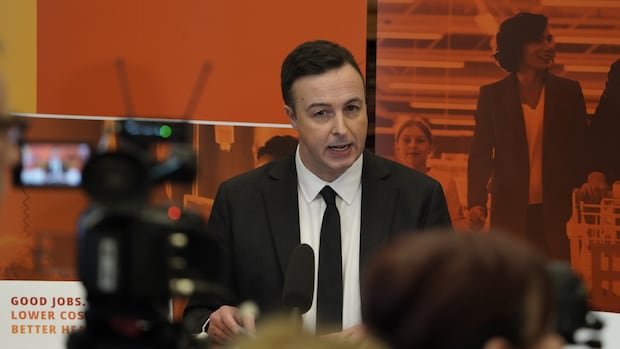
“Good jobs, lower costs and better health [care] are what this budget is all about,” Finance Minister Adrien Sala told reporters.
“As I look around the country, I see governments that are choosing to make cuts…. Here in Manitoba, we made different choices. We chose to make investments in health care.”
The third budget from Premier Wab Kinew’s government projects a deficit of $498 million — roughly $1.2 billion less than the 2025-26 deficit expected at the end of this month.
That comes after recent budgets in other provinces forecast much higher deficits, including an $819-million deficit projection in neighbouring Saskatchewan and multibillion-dollar deficits in both Alberta and British Columbia.
The Manitoba NDP government expects total spending to rise to $27.3 billion, up $1.4 billion, or roughly 5.4 per cent, from 2025-26.
That increase is possible partly due to equalization payments from Ottawa that have risen sharply for more than a decade. Next year’s federal payment is expected to be about 70 per cent more than Manitoba received five years ago, rising to about $5 billion.
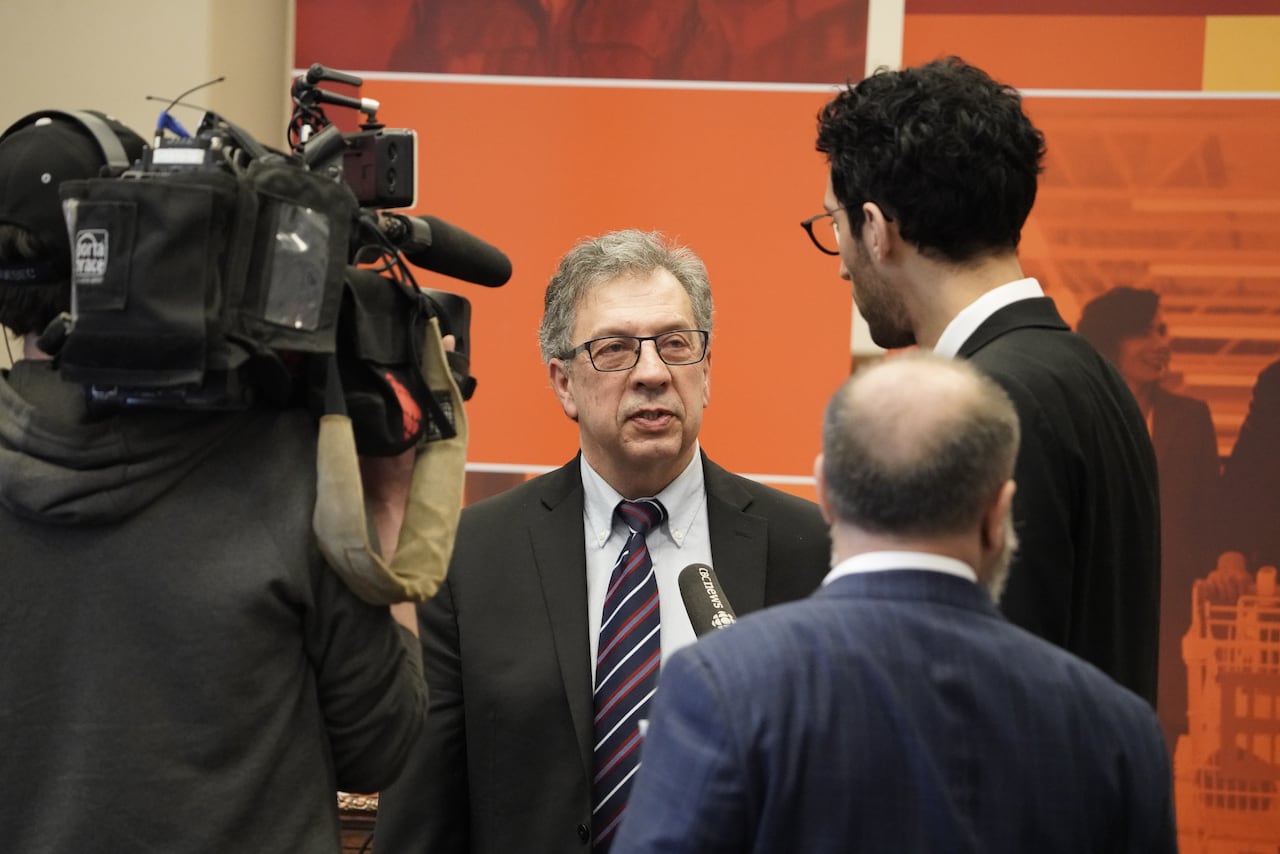 Relying on federal transfer payments means ‘you don’t have to think that seriously about economic growth issues,’ says University of Winnipeg economics professor Philippe Cyrenne. (Bryce Hoye/CBC)
“If you depend on transfer, you don’t have to think that seriously about economic growth issues,” said University of Winnipeg economics professor Philippe Cyrenne.
“The transfer kind of gives you that room to spend more on health care and education, rather than think about development strategies.”
Progressive Conservative Leader Obby Khan called the NDP’s deficit projections “very rosy.” The Opposition leader suggested the budget overall doesn’t adequately address a need to grow Manitoba’s economy to pay for services.
“Instead, it relies almost solely on transfers from the federal government,” Khan said. “That is a major concern for all…. We will continue to be a have-not province under this NDP government.”
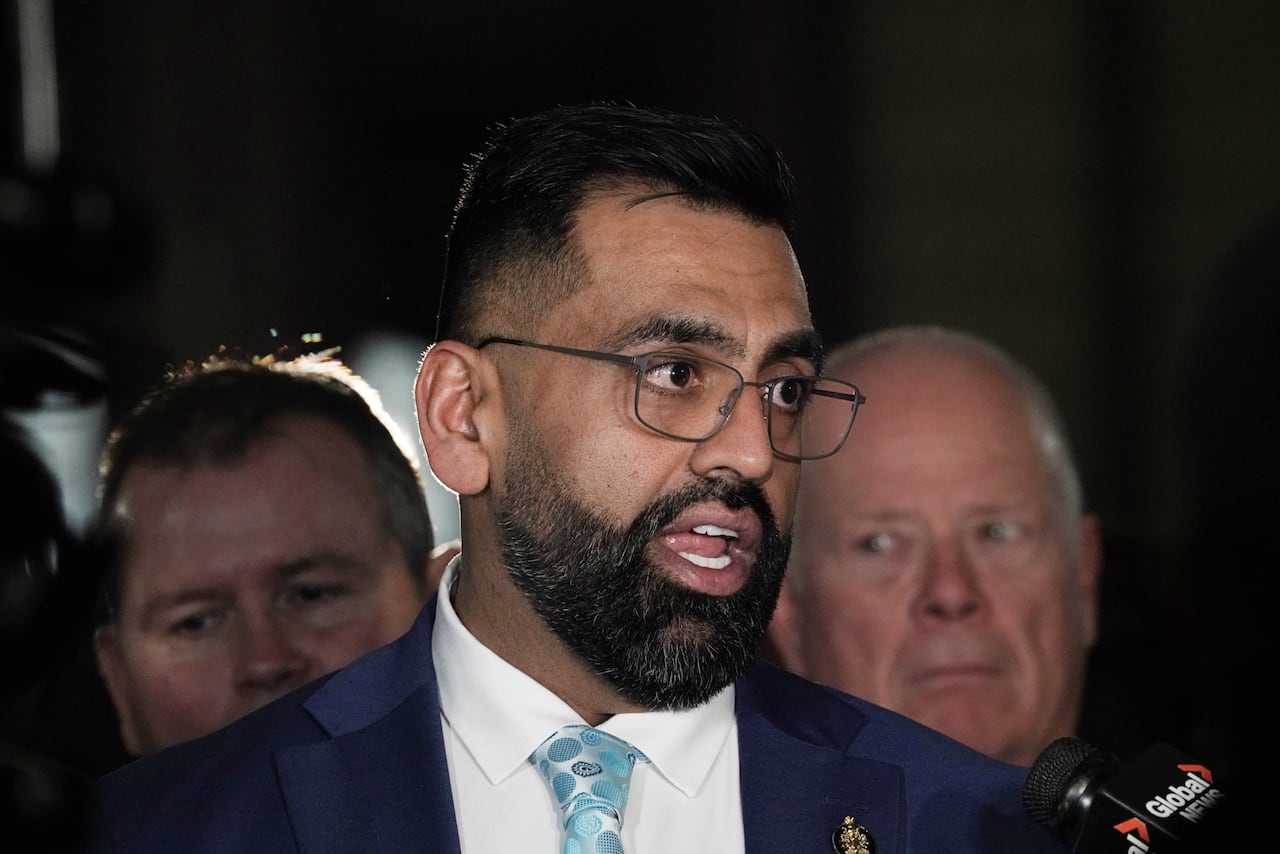 Official Opposition leader Obby Khan questioned how the NDP will reduce the government deficit to just under $500 million by the end of this fiscal year. (Bryce Hoye/CBC)
In keeping with two of the top planks the NDP was elected on in 2023, the party is committing to spend more on health care and address affordability.
One affordability measure is the elimination of the provincial sales tax on all food at the grocery stores. That will mean as of July 1, Manitobans won’t pay PST on hot-and-ready foods, like samosas and rotisserie chicken, or packaged foods like soda, candy, potato chips and more.
That change will cost $32 million annually, according to budget documents.
Non-food grocery items like toilet paper and toothpaste will still be taxed, as will pet food.
Basic grocery items, such as fresh fruits and vegetables, canned soups and most frozen food, are already exempt.
Sala said the the grocery PST cut builds on other steps the NDP has taken to address grocery costs, including freezing the price of a one-litre jug of milk, announcing a study to find ways to reduce grocery costs, and recently introduced legislation to address predatory or differential pricing.
WATCH | Questions for Finance Minister Adrien Sala:
Manitoba finance minister touts 2026-27 budget
Finance Minister Adrien Sala fields questions from CBC’s Bartley Kives after delivering the NDP government’s spending plan for the 2026-27 fiscal year.
The Retail Council of Canada supports removing the tax on grocery store food items.
“We know the government’s been looking at a number of strategies to address food affordability, as have grocery stores, and this is one that’s real tangible and will help Manitobans,” said John Graham, the Prairie region director of government relations with the council.
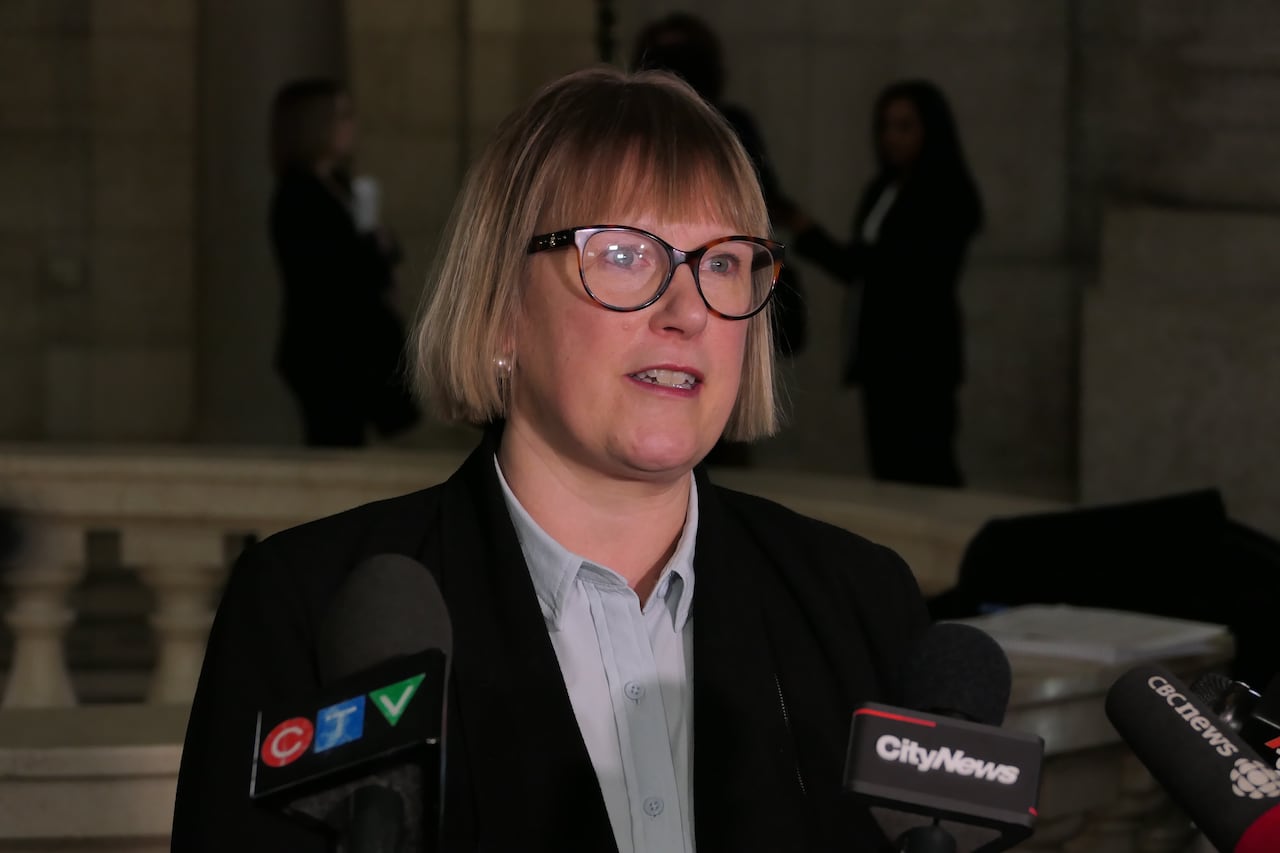 Molly McCracken, the Manitoba director of the Canadian Centre for Policy Alternatives, says boosting income assistance for those who need it most would have been better than a PST cut on grocery items. (Jeff Stapleton/CBC)
Molly McCracken, the Manitoba director of the Canadian Centre for Policy Alternatives, said the money would’ve been better spent boosting income assistance for those who need it most, instead of handing out a grocery break to everyone.
“Upper-income folks don’t need that break on their PST on consumable groceries,” said McCracken.
ER changes, free child care for some
The NDP’s spending plan promises steps to ease congestion in hospital emergency departments afflicted by long waits.
The government will create new zones, adjacent to ERs, where patients who would currently be in waiting rooms will be seen by specialists.
The province will start with a cardiac care zone at St. Boniface Hospital, and mental health zones at Health Sciences Centre and St. Boniface.
The government is also vowing $22.1 million to expand cardiac care services at St. Boniface Hospital.
As well, the budget commits to making child care free for low-income families “who need the most help.”
An existing subsidy for low-income families provides $2-a-day daycare to 5,000 children, the province said. Sala said the new measure will “wipe away those costs.” Providing free care to those 5,000 children will cost $3.5 million annually, a provincial spokesperson said.
Homeowner tax credit up
The government is aiming to blunt some of the public criticism around rising school taxes by increasing the homeowners’ affordability tax credit to $1,700 a year from $1,600, starting in 2027.
However, homes with an assessed value over $1 million will receive a reduced credit starting the same year. That amount will be cut at a rate of $3.40 per $1,000 in assessed value. Homes valued at $1.5 million or more will no longer receive a credit.
About 1,700 homes fall within the $1 million to $1.5 million range, while roughly 350 are valued above that ceiling, a provincial official said.
The Manitoba Real Estate Association says the $100 bump to the homeowners’ rebate is a positive step forward.
“We’re happy to see the government making things more affordable for Manitoba homeowners,” said Stewart Elston, president of the association.
For renters, the province will boost the tax credit to $675, up from $625, as part of the NDP’s four-year effort to restore the credit to $700, which was cut by the former Progressive Conservative government.
The budget also forecasts $20 million in new tax revenue from changes to the land transfer tax. The changes will prevent people from avoiding the tax by using legal structures that separate the legal and beneficial ownership of a property, the budget says. It promises future legislation to make that happen.
Other affordability measures
Other affordability measures include a continuation of the rebate program for people buying electric vehicles, which was set to expire in March, and removing the tax on prenatal vitamins as of July.
The province is still evaluating whether to extend price controls to milk beyond one-litre containers, the budget says.
 Manitoba’s latest budget includes a promise of free transit for children and youth. (Jeff Stapleton/CBC)
As well, the budget promises free transit for children and youth at a cost of $10 million. The pledge offers few other specific details, saying the province “will work with the City of Winnipeg and other municipalities” to roll out the new program.
The budget also commits to hiring 19 more wildfire fighters, boosting staff with the emergency management office and upgrading fire mapping abilities. It adds that government is planning to build a new “initial attack and fire base” in the Thompson, but offers no specifics on that.
Sala called last wildfire season, the worst in three decades, an “anomaly.” Federal drought forecasts at the end of February predicted much of northern and eastern Manitoba’s forested areas may experience a mix of moderate to “abnormally dry” conditions.
“We’re working to ensure that Manitobans are protected,” the finance minister said.
WATCH | Manitoba’s 2026-27 budget unveiled:
Budget relies on increased revenue to fund affordability perks
Manitoba is bucking a national trend by promising to slash its deficit, while boosting health care spending by nearly $1 billion and delivering modest affordability measures, including a PST cut that will save you money next time you buy a soda and bag of chips.