
Fact checked by Nick Blackmer
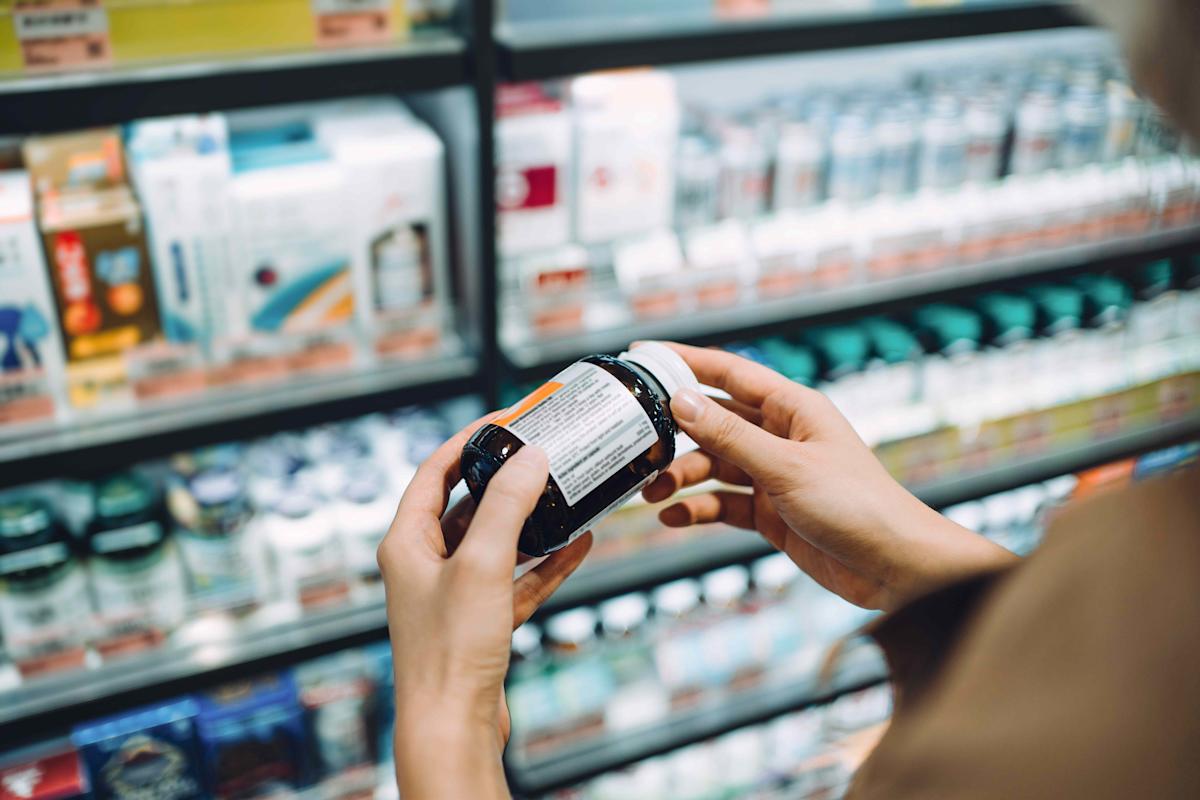
Supplements don’t need FDA approval before they hit shelves.
Credit: d3sign / Getty Images
Supplement companies aren’t required to prove their products are safe or effective before they go to market.
That makes it important for consumers to do their own research when choosing a supplement.
Looking for third-party testing seals and opting for single-ingredient products are among the ways to shop more safely.
If you’re like most Americans, you probably take a supplement. Seventy-four percent of adults report taking a vitamin, mineral, herb, or botanical—fueling a $69 billion market in 2025.
Yet unlike medications, supplements don’t need pre-approval from the Food and Drug Administration before hitting store shelves, meaning manufacturers aren’t required to prove their products are safe, effective, or even contain what the label claims ahead of time. (The FDA can remove products from the market, however, but it bears the burden of proving they’re unsafe).
“This creates a marketplace where companies are selling whatever they want to,” Pieter Cohen, MD, an internist and leader of the Cambridge Health Alliance Supplement Research Program, told Health. “Unless you take steps to protect yourself, you have no idea what you’re putting in your body when you take supplements.”
Fortunately, there are ways to shop smarter. Here are four of them.
1. Look for Third-Party Certification
One way to know a supplement is safe and contains what’s on the label is if it has been tested and certified by an independent third party, Cohen said.
However, not all safety seals are created equal, Rick Kingston, PharmD, a clinical professor in the Division of Professional Education, College of Pharmacy at the University of Minnesota, told Health.
Both experts recommend looking for supplements with seals from USP or NSF, organizations with reputations for transparent, robust testing methods. These seals indicate the supplement has undergone testing of its ingredients, manufacturing processes, and samples to ensure quality standards are met.
Cohen also advised looking out for “deceptive stamps” that use acronyms similar to—but slightly different from—USP or NSF in an attempt to fool consumers.
2. Be Cautious of Label Claims
Dietary supplements are designed to do what their name suggests: supplement the diet. The FDA doesn’t allow companies to make claims that their products can prevent, cure, or treat a disease. If a supplement makes such a claim, avoid it, Cohen advised.
However, dietary supplements are permitted to state how they affect the body’s structure or function—known as “structure/function claims”—such as “helps build healthy bones,” if there’s scientific evidence to support it. The claim must be followed by the disclaimer: “This statement has not been evaluated by the Food and Drug Administration. This product is not intended to diagnose, treat, cure, or prevent any disease.”
Any company making a structure/function claim is required to share the scientific evidence on its website, so be sure to look for it before simply trusting what’s on the label, Kingston suggested.
3. Choose Single-Ingredient Supplements
One way to minimize the risk of your supplement containing a hidden ingredient is to choose products with only one active ingredient, such as a specific vitamin, said Cohen, who has worked on studies that found unapproved stimulants lurking in supplements.
While taking a multivitamin or vitamin D with calcium is typically fine (as long as you talk to your healthcare provider first), Cohen recommends avoiding supplements with combined ingredients labeled as performing functions like improving memory or sleep.
“More things mixed in equals less evidence and makes it more likely unapproved ingredients are hiding in the supplement,” Cohen said. “It’s hard to know if one ingredient will work; it’s impossible to know if 10 together will work.”
4. Do Your Research
Before you take a supplement, take time to do your research, Cohen advised. He recommends starting with the FDA Adverse Event Monitoring System, a public database for reports of serious health events tied to FDA-regulated products, to see whether there are any reports on the supplements you’re considering.
Other resources include:
Be Sure to Consult a Doctor Beforehand
In addition to taking steps to seek out a high-quality supplement, experts also recommend talking to a a healthcare provider or pharmacist before taking any supplement. Some supplements can affect how prescription drugs work or may be unsafe for people with certain health conditions.
“A number of safe supplements like St. John’s Wort can impact how mainstream pharmaceuticals work,” Kingston said. Talking to a healthcare professional first can help you “make sure you get the intended benefits without any unintended consequences.”
Read the original article on Health