
What to know
A Vogue Business report found that only 0.3 per cent of models at 182 luxury fashion week shows were plus-size, a decline tied to factors like Ozempic, rising conservatism, and self-optimization trends.
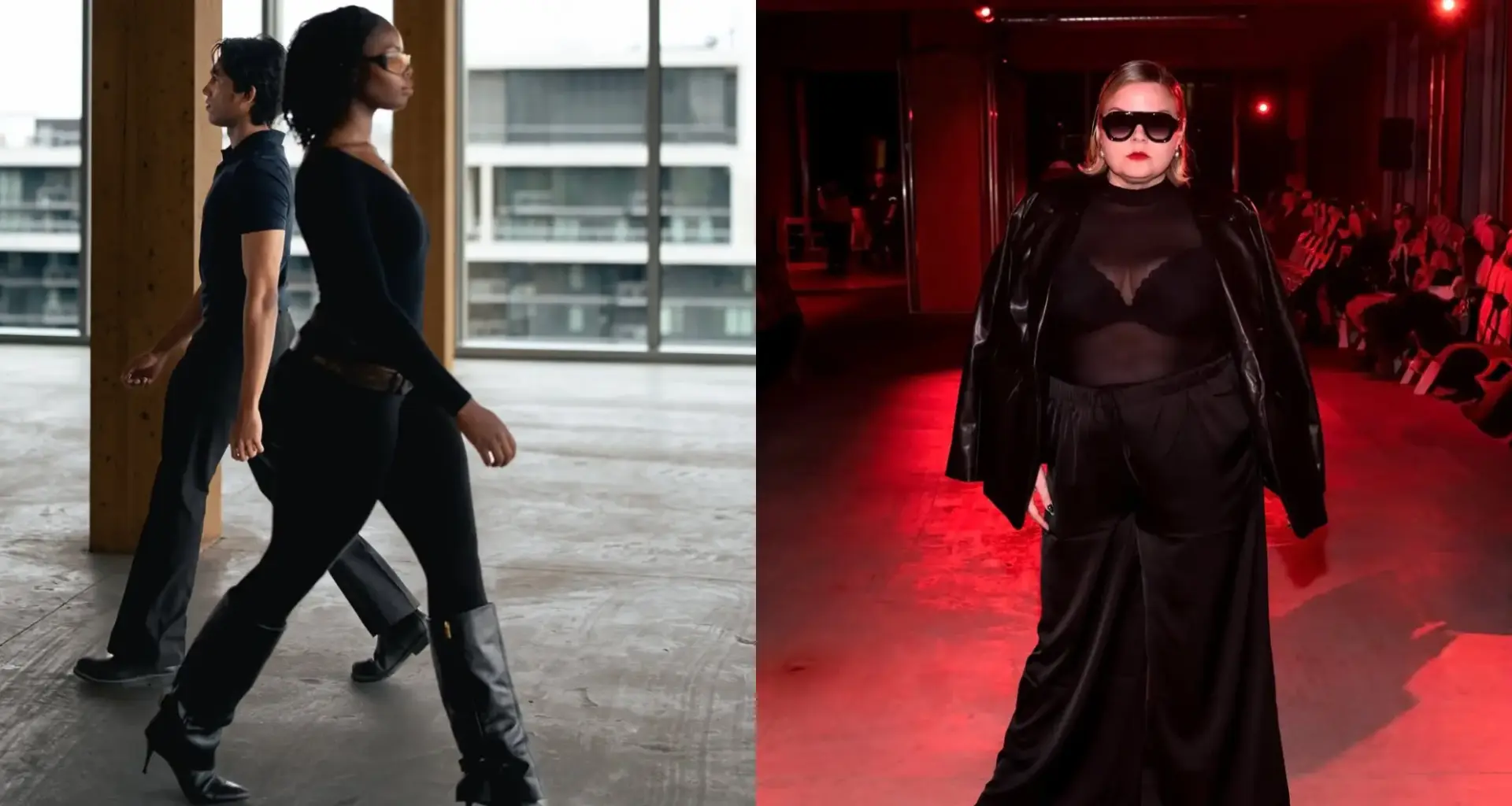
Fashion Art Toronto is taking a different approach: runway director Liam Colbourne says selection is based on a model’s stage presence, confidence, and ability to connect with the audience, rather than body size. Out of 800 people who auditioned, about 250 were chosen. Around 15 per cent of those selected are plus-size, reflecting the show’s focus on representation across body types.
FAT is extending its inclusive casting philosophy internationally through the new “Bridge to Berlin” initiative, aiming to influence designers at global fashion weeks.
Do you have a model “presence”? As the fashion industry still fights for plus-sized representation, here’s how Fashion Art Toronto says it’s making strides to champion diversity.
Vogue Business conducted a report showing an overall decline in representation across major luxury labels during FW26. Over the span of three years and 182 shows, only 0.3 per cent were plus-size.
This decline in plus-size representation is linked to factors like Ozempic, conservatism, and self-optimization trends, according to the report.
Ahead of Fashion Week Spring Summer 2026 (FW SS/26), taking place May 25-31, Fashion Art Toronto shared with Now Toronto details about their casting process and focus on diversity.
FAT’s Runway Director, Liam Colbourne, says this was the first in-person casting since the pandemic, attracting a diverse group.
He highlighted that modelling goes beyond appearance. “It’s really about presence,” he said.
He tells the judges the criteria they should use to select the next model (and they’re not related to body weight.)
Can you see this model walking on the runway?
Do you see them owning [the walk]?
Do you see them in a garment?
According to Colbourne, “The whole purpose of a model is to command the attention of the room and bring focus to the garments.”
He shares that FAT’s average model size goes around the lower plus-size level, and the rest sit right below plus-size. Most models have an average hip size of 41, which is much more inclusive than other fashion weeks, and around 15 per cent of the models are considered plus-sized.
This season welcomes 250 models. At the casting call, he saw 800 models, of whom 50 to 60 were plus-size, and about one-third were selected, though he says the statistics are not finalized. For plus-size models, he saw about 18 to 19 people, and on the lower end of plus-size, he saw upwards of 50 people. He specifies there’s actually only 60 models in that zero “sample size” who showed up.
So what’s considered plus-size? Colbourne shares that, in the modelling industry, plus-size refers to anyone in the size eight to 18 range, while models size 20 and up are considered plus plus-size.
As the runway director of Fashion Art Toronto, he firmly believes in showcasing models who are representative of the community. “People want to see themselves on the runway.”
When encouraging diversity on the runway, Colbourne shares that he hasn’t received much pushback. He explained that some designers produce at a smaller sample size, and certain agencies want to maintain “international standard,” but it’s nearly under three per cent of designers who want to keep those “old guard standards.”
There is no policy enforcing artificial body positivity at FAT, as Colbourne explains the organization’s strong track record in representation.
Touching on Vogue Business’s report, Colbourne discusses the online hot topic that people who are plus-size are unhealthy. “There’s this really negative mindset about models who are plus-sized and that they’re not healthy. And I think that this stigma is creating a lot of problems for the industry… and now there’s this kind of resurgence in America of going back to that “model size” and it’s a very toxic mindset.”
Read More
Fashion Art Toronto leads by example and is bringing its inclusive mindset to an international level with Bridge to Berlin.
“We’re going to carry that mindset and those kinds of successes that we’ve had, and share that with designers internationally as we kind of spread out and go to the different fashion weeks around the world,” Colbourne said. ‘There’s no losing in having diversity,” he added.