
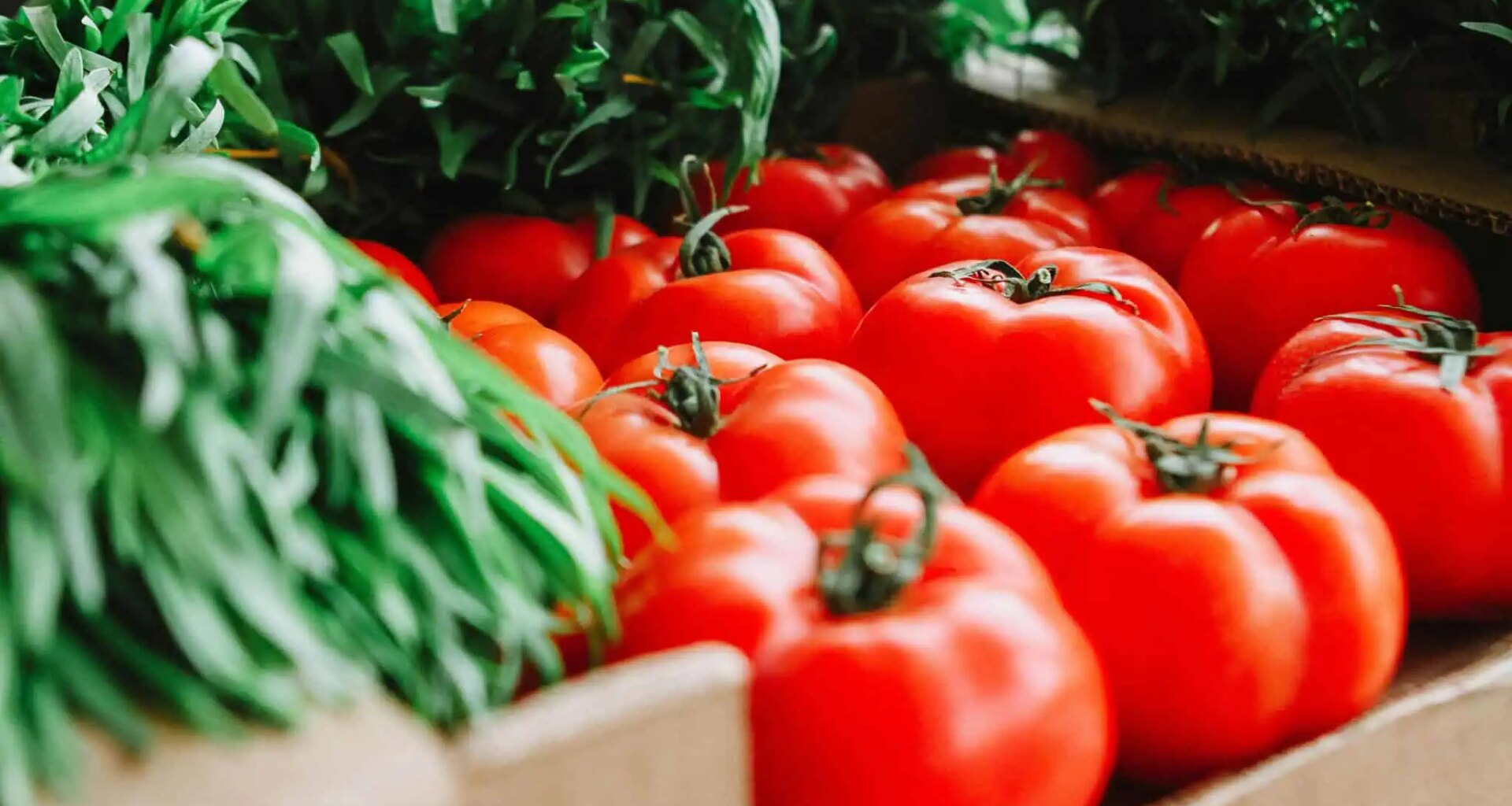
A plan to build four new grocery stores in Toronto, which would be operated by the city and designed with affordability in mind, has been approved by Toronto city council.
Proposed by Councillor Anthony Perruzza, a majority of councillors voted in favour of the motion on Thursday.
The pilot project would require one grocery store located within each of the city’s Community Council districts, with priority given to neighbourhoods with lower average household incomes and limited access to full-service grocery stores.
The stated goal would be to create a not-for-profit model that provides residents with the most affordable food pricing possible – to that end, these municipal stores would have financial supports to reduce operating costs, including potential waivers of property taxes, development charges, and other applicable fees.
“People are having trouble making ends meet,” said Councillor Perruzza, who believes the project would help Toronto residents who are struggling to afford food by giving them an option besides traditional private-run grocery stores.
The motion was approved with an addendum to also explore broader food security and affordability measures in Toronto.


These potential measures would include preventing price gouging by grocery stores and other retailers, ensuring retailers licensed by the city are transparent about rates and prices, and working with the provincial and federal government to strengthen grocery store competition and improve choices for residents.
A report detailing the strategy for establishing four city-operated grocery stores is expected to go back to City Council in the second quarter of 2027.
Grocery prices haven’t just been rising in Toronto — recent reports indicate a Canada-wide trend of food prices going up, even as inflation holds steady.
According to a December 2025 report from Statistics Canada, prices were up 4.7 per cent year-over-year in November, marking a jump from 3.4 per cent in October and the highest level recorded since December 2023.
Rising prices for fresh berries were driving the acceleration in November, StatCan said, and costs were also rising in a broad category that includes prepared foods like soup and potato chips.
Prices for fresh or frozen beef were up 17.7 per cent in November amid lower cattle inventories across North America. Meanwhile, tariffs from the United States, combined with tough weather conditions, are putting strain on coffee-producing regions, driving the cost of refined coffee up 27.8 per cent annually.
In an effort to reduce the financial impact for Canadians, the federal government in 2024 waived sales tax on a variety of grocery items, common gifts and household goods for two months starting in the middle of December.
With files from The Canadian Press
INsauga’s Editorial Standards and Policies
Last 30 Days: 36,022 Votes
All Time: 1,270,951 Votes
96 VOTES
Do you think capping resale prices for concert and sports event tickets will stop scammers?
WIN A $100 GIFT CARD
Subscribe to INsauga’s daily email newsletter for a chance to win a $100 Amazon gift card.