
Advocates hope the Future of Sport in Canada Commission’s final report will help Canadians view sport in a new light.
For too long, the focus has been on medals and results at the national and Olympic level, according to sport advocate Amelia Cline.
“What we’re not focused on is sport throughout someone’s life, even when they’re not competing at the upper echelons of the sport system,” Cline told CTV News this week.
The Future of Sport in Canada Commission’s final report, released Tuesday, found the country’s sport system is broken and unsustainable, noting that serious failures have occurred in all sport from grassroots, all the way to the Olympic level.
“For far too many Canadians, especially young athletes, sport has been an environment marked by abuse and insecurity, where they have not been adequately protected and where no one has been held accountable,” the 950-page report stated.
Cline, who is managing director of advocacy group Athletes Empowered, says the report validates experiences that athletes have faced for decades.
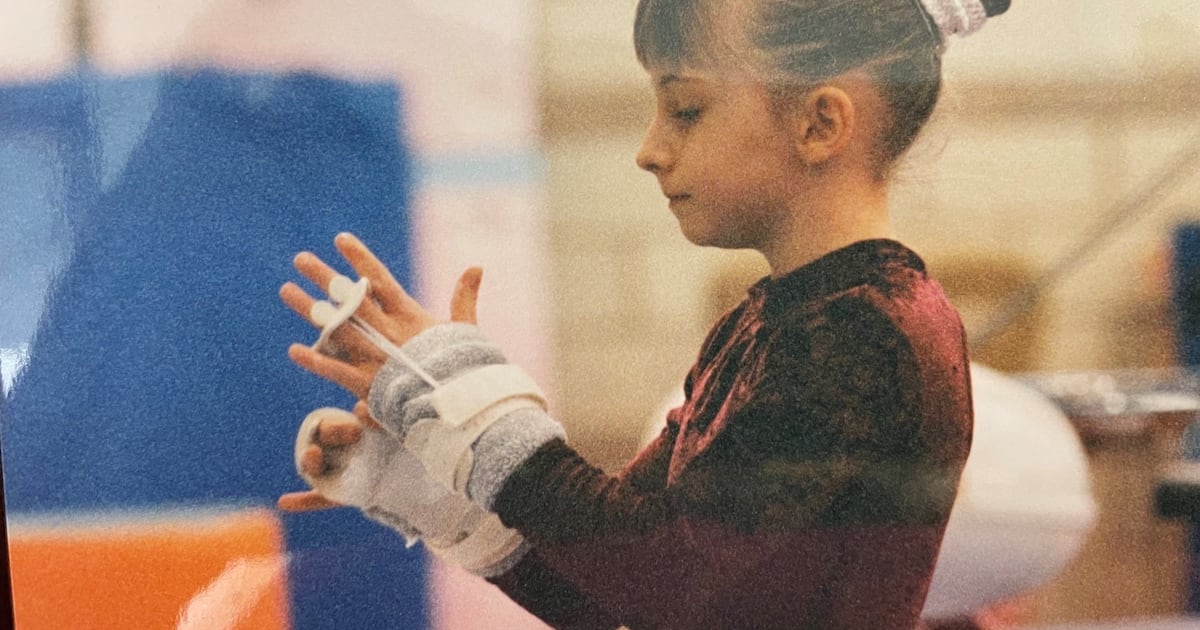
Cline, 36, was an elite gymnast in her youth.
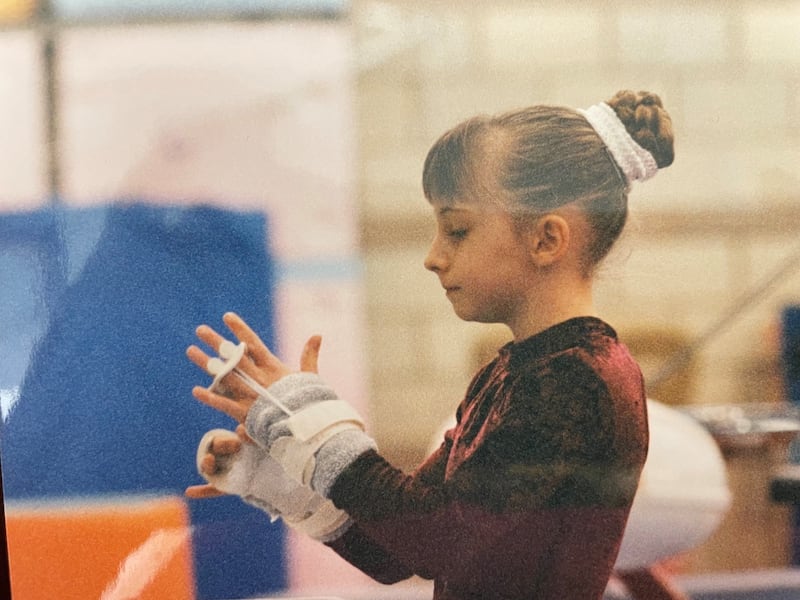 Amelia Cline quit gymnastics at the age of 14. (Courtesy: Amelia Cline) Amelia Cline quit gymnastics at the age of 14. (Courtesy: Amelia Cline)
She says she loved the sport but in the last three years of her career she trained under coaches “who were very psychologically and physically abusive.”
Cline said the “winning-at-all-costs mentality,” and the abuse she endured ultimately pushed her out of the sport at the age of 14.
“I realized I was going to either end up catastrophically injured because of the unsafe training environment or just debilitated by an eating disorder, or other mental health concerns as a result of the abuse that I was suffering, so I walked away,” she said.
Among the 98 calls to action laid out in the report, the commission urges an overhaul of Canadian sport to create safe, inclusive and fun environments. It also calls for a centralized sport entity that would operate as a crown corporation.
“It won’t be easy because it involves a lot of structural change and legislation and a different way of doing sport,” said Carla Qualtrough, the former federal sports minister. “But I think if we do it right, it will result in a better governance and more safe and more aligned system.”
Keeping kids in the game
The commission also calls for an immediate increase in funding to national sports organizations. Cline hopes that doesn’t overshadow the rest of the findings.
“Our focus should be on grassroots and making sure that at the community level sport is safe, so that people are loving sport throughout their entire lives,” she said.
Cline says the positive impacts of sport, including health and movement, are often lost when the focus is solely on winning, noting there is value in sport even if athletes aren’t competing at the highest level.
Saskatoon Minor Hockey has a similar mindset. The organization says it measures the success of a season based on how many players return to the sport the following year.
A large part of U11 coach Travis Kraushar’s job is working on individual development, behaviours and habits. But at the end of the day, he wants to see players stick with hockey and work their way up through the age groups.
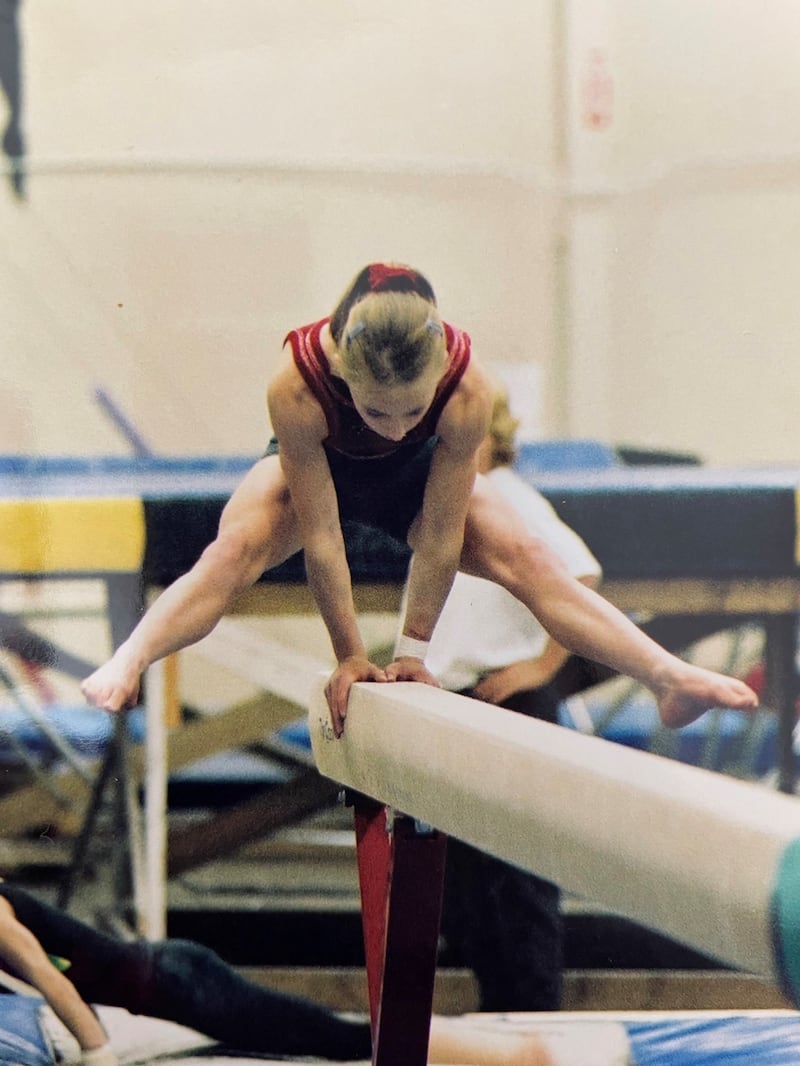 Amelia Cline quit gymnastics at the age of 14. (Courtesy: Amelia Cline) Amelia Cline quit gymnastics at the age of 14. (Courtesy: Amelia Cline)
“You’re not going to make any NHLer at this level, but you can only prevent them (future NHLers) by not having the kid love the sport and want to come back the next year,” he said.
Kraushar acknowledged there can be challenges in sport when it comes to fostering a safe and inclusive environment. But he believes there are environments that exist “where the kids flourish and they’re comfortable enough, confident and believe in themselves.”
The coach of 14 years still remembers the positive impact his coaches made on him when he was younger, and he hopes to make sports just as memorable for his players.
“I tell the kids ‘a couple weeks after the game you don’t remember the score. A year from now, you don’t remember the wins and losses, but the lessons and the habits and the fun you have along the way stick with you,’” he said.