
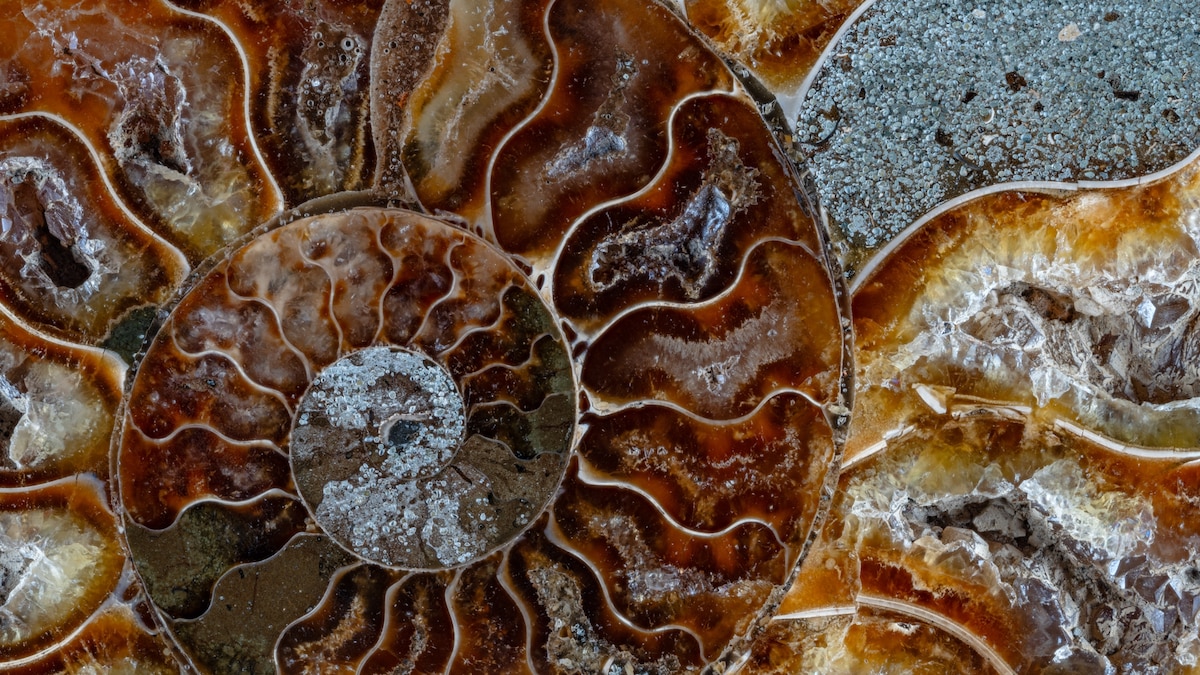
The seashore is also where Jon McCormack developed a new appreciation for nature’s patterns and their hidden meanings. A renowned photographer, conservationist, and vice president of camera and photo software at Apple, McCormack and his wife moved to California during the early years of the COVID-19 pandemic, seeking solace and shelter. Every evening, he visited Asilomar State Beach, camera in tow, where he was drawn to nature’s “quiet harmonies,” as he calls them. “The thing that really struck me as fascinating were these little moments in time where you have a combination of tide, light, and rock that creates these transient patterns,” he says. “That was far more interesting than the rest of the grandeur of the beach. I’ve always been very interested in the environment. This moved me to be a photographer primarily interested in the pattern and structure of the natural world.”
Looking through his archives, he discovered that nature’s patterns had guided his compositions for years, even if he hadn’t fully realized it. Now, he wanted to photograph them deliberately and explore the parallels between them. Sometimes that meant visiting a neighbor’s backyard to examine the petals of a hibiscus in bloom or learning how to photograph miniscule, jewel-like plankton through a microscope. Other times he ventured as far as the Arctic archipelago of Svalbard to capture the ethereal beauty of ice caves. The result is a new book, Patterns: Art of the Natural World, which showcases intriguing forms at every scale, from microorganisms to mountain ranges. Punctuating the gallery of gorgeous images are several short meditative essays by esteemed thinkers and writers, including biologist David George Haskell, and National Geographic Explorers Wade Davis and Sylvia Earle.