

Listen to this article
Estimated 4 minutes
The audio version of this article is generated by AI-based technology. Mispronunciations can occur. We are working with our partners to continually review and improve the results.
The Toronto Transit Commission is dealing with a triple threat of existential issues: compared to 2019, fewer people are riding the system, it’s earning less revenue and its costs are significantly higher.
According to the TTC’s 2026-28 ridership growth strategy, the number of riders hovers around 82 per cent of 2019 levels. Meanwhile, revenue has dipped to 92 per cent and operating costs have gone up to 137 per cent of where they were before the COVID-19 pandemic.
The numbers were included in a report to the TTC’s strategic planning committee Tuesday, where members of the TTC board heard about efforts to fix lagging ridership.
Solutions to getting more riders on the felt red seats come with a central tension, however: the committee also heard early projections which show the transit service could be facing a budget shortfall of half a billion dollars in 2027.
Crafting the TTC’s 2026 budget began with a shortfall of about half that size, but it was eventually balanced with the help of a $1.4 billion subsidy from the city.
“Growing our ridership grows our costs, it’s that simple of a relationship,” Josh Colle, the TTC’s chief strategy and customer experience officer, said during the meeting. If the TTC were to get back to 2019 ridership levels, its operating costs would go up 6.5 per cent annually, Colle said.
“We offer a public service that has a cost.”
WATCH | How time is catching up to the streetcar — and slowing it down: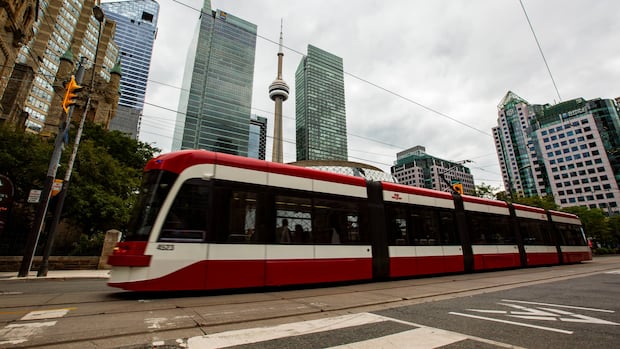
How time is catching up to the streetcar — and slowing it down
An icon of transportation history in Toronto, the city’s streetcar system is now struggling to balance reliability with the necessary upkeep of its aging infrastructure.
Because the TTC’s operations are only partly covered by fares, several initiatives in the ridership growth strategy would require more spending. Getting the transit agency on more stable financial footing is a separate problem that will require another solution.
The TTC has long been advocating for sustainable funding for its operations from either the provincial or federal government.
When it comes to growing ridership over the next two years, TTC staff told the board they are undertaking or exploring a variety of ideas to achieve the high-level goals of making the TTC fast, safe, seamless and affordable.
“A transit trip, it’s not a single moment, it’s a chain of experiences,” Stephanie Simard, manager of transit systems planning, said during the meeting. “Customers judge the system based on the weakest link in their journey.”
In the long term, the plan proposes service improvements, like streetcars that arrive every six minutes, which would cost tens of millions of dollars and be part of budgets that won’t be finalized for two years.
More short-term measures include speeding up routes with often-discussed transit signal priority, bringing down costs through fare capping and improving wayfinding in stations.
There are also ideas that may seem less obvious, like using artificial intelligence to monitor behaviour on platforms and predict if someone might be about to hurt themselves on the tracks — a tragic cause of delays on the system.
In Colle’s perspective, those ideas need to be underpinned by a TTC that rewards people for leaving their cars at home.
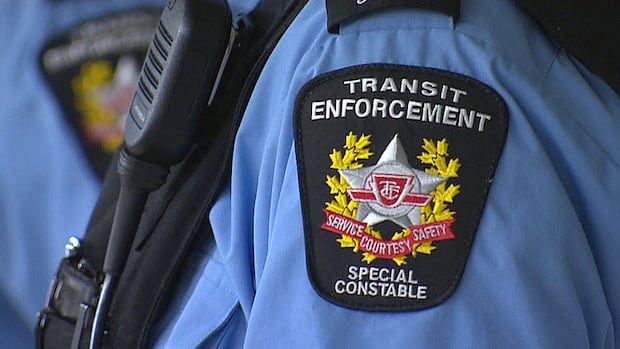
TTC special constables could be given powers to arrest drug users
Proposed new legislation being considered by Ontario would allow special constables working on transit to direct people to stop using illegal drugs in a public space, as well as arrest and charge people who don’t and take the illicit substances.
Committee members differ on ridership growth spending
“Our basics have to be there,” he said. “If you’re stuck in traffic on the bus, you’re not likely to ride transit again.”
These tensions are at the heart of the issue for routes that share the road with cars. On Jane Street, bus trips during the afternoon rush hour were 13 minutes slower from 2019 to 2024, according to Tuesday’s staff presentation.
If the TTC wants to maintain the frequency of buses as they get slower, it would mean adding more vehicles to the route, at a cost of nearly $2 million per year.