
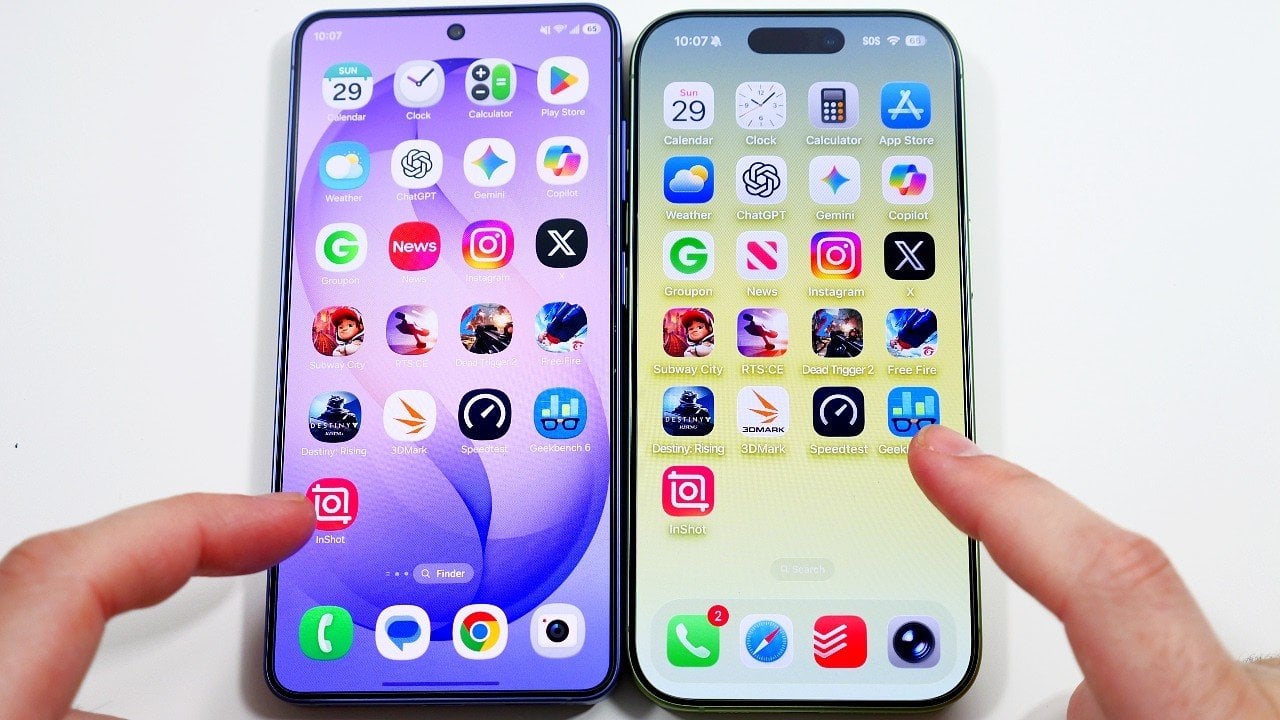
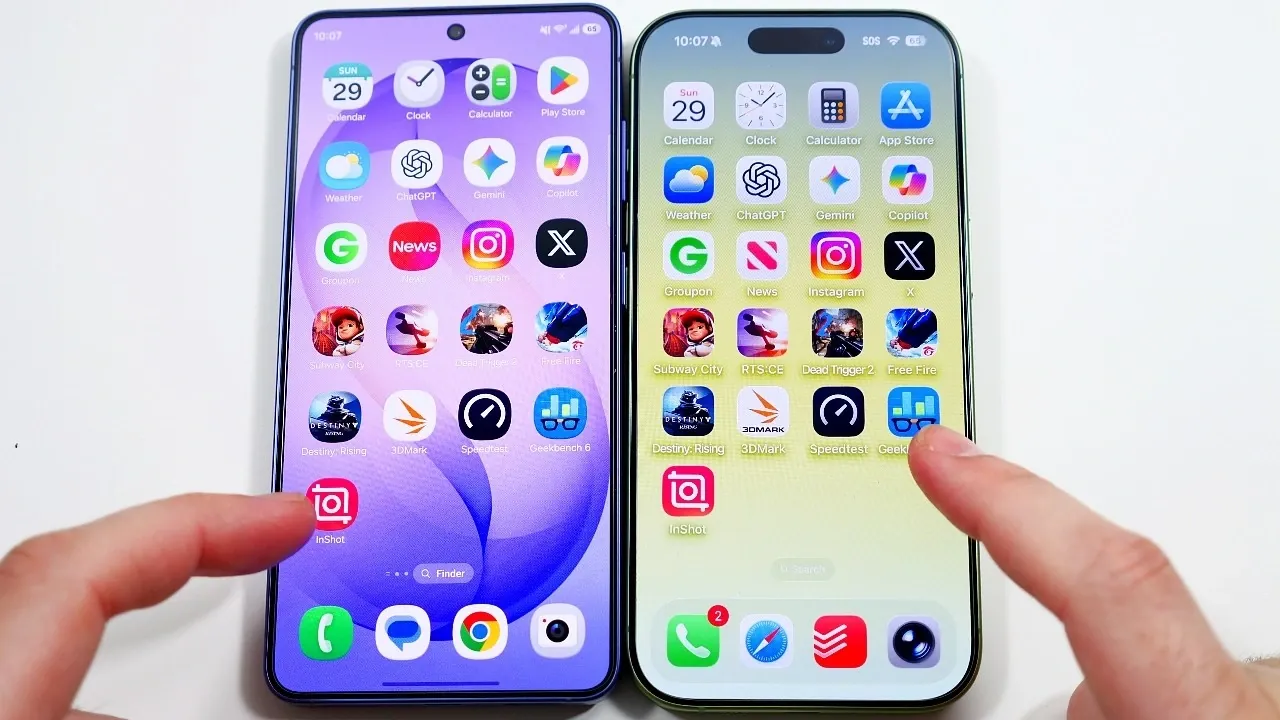
When selecting a smartphone, speed is a critical factor that directly impacts your daily interactions with the device. In a direct comparison, the Galaxy S26 emerges as the faster option, excelling in areas such as boot-up times, multitasking, and app performance. However, the iPhone 17 counters with superior thermal management and a smoother visual experience, offering a balanced alternative. The choice between these two flagship devices ultimately depends on your specific needs and priorities. The video below from, Nick Ackerman compares the two handsets side by side.
Boot-Up Speed: Setting the Pace
The Galaxy S26 leads the way with its impressive boot-up speed, powering on in under 15 seconds. This is made possible by its advanced chipset and the optimized One UI 8.5, which prioritizes efficiency. In comparison, the iPhone 17 takes approximately 20 seconds to boot, reflecting Apple’s focus on system stability and polish. While the time difference may seem minimal, the Galaxy S26’s faster start-up can be a noticeable advantage for users who frequently power their devices on and off.
Multitasking: Powering Through Multiple Apps
For users who rely on multitasking, the Galaxy S26’s 12GB of RAM provides a significant edge over the iPhone 17’s 8GB. This additional memory allows the Galaxy S26 to seamlessly handle multiple apps running simultaneously, whether you’re switching between a video call, gaming, or browsing the web. The iPhone 17, while optimized for efficiency, occasionally reloads apps under heavy multitasking conditions. This difference highlights the Galaxy S26’s focus on raw power, making it a better choice for users who demand high performance in multitasking scenarios.
Unlocking Methods: Speed Meets Reliability
Unlocking your smartphone is a frequent interaction and the Galaxy S26 excels in speed and responsiveness. Its fingerprint sensor and face unlock features are faster than the iPhone 17’s Face ID. However, the iPhone 17 compensates with greater consistency, particularly in challenging conditions such as low light. Face ID remains reliable even when the environment is less than ideal, making it a dependable choice for users who prioritize accuracy over speed.
Operating System: Efficiency vs. Elegance
The Galaxy S26’s One UI 8.5 emphasizes speed and efficiency, with minimal animations and quick transitions that make everyday tasks feel faster. On the other hand, the iPhone 17’s iOS focuses on delivering a polished and visually cohesive experience. While this approach enhances the overall aesthetic, it can occasionally feel slower in direct comparisons. Choosing between these operating systems depends on whether you value raw speed or a refined interface.
App and Gaming Performance: Performance vs. Comfort
In app performance tests, the Galaxy S26 consistently outpaces the iPhone 17, particularly with resource-intensive applications. Benchmarks such as Geekbench and 3D Mark highlight the Galaxy S26’s superior multi-core performance, making it a powerhouse for demanding tasks. Gaming performance, however, presents a more nuanced comparison. The Galaxy S26 delivers higher frame rates in graphically intensive games but tends to run warmer during extended sessions. The iPhone 17, while slightly slower, maintains cooler temperatures by throttling performance, offering a more comfortable experience for prolonged gaming.
Thermal Management: Staying Cool Under Pressure
Thermal management is an area where the iPhone 17 excels. During intensive tasks like gaming or video editing, it remains noticeably cooler to the touch, thanks to its efficient heat dissipation system. The Galaxy S26, while faster, tends to generate more heat under similar conditions. This trade-off highlights the Galaxy S26’s focus on peak performance, whereas the iPhone 17 prioritizes user comfort during extended use.
Network Performance: A Tight Race
Both devices support the latest 5G and Wi-Fi standards, ensuring excellent connectivity. In real-world tests, the Galaxy S26 demonstrates a slight edge in 5G performance, particularly when transitioning between network zones. Wi-Fi speeds are nearly identical on both devices, providing reliable and consistent connections regardless of your choice.
Camera Speed: Precision vs. Spontaneity
When it comes to camera performance, the iPhone 17 takes the lead in speed and responsiveness. It opens the camera app faster and processes images more quickly, making it ideal for capturing spontaneous moments. The Galaxy S26, however, offers sharper image previews and faster focus adjustments, catering to users who prioritize precision and detail in their photography.
Making the Right Choice
The Galaxy S26 stands out as the faster device overall, excelling in boot-up times, multitasking and app performance. Its emphasis on speed and efficiency makes it an excellent choice for power users who demand high performance. Meanwhile, the iPhone 17 offers a more refined experience, with superior thermal management and smoother visuals that appeal to users who value comfort and consistency. Ultimately, your decision will depend on whether you prioritize raw speed or a polished user experience.
Source & Image Credit: Nick Ackerman
Filed Under: Android News, Apple iPhone, Guides
Disclosure: Some of our articles include affiliate links. If you buy something through one of these links, Geeky Gadgets may earn an affiliate commission. Learn about our Disclosure Policy.