
 4 min read
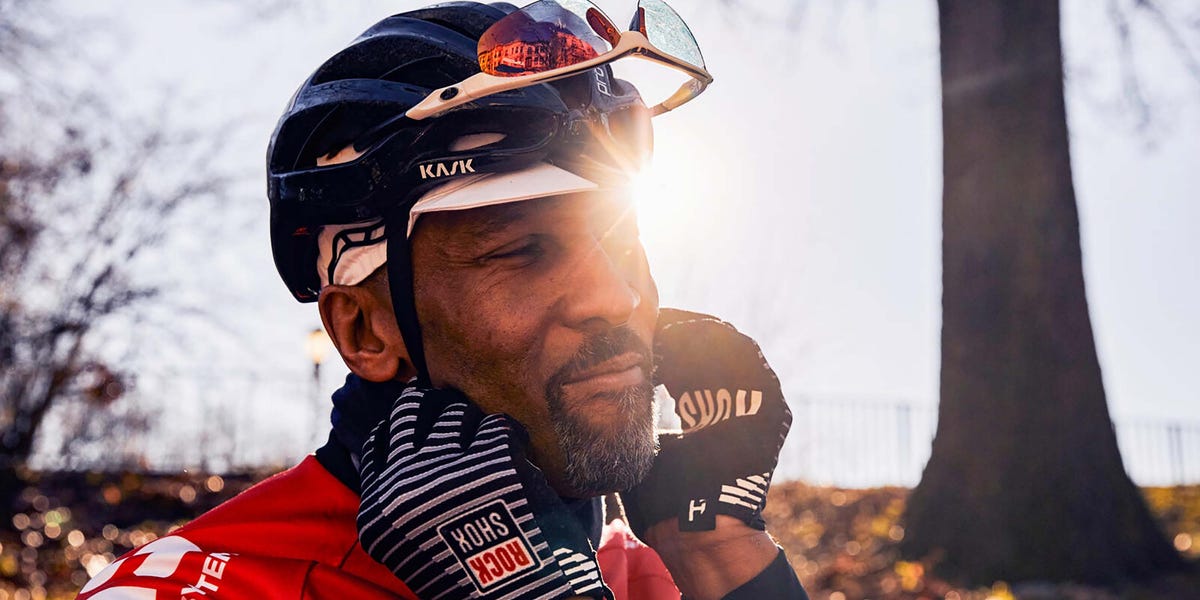
Performance coach, martial artist, and author David Lipscomb knows what it’s like to go from being at the top of your sport to struggling to keep up. As a former Cat 2 racer, he was happily racing in the elite field, but when he was struck by a car on his bike in 2015, he was forced to reevaluate his relationship with the sport.
That relationship was already evolving—he was 45 years old at the time—but the long hospital stint brought about more revelations than simply dropping from the Elite category to the masters field.
Now, he blends the mindset skills that he learned from martial arts with his own racing history and on-bike coaching to help other riders reach their goals. The biggest piece of the puzzle? Redefining what strength means as a mature cyclist.
It’s not just about how many watts you can push. It’s not just about how much weight you can deadlift. In fact, the biggest unlock is on the mental side. Here is some of Lipscomb’s best advice for older riders.
Build Mental Strength First
Sadly, there is no magic interval set or series of strength training exercises that will make you the strongest version of yourself. “If we want to improve, we have to look within ourselves,” Lipscomb explains. “Most of us make the mistake of thinking that there’s a missing piece, and once we get it, everything is going to fall into place. We think there’s the one missing perfect workout or interval set, or that we just need this one new piece of gear like a certain power meter or heart rate monitor.”
But if we lack mental resilience, even the best workouts won’t help us meet our full potential as riders. “If people have a weak mind, they’ll have a difficult time improving, because if our minds are not in the game, we can’t get through,” says Lipscomb.
Take a 20-minute FTP test, for example. That 20 minutes can feel like the longest 20 minutes of your life, and it’s easy to crack halfway through.
That’s why Lipscomb has riders do the test regularly. It’s not about the test results. “It’s about what happens between the two ears,” he says. “When people hit 11 minutes and think, ‘I got another nine minutes of this test to go,’ where does their mind go? How do they handle emotional stress? Do they have a calm mind or a chaotic mind? That’s what I test for. I don’t test for the number. I test for how you executed the test.”
Develop a Calm Mind
His secret to getting through tough workouts, putting in the big miles, and pushing through hard moments on the bike? Quiet. “You need to calm your chaotic mind,” he says. “Quiet the noise that’s happening around you and inside of you. If we can’t get quiet through the noise, we lose traction mentally. But it’s not about cutting out the noise entirely, it’s about learning to endure it, and ultimately, to control it.”
That’s what you’re aiming for when you’re in the middle of that 20-minute FTP test, for example. “Numbers are just a reflection of where you are at a snapshot in time,” he says. “In order to improve that number, it’s about the mindset that goes into it.”
Focus on Consistency and Discipline
“No one wants to just do the basics and put in the work, they want this complex answer,” Lipscomb says. “Discipline and consistency are the two things that martial artists do and they learn to do.” It’s fun to do a new interval workout or try a new strength set in the gym, but the real strength comes from putting in the reps on the bike and in the gym.
“No matter what age you are, when it comes to wanting to improve in cycling, a lot of it comes down to discipline,” he says. “If you don’t have the discipline and accountability for yourself, you’ll never get there.”
Don’t Ignore the Details
Lipscomb is always looking for the prime level performance standard. “In the detail is where the learning comes,” he says. “Every little thing that you do either makes or breaks how you perform said effort or said technique.”
That guy in the gym who’s squatting an ungodly amount of weight, but his back is hunching under the load and his knees are caving in? That’s not a show of strength; it’s doing a lift with poor form and risking injury. The 90-year-old woman who’s squatting holding a 10-pound dumbbell but has a perfectly straight spine, engaged core, and excellent form? She’s building real strength.
Details like proper form, whether it’s the lifts you’re doing in your cross-training or your pedal stroke and riding posture on the bike, matter and impact the performance benefits you’ll reap from training. As Lipscomb notes, “It’s about control. It’s not about how much ego you have.”
Emiliano Granado
Be Real With Yourself
You need to be honest about where you are at this moment. This is especially true for masters cyclists who are comparing themselves to younger riders or—worse—to younger versions of themselves.
“Give yourself grace for where you are. But then, decide what you’re going to do about it,” Lipscomb says. “No matter what age you are, you can do things that help you improve your cycling, and ultimately, your lifestyle and overall health. How will you take where you are right now and do your best to improve it?”