
Action cameras have become a familiar sight on bikes of all kinds, from commuters navigating busy city traffic to gravel riders heading off-grid to endurance athletes and content creators chasing the perfect shot. But while the cameras themselves are getting easier to use, the language around them is getting stuffed full of jargon, which, unless you enjoy getting nerdy about cameras, can be really off-putting when you’re just trying to buy one. Spec sheets, reviews and marketing spiel are packed with technical terms that can make choosing the right camera feel more complicated than it needs to be.
That’s why we’ve created this comprehensive jargon buster, to demystify the most common terms you’ll see when reading about action cameras and cycling safety cameras. Whether you’re looking for peace of mind from a rear-facing camera that records close passes, or you want the best possible video quality for filming rides, races or trail sessions, understanding the terminology can help you make a more confident decision, and get more out of the kit you already own.
This jargon buster is for cyclists of all kinds, and you don’t need a technical background to use it. Each term is explained in plain English, with real-world cycling context.
If you’re still weighing up your options, this guide works best alongside our roundup of the best action cameras for cyclists. And if you’re deciding between a traditional action camera and a dedicated rear-facing safety camera, our safety camera vs action camera guide breaks down the strengths and limitations of each. Together, these guides should help you cut through the noise and choose the camera setup that actually suits your riding needs.
(Image credit: Future)Action camera jargon buster
You can trust Cyclingnews
Our experts spend countless hours testing cycling tech and will always share honest, unbiased advice to help you choose. Find out more about how we test.
Accelerometer
An accelerometer is a sensor that measures movement and changes in speed or direction. In action cameras, it helps the device understand how it’s being moved, which feeds into features like image stabilisation and orientation detection. In rear camera radars, the accelerometer can also be used to detect sudden speed increases in vehicles behind you, impacts or crashes, and automatically save or lock footage so it isn’t overwritten.
Aspect ratio
Aspect ratio describes the shape of the video frame, expressed as a ratio between its width and height, like 16:9 or 4:3. A wider ratio like 16:9 is standard for most screens and video platforms, while taller ratios can capture more vertical detail. Some action cameras let you choose the aspect ratio depending on whether you want a cinematic look or more flexibility to crop later. For cyclists, aspect ratio can affect how much road, sky, or surroundings are visible in the final footage.
Battery life (mAh)
Battery life tells you how long your action camera can run before it needs recharging. It’s measured in milliamp hours (mAh): the bigger the number, the bigger the battery capacity. But that figure doesn’t tell the whole story. Recording in high resolutions like 4K, using image stabilisation, or shooting at high frame rates will drain the battery faster. Cold weather also reduces its efficiency, something cyclists in the UK will notice on winter rides. Some cameras let you swap out batteries mid-ride, while others have sealed units, so it’s important to plan around your setup. For long days out, you might want spare batteries or a power bank.
Bezel
The bezel is the border around the camera lens or screen. On action cameras, bezels are usually kept minimal to reduce bulk and weight, but they still serve a protective role. A raised bezel around the lens can help prevent scratches when the camera is placed face-down or knocked during a ride.
(Image credit: Future)
BLE
BLE stands for Bluetooth Low Energy, a wireless communication standard designed to use very little power. It’s commonly used in cycling tech, including action cameras and rear camera radars, to connect with smartphones or bike computers. BLE allows devices to send small amounts of data (like status updates or control commands) without draining the battery. For cyclists, this means longer battery life while still staying connected.
Bit depth
Bit depth refers to how much colour information is recorded in each pixel of an image or video. Higher bit depth means smoother colour gradients and more detail, especially in shadows and highlights. While many action cameras record at standard bit depths suitable for everyday use, higher bit depth footage is particularly useful if you plan to edit your videos heavily. For most people sharing clips online, standard bit depth is fine, but understanding it helps explain why some footage looks richer than others.
Bit rate
Bit rate measures how much data your camera captures every second of video, expressed in megabits per second (Mbps). A higher bit rate means more information stored, resulting in sharper, more detailed footage. The downside is that larger files take up more space, requiring bigger and faster memory cards to handle the flow of data. If you’re filming epic rides and want professional-looking results, a higher bit rate is worth having. If you’re mainly recording commutes for peace of mind, you may be fine with a lower bit rate that saves space and is easier to share.
Companion app
Most action cameras are paired with a smartphone app that unlocks extra features. These apps let you control the camera remotely, preview your framing on your phone screen, transfer files, and edit on the spot. For cyclists, this is especially handy if your camera is rear-mounted or otherwise hard to reach. Some apps even let you add GPS overlays, trim highlights, or share directly to social media. Just bear in mind that using Wi-Fi or Bluetooth to connect the app can reduce your camera’s battery life.
Compression
Compression is the process of reducing the size of video files by removing data that’s considered less important. All action cameras use compression to make footage manageable in terms of storage and playback. Heavier compression creates smaller files but can reduce image quality, especially in detailed scenes like fast-moving traffic or leafy roads. Lighter compression preserves quality but requires more storage space and faster memory cards. Understanding compression helps explain why two cameras with the same resolution can produce very different-looking footage.
Exposure
Exposure is all about how much light reaches the camera sensor, which determines how bright or dark your footage looks. Most action cameras set this automatically, adjusting to changes in conditions, but some might allow manual control for fine-tuning. For example, if you’re riding into a tunnel, the exposure will shift to brighten the shot. Too much exposure makes your footage look washed out, while too little makes it too dark to see detail.
Focal length
Focal length describes how ‘zoomed in’ a lens is and is usually measured in millimetres. Short focal lengths produce wide-angle views, which are common in action cameras because they capture more of the scene and intensify the sense of speed. Longer focal lengths zoom in on distant objects but show less of the surroundings. For cycling, wide focal lengths are ideal for capturing the road, traffic, and environment, especially on rear-facing cameras where context matters.
Frame rate (fps)
Frame rate is the number of individual frames recorded per second, expressed in frames per second (fps). Standard video often uses 30fps, but higher frame rates like 60fps or 120fps make motion smoother and allow you to slow footage down without it looking jerky. For cyclists, a higher frame rate is useful for capturing fast descents or close passes from cars, where detail matters. Just keep in mind that high fps recordings use more storage and battery.
(Image credit: Josh Ross)
Gyroscope
A gyroscope is a sensor that measures rotation and orientation. In action cameras, it works alongside the accelerometer to detect movement in all directions. This information is crucial for advanced stabilisation features and horizon levelling. In action cameras, the gyroscope helps keep footage steady even when the bike leans into corners or hits rough surfaces. It’s one of the things that makes modern action camera footage look so smooth and controlled.
HDR (High Dynamic Range)
HDR is a mode that boosts the dynamic range of your footage, helping the camera capture both very bright and very dark areas more clearly. The result is video with richer colours and more detail, especially in high-contrast conditions like cycling on a sunny day with lots of shade. HDR can make footage look more natural and lifelike, but it can sometimes introduce ghosting or softness in very fast-moving shots.
Horizon Lock / Horizon Levelling
Horizon lock or horizon levelling is a feature that keeps the horizon straight, even if the camera tilts or rotates. This is especially useful for mountain bikers, as they lean and jump. With horizon lock enabled, the footage stays level, making it easier to watch and less disorientating. It relies on data from the camera’s gyroscope and accelerometer, and usually involves cropping slightly into the image to maintain stability.
Lens aperture
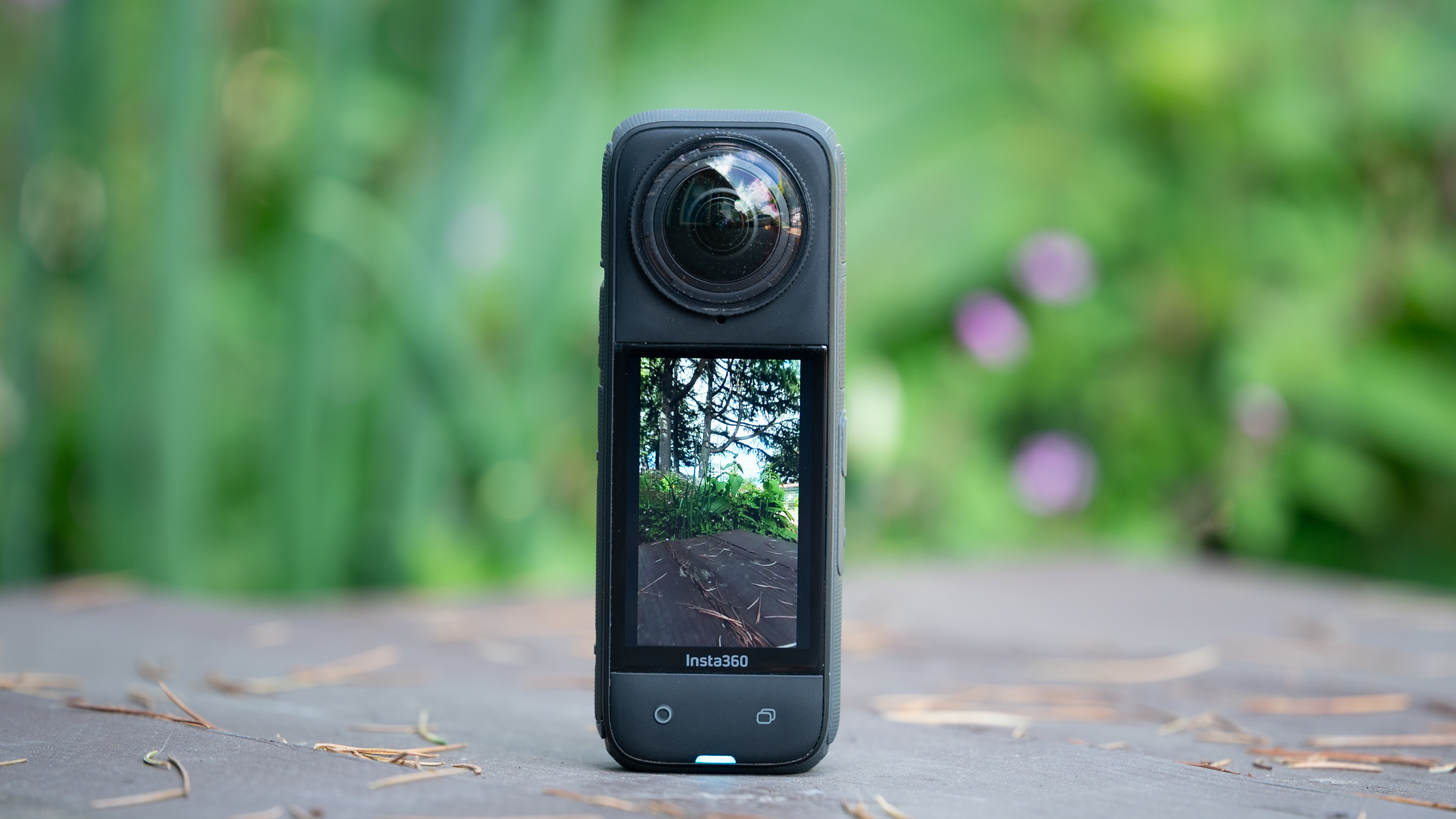
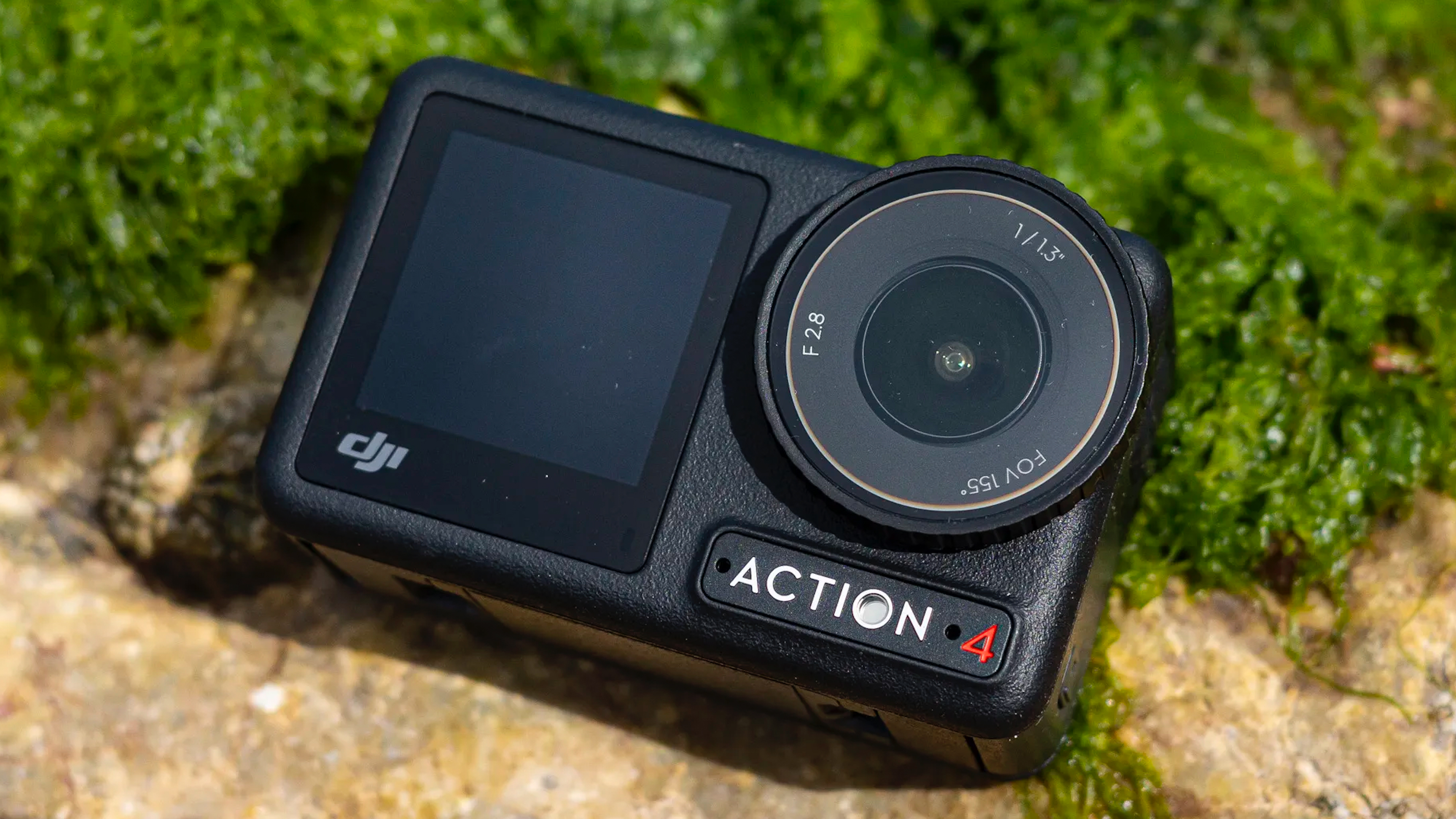
Aperture refers to the size of the opening in the lens that lets light reach the sensor. A wider aperture allows more light in, which improves low-light performance, while a narrower aperture lets in less light but can increase sharpness in bright conditions. Most action cameras use fixed apertures to keep things simple and compact, but the chosen aperture has a big influence on how the camera performs at dusk, dawn, or in overcast weather. For those riding in varied conditions, aperture can have a big impact on the consistency of the footage.
(Image credit: Josh Ross)
Livestreaming
Livestreaming lets you broadcast directly from your action camera to platforms like YouTube, Facebook, or Twitch. It’s a way of sharing your ride in real time with friends, family, or followers. While this sounds exciting, it does depend on having a stable internet connection (usually tethered to your phone) and will drain the battery quickly. For most, it’s more of a niche feature, but it’s a powerful option for events, races, or group rides.
Loop recording
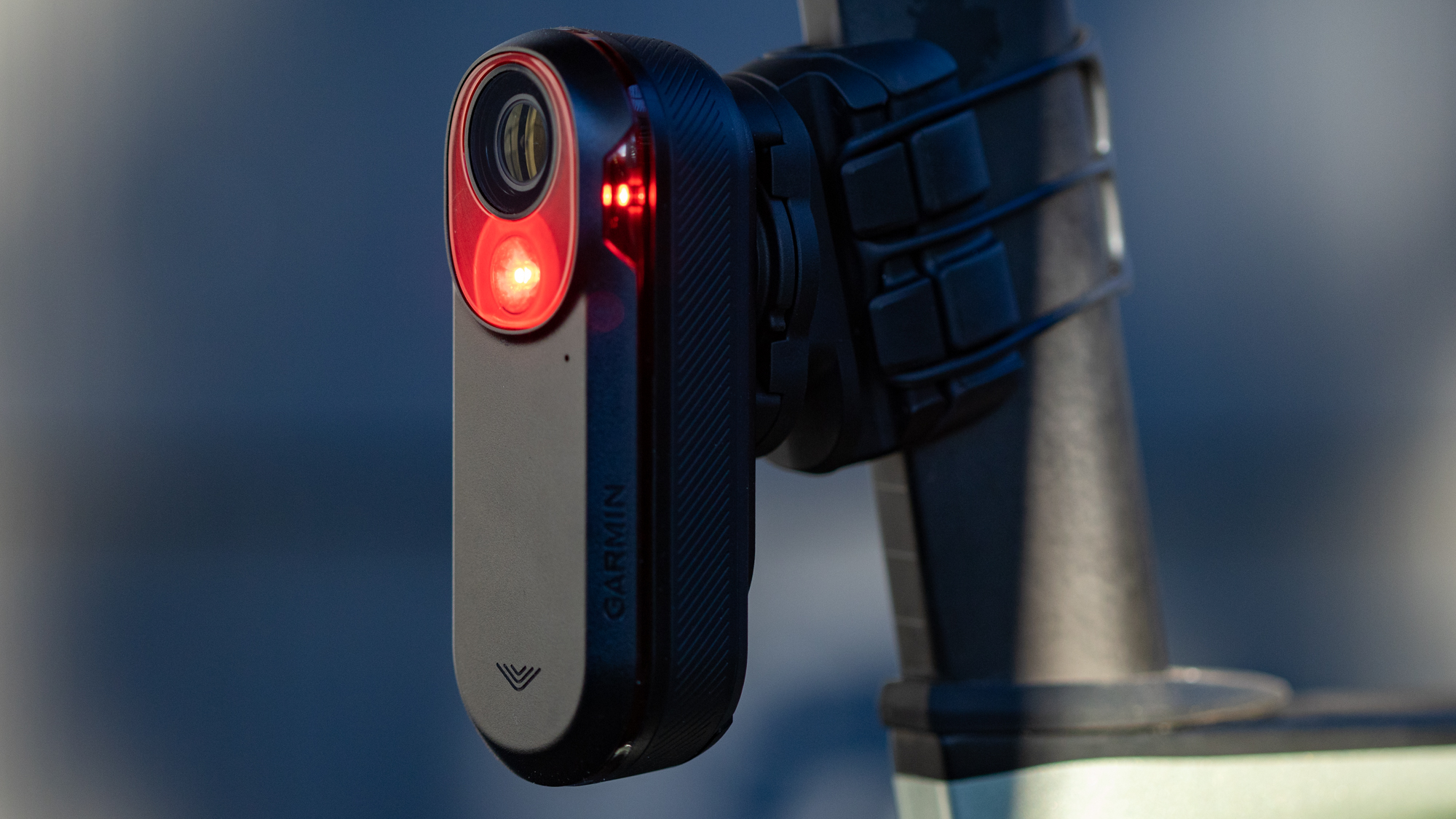
Loop recording is a continuous recording mode where the camera automatically overwrites old footage once the memory card fills up. This is especially common with safety cameras. It means you’ll always have the last few minutes of your ride saved, without worrying about running out of storage. If there’s an incident during your ride, you can lock or save that clip so it doesn’t get overwritten, and many good safety cameras will do this automatically.
Pre-Recording
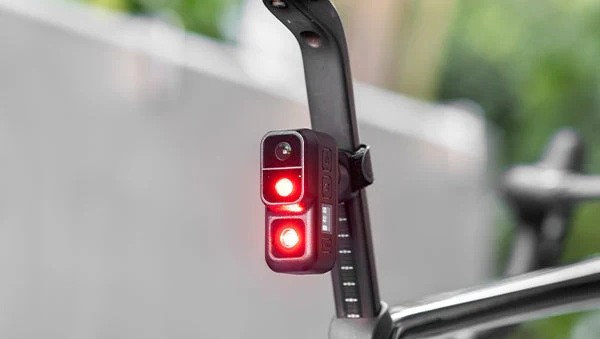
Pre-recording allows the camera to continuously buffer footage in the background, even before you press record. When you do start recording, or when an incident is detected, the camera saves the previous few seconds as well. This is particularly valuable for rear camera radars and safety-focused cameras, as it means you won’t miss important moments leading up to a close pass or collision, especially if you’re recording in reaction to something that’s already started happening. It’s a battery-eating feature, but adds significant peace of mind.
Resolution (1080p, 2.7K, 4K, etc.)
Resolution refers to the number of pixels in your footage, which determines how sharp it looks. Full HD (1080p) is still common, but 4K is now the standard for high detail. While higher resolution looks better, it also consumes more storage and battery, and most people will watch your clips on phones or laptops where 1080p is perfectly fine. For many, 4K is useful if you want to crop or zoom in later without losing quality.
(Image credit: Future)
(Image credit: DJI)
Sensor size
The sensor is the part of the camera that captures light, and its size has a big impact on image quality. Larger sensors gather more light, which helps with low-light performance and colour accuracy. Most action cameras use small sensors compared to traditional cameras, but some premium models offer larger ones for better results. Bigger sensors mean clearer footage in varied conditions, though they often come with a higher price tag.
Shutter speed
Shutter speed controls how long the camera’s sensor is exposed to light for each frame. Faster shutter speeds freeze motion, making individual frames sharper, while slower shutter speeds let in more light but can introduce motion blur. In action cameras, shutter speed is often adjusted automatically, but it has a big impact on how smooth or sharp your footage looks. For cycling, fast shutter speeds are useful for capturing clear details of vehicles or road conditions, especially at speed.
Slow-motion / Slo-Mo
Slow-motion footage is created by recording at a high frame rate (e.g. 240fps) and then playing it back at normal speed. This makes fast action appear slowed down, allowing you to see details you’d normally miss. On the bike, slow-motion can capture technical movements on trails or add drama to highlights. It’s fun but not always practical, as high-frame-rate recording uses more storage and battery.
Stabilisation (HyperSmooth, RockSteady, etc.)
Stabilisation is technology that smooths out shaky footage, either digitally or mechanically. Brand names like HyperSmooth (GoPro) or RockSteady (DJI) refer to advanced digital stabilisation systems. For cyclists, stabilisation is essential: without it, your footage would be unwatchably shaky on anything but the smoothest tarmac. It works by analysing motion and cropping into the image slightly to keep things steady.
Timelapse / Hyperlapse
Timelapse is a feature that takes still images at set intervals and stitches them into a video that compresses time, showing a long journey in just a few seconds. Hyperlapse is a similar effect, but stabilised to give the impression of smooth motion while time speeds up. It’s a fun way to capture the essence of a long ride in a short, watchable clip.
Voice control
Voice control lets you operate your camera with spoken commands like “start recording” or “take a photo.” This is especially useful for cyclists who don’t want to take their hands off the bars mid-ride. It doesn’t always work perfectly in noisy or windy environments, but when it does, it’s a safe and practical way to control the camera.
Waterproofing / IP rating
Waterproofing tells you how resistant a camera is to water and dust, often measured with an IP rating. For example, IP68 means it’s dustproof and can survive full immersion in water. Many modern action cameras are waterproof to certain depths without a case, making them reliable in heavy rain or even river crossings. For UK riders dealing with unpredictable weather, waterproofing is essential.
White balance
White balance adjusts how colours appear in your footage depending on the lighting. In bright sunshine, video can look too warm and orange; in shade, it can look too cool and blue. Auto white balance usually does the job, but some cameras let you fine-tune it for consistency, especially if you’re editing multiple clips together. For most, it’s a set-and-forget feature, but knowing what it does can explain why some videos look ‘off’ in different conditions.
Zoom
Zoom refers to how close the camera can make distant subjects appear. Optical zoom uses physical lens movement and preserves image quality, while digital zoom simply crops and enlarges the image, reducing detail. Most action cameras rely on digital zoom, because of their compact lens size. For many, zoom is less about getting closer to distant scenery and more about cropping footage after the ride to focus on specific details, like number plates or road features.