
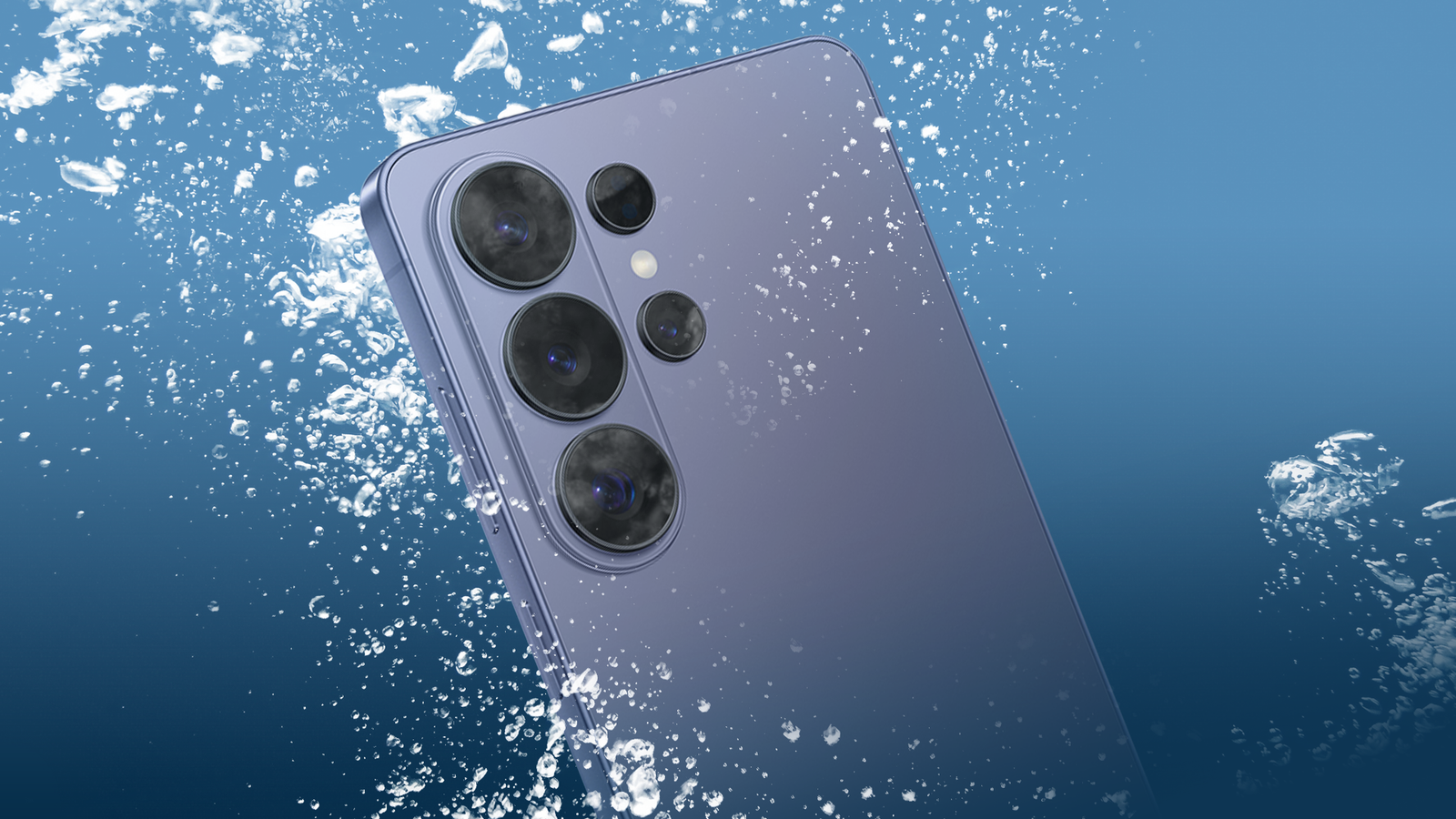
Samsung launched the Galaxy S26 series in February, right in the heart of winter for half the world. Samsung marketed it as a go-anywhere, capture-everything phone.
Yet, for anyone living in a climate where the mercury dips below zero, the camera, which is a primary selling point, can become a liability.
Across online communities, users are reporting that the S26 Ultra camera lenses are fogging from the inside.
It’s a disappointment for an Ultra owner. At the same time, it shows that an IP68 rating does not guarantee what people think it does.
Why IP68 does not make your phone waterproof
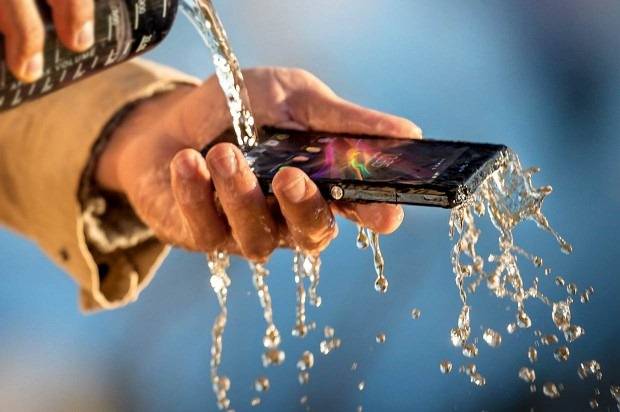
IP68 doesn’t mean your phone is vacuum-sealed. I see people treat their phones like they are diver watches. IP stands for Ingress Protection. The first digit, 6, means the device is dust-tight.
The second digit, 8, means the phone was tested to survive immersion in at least 1.5 meters of fresh water for up to 30 minutes. But that’s under lab conditions, with still, fresh water and controlled pressure.
If your phone were truly airtight — meaning no gas could enter or leave — it would likely explode or implode depending on the altitude.
If you take a perfectly sealed phone on a flight, the pressure change in the cabin will cause the screen or the glass to pop off.
To prevent this, manufacturers use a system of physical barriers. Thick adhesive strips bond the front and back glass to the chassis, sealing the largest entry points.
For most moving parts like buttons and SIM trays, tiny rubber O-rings compress against the frame to block moisture.
Over the speakers and microphones, ultra-fine meshes use surface tension to keep liquid out without muffling sound.
Hydrophobic coatings on the motherboard act as a final defense to prevent short circuits. These barriers block liquid water molecules but allow air and atmospheric humidity to pass through.
Thermodynamics and the physics behind the S26 Ultra camera fog issue

Credit: TORRAS
The reason we are seeing this on the S26 Ultra and not as much on, say, a budget A-series phone, is a result of its high-performance DNA.
The S26 Ultra is packed with hardware that generates heat. We are talking about the Snapdragon 8 Elite processor and vapor chamber cooling.
This cooling system is designed to move heat away from the chip and spread it across the body of the phone to prevent thermal throttling. Hot air can hold much more water vapor than cold air.
When you are pushing your phone during heavy tasks like AI processing or 8K video recording, the air inside the chassis gets warm. If there is any moisture in that air, it stays in a gaseous state as long as it is hot.
When you go out in the morning, and it’s -6°C, the external camera glass which is in contact with the freezing air cools down, and the air moisture turns into liquid.
The safe way to deal with camera condensation
Credit: Unsplash / Android Police
When your lens fogs up, the internet will offer a thousand solutions. Half of them will fix the problem, and the other half will destroy your phone.
The most successful community-driven workaround is to pop out the SIM tray to break the IP68 seal and give trapped air an exit path.
Generate internal heat by running a benchmark like playing a heavy game or recording 8K video for 10 to 15 minutes.
If you are not comfortable running your phone at max temperature, remove the SIM tray and place the phone in an airtight container (like a Ziploc bag) with some silica gel.
The intense heat expands the trapped moisture, forcing it out through the open SIM slot.
After the phone cools down in a dry room, push the tray back in to reseal the chassis.
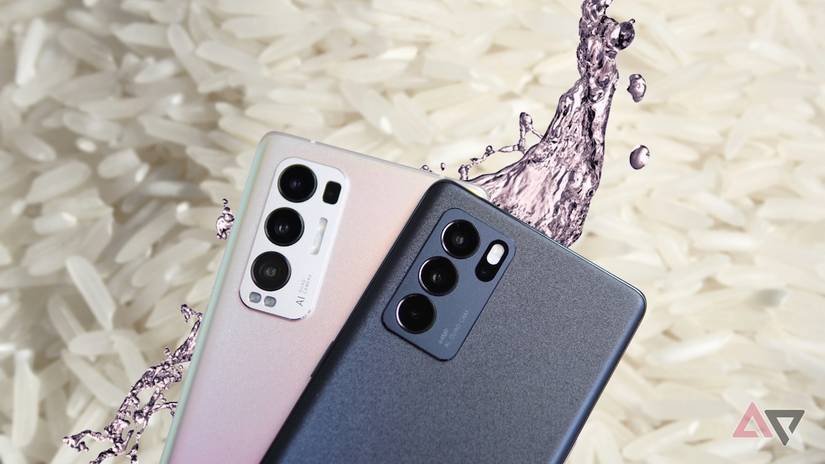
Do not use the rice trick. Rice is a poor desiccant and releases starch dust.
Similarly, stay away from hair dryers. Direct heat can melt the adhesive seals that give the phone its IP68 rating and leave the phone permanently vulnerable to water damage.
Samsung will probably call it normal and move on
If you take your fogged-up S26 Ultra to a service center, don’t expect a hero’s welcome. Some owners have had luck getting a replacement.
Nevertheless, Samsung will probably treat it as normal condensation rather than a hardware problem.
They recommend letting the phone dry naturally at room temperature and avoiding exposure to temperature and humidity extremes.
However, extremes is a flexible word when used by a corporate legal team.
We have seen reports of fogging after users put their phones near a car’s AC vent, left them near a hot bath, or took them into a sauna.
While a sauna is pushing it, a car’s AC vent or a cold winter’s day should be well within the normal use envelope of a flagship Android phone.
For the person who just spent a month’s rent on a flagship Android phone, being told that physics happens is cold comfort when they can’t take a photo of their kid in the snow.
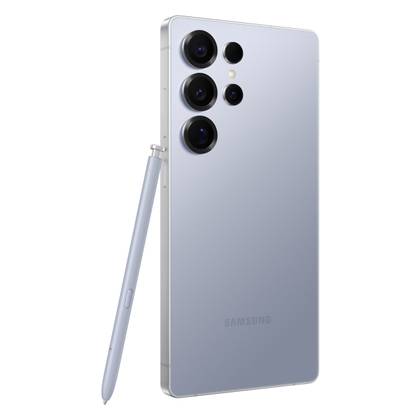

8/10
SoC
Qualcomm Snapdragon 8 Elite Gen 5
RAM
12GB / 16GB
Storage
256GB / 512GB / 1TB
Battery
5,000mAh
The Samsung Galaxy S26 Ultra has a world-first new feature called the Privacy Display, which hides the phone screen from prying eyes. The phone is lighter, thinner, and more powerful than its predecessor.