
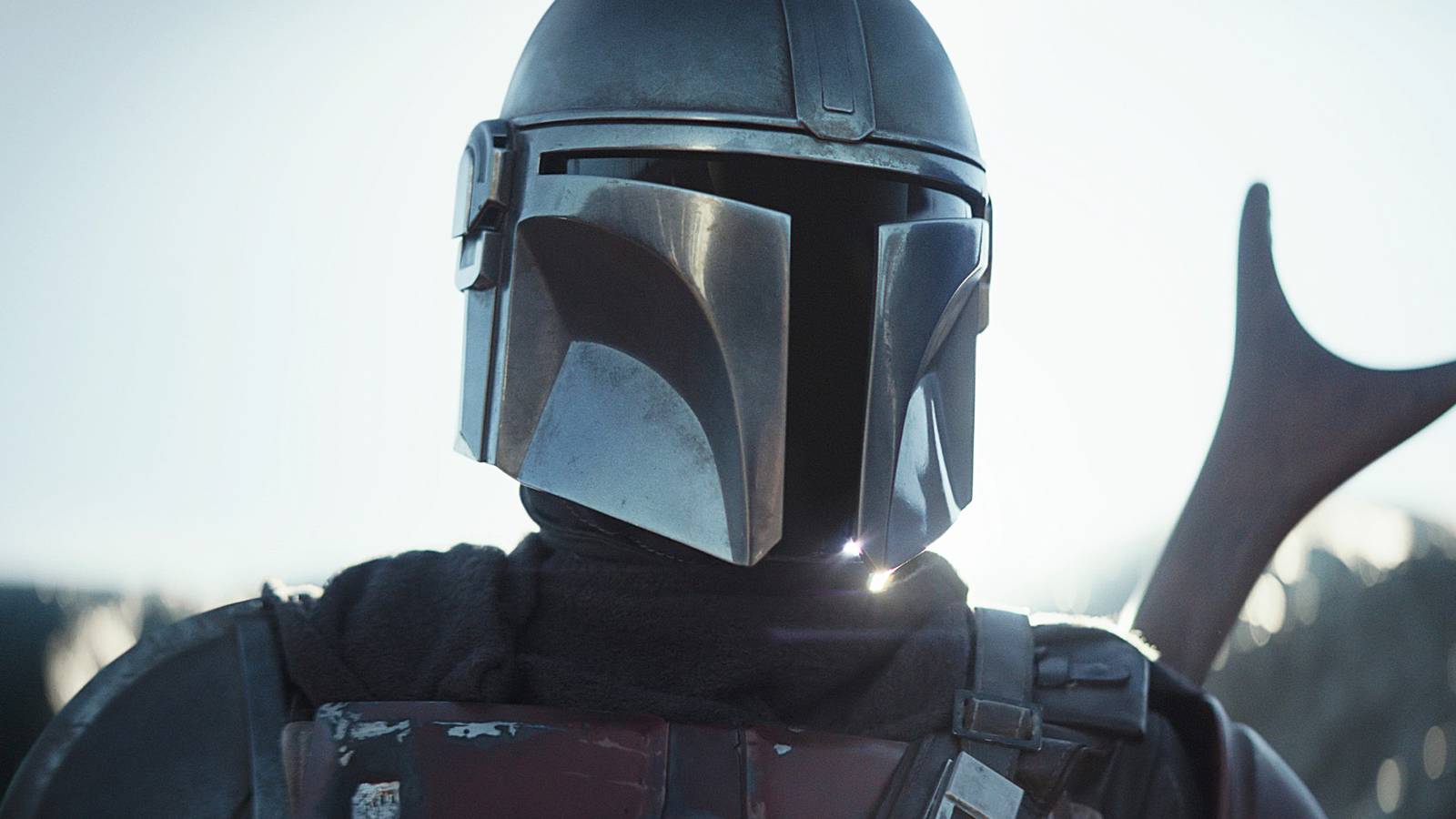
Nowadays, there is more television than ever. The age of streaming has made it possible for shows that never would have lasted more than a single season on network or cable TV to receive several renewals on a streaming platform. It’s a wild time to be a TV fan, especially when certain shows don’t quite know when to quit. Today, we’re looking at television shows that ought to have lasted only a single season in hindsight.
Admittedly, some of these picks may be controversial. We’ll own that. After all, many of the shows listed here are beloved and even contain some solid seasons post-Season 1. But looking back upon completion (or after an extended amount of time) has made us believe that, just maybe, they would’ve been better off lasting only a year. At the very least, they may have felt less uneven (or more complete) over time.
‘Stranger Things’ (2016–2025)
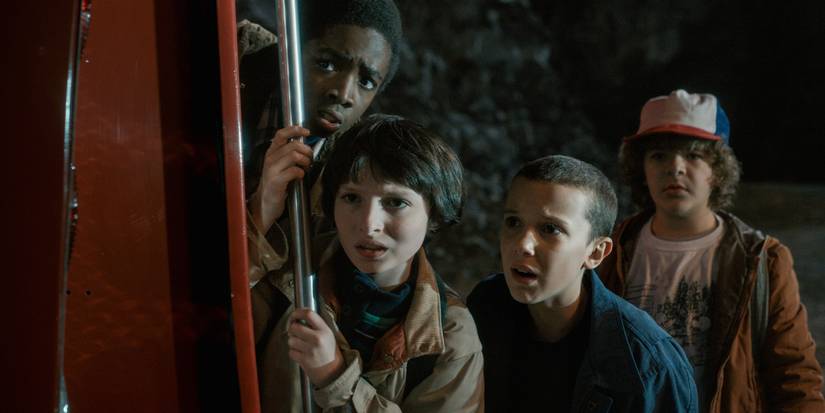
Lucas Sinclair (Caleb McLaughlin), Mike Wheeler (Finn Wolfhard), Eleven (Millie Bobby Brown), and Dustin Henderson (Gaten Matarazzo) hide in the first season of ‘Stranger Things’Image via Netflix
When Stranger Things first hit Netflix, nobody could have predicted that it would have become a cultural phenomenon. A decade later, the sci-fi/horror series is one of the biggest franchises in modern television — and one of the medium’s biggest cautionary tales. Upon the release of the lackluster final season, Stranger Things became a shadow of its former self (leaving behind plenty of loose threads), and looking back, we can see that the first season told the most complete story of them all.
While there are some rumors out there that Stranger Things was meant to be an anthology series, with the Duffer Brothers tackling new sci-fi-based conspiracies each season. While we love the idea, it just isn’t the case. No doubt, we loved watching the Hawkins party mature and develop gradually, but that wasn’t the case for everyone. Many characters, including Eleven (Millie Bobby Brown) and Hopper (David Harbour), remained largely stagnant after the first few seasons. In the end, a single-season, self-contained adventure may have been better for everyone.
‘True Detective’ (2014–Present)
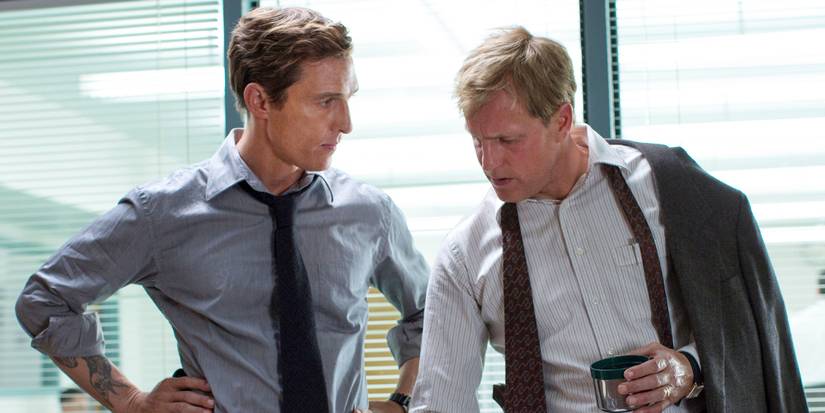
Woody Harrelson and Matthew McConaughey in an episode of True DetectiveImage via HBO
Speaking of anthology shows, True Detective is certainly one of the most popular. Created by Nic Pizzolatto, the HBO crime series was a gritty take on the police drama that pushed heavy hitters like Matthew McConaughey and Woody Harrelson into the television spotlight. But after the first (and critically-acclaimed) season, True Detective never quite recovered. As with Stranger Things, this isn’t to say that every season afterward is actively bad, but HBO has been unable to replicate the high-quality of its initial outing.
The second season is famously hailed as the worst of the batch, with Season 3 considered to be an improvement. In our ranking of all four seasons, the fourth season, dubbed Night Country, ranked second after Season 1, though many have noted that it relied too much on trying to imitate the McConaughey/Harrelson outing while feeling like a different show entirely (no wonder, as Pizzolatto was no longer involved). Although True Detective is technically still ongoing, only Season 1 is essential viewing.
‘Heroes’ (2006–2010)
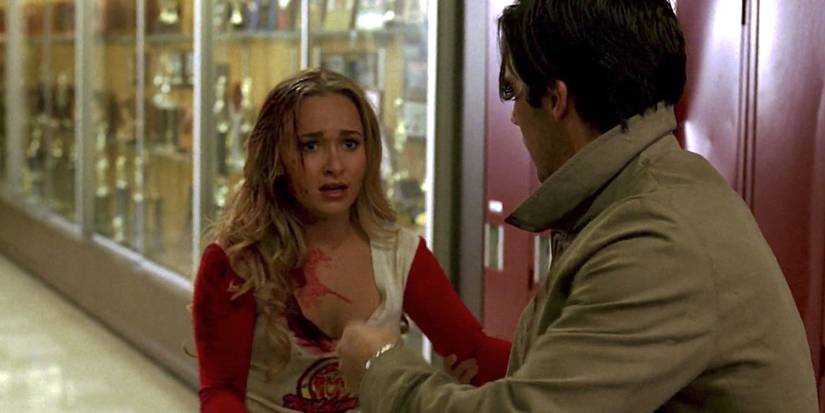
Peter Petrelli (Milo Ventimiglia) saves Claire Bennett (Hayden Panettiere) on ‘Heroes.’Image via NBC
After Lost, just about every network was trying desperately to replicate the success of the ensemble television series with serialized elements, complex world-building, and memorable stars. So, when Tim Kring brought Heroes to NBC, the network was sold. As complete strangers across the world discover that they have abilities beyond that of mortal man, an unlikely band of heroes join together to prevent New York City from a prophetic annihilation. Heroes Season 1 is still considered one of the greatest seasons of sci-fi television, and for good reason.
The first season does everything right. It allows us time to get to know the characters before tossing them headfirst into the plot, it shows more than it tells, and it builds anticipation for the final climax. By the end of these first 23 episodes, we’re left satisfied with the results. Unfortunately, so was NBC, and the network continued the show for three more seasons of varying quality. However, Heroes could never move past its first season, and even as late as the fourth, it waxed nostalgic for its first.
‘Westworld’ (2016–2022)
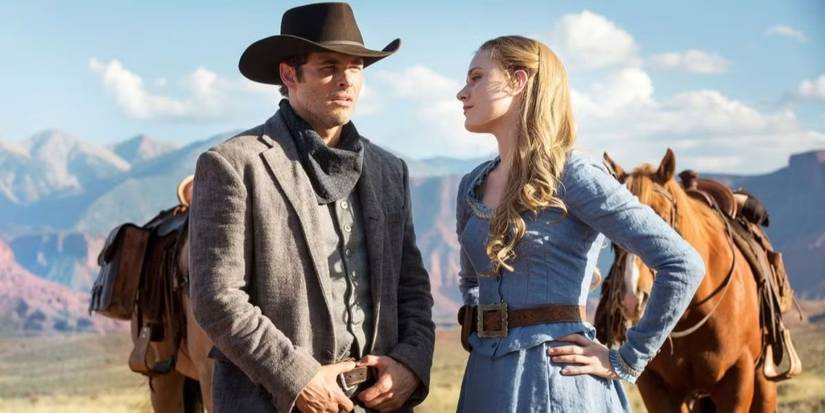
Evan Rachel Wood as Dolores and James Marsden as Teddy standing by their horses in Westworld Season 1 Episode 1Image via HBO
Based on the ’70s movie of the same name, Westworld was HBO’s attempt to combine the Western genre with philosophical science fiction for a dystopian drama. Created by Jonathan Nolan and Lisa Joy, the series centers on the title Old West-themed amusement park full of androids, and the artificial intelligence that spawns from it. While Season 1 was a fascinating take on Michael Crichton‘s original tale, the HBO drama not only lost sight of the plot, but it became consumed by its own mystery.
Westworld may have been better explored in a limited format, not unlike the original Westworld movie that inspired it. Indeed, the series may have felt more complete in hindsight had it concluded with its first season. Of course, you’d have to rework that ending slightly, but it still could have been done. While the 1973 picture was one of Crichton’s greatest movies, the series ultimately fell short by the end — and that massive final cliffhanger certainly didn’t help.
Collider Exclusive · Sci-Fi Survival Quiz
Which Sci-Fi World Would You Survive?
The Matrix · Mad Max · Blade Runner · Dune · Star Wars
Five universes. Five completely different ways the future went wrong — or sideways, or up in flames. Only one of them is the world your instincts were built for. Eight questions will figure out which dystopia, galaxy, or desert wasteland you’d actually make it out of alive.
💊The Matrix
🔥Mad Max
🌧️Blade Runner
🏜️Dune
🚀Star Wars
TEST YOUR SURVIVAL →
01
You sense something is deeply wrong with the world around you. What do you do?
The first instinct is often the truest one.
APull on every thread until I understand the system — then figure out how to break it.
BStop asking questions and start stockpiling — food, fuel, weapons. Questions don’t keep you alive.
CKeep my head down, observe carefully, and trust no one until I know who’s pulling the strings.
DStudy the patterns. Every system has a rhythm — learn it, and you learn how to survive it.
EFind the people fighting back and join them. You can’t fix a broken galaxy alone.
NEXT QUESTION →
02
In a world of scarcity, what resource do you guard most fiercely?
What we protect reveals what we believe survival actually requires.
AKnowledge. If you understand the system, you don’t need resources — you can generate them.
BFuel. Everything else — movement, power, escape — runs on it.
CTrust. In a world of fakes and informants, a truly reliable ally is rarer than any commodity.
DWater. And after water, information — the two things empires are truly built on.
EShips and credits. The galaxy is big — you survive it by being able to move through it freely.
NEXT QUESTION →
03
What kind of threat keeps you up at night?
Fear is useful data — if you’re honest about what you’re actually afraid of.
AThat reality itself is a lie — that everything I experience has been constructed to keep me compliant.
BA raid. No warning, no mercy — just the roar of engines and then nothing left.
CBeing identified. Once someone with power decides you’re a problem, you’re already out of time.
DBeing outmanoeuvred — losing a political game I didn’t even know I was playing.
EThe Empire tightening its grip until there’s nowhere left to run.
NEXT QUESTION →
04
How do you deal with authority you don’t trust?
Every dystopia has a power structure. Your approach to it determines everything.
ASubvert it from the inside — learn its rules well enough to weaponise them against it.
BIgnore it and stay out of its reach. The further from any power structure, the better.
CAppear to comply while doing exactly what I need to do. Visibility is the enemy.
DManoeuvre within it carefully. You can’t beat a system you refuse to understand.
EResist openly when I have to. Some things are worth the risk of being seen.
NEXT QUESTION →
05
Which environment could you actually endure long-term?
Survival isn’t just tactical — it’s physical, psychological, and very much about where you are.
AUnderground bunkers and server rooms — cramped, artificial, but with access to everything that matters.
BOpen wasteland — brutal sun, no shelter, constant movement. At least the threat is honest.
CA dense, rain-soaked city where you can disappear into the crowd and nobody asks questions.
DMerciless desert — extreme heat, no water, and something enormous living beneath the sand.
EThe fringe — backwater planets and busy spaceports where the Empire’s attention rarely reaches.
NEXT QUESTION →
06
Who do you want in your corner when things fall apart?
The company you keep is the clearest signal of who you actually are.
AA tight crew of believers who’ve seen behind the curtain and have nothing left to lose.
BOne or two people I’d trust with my life. Any more than that and someone talks.
CNobody, ideally. Alliances are liabilities. I work alone unless I have no choice.
DA community bound by shared hardship and mutual survival — people who need each other to last.
EA ragtag team with wildly different skills and total commitment when it counts.
NEXT QUESTION →
07
Where do you draw the line — if you draw one at all?
Every survivor eventually faces a moment that tests what they’re actually made of.
AI won’t harm the innocent — even the ones who’d report me without hesitation.
BI do what I have to to protect the people I’ve chosen. Everything else is negotiable.
CThe line shifts depending on who’s asking and what’s at stake.
DI draw a long-term line — nothing that compromises my people’s future, even if it’d help now.
ESome lines, once crossed, can’t be uncrossed. I know which ones they are.
NEXT QUESTION →
08
What would actually make survival worth it?
Staying alive is one thing. Having a reason to is another.
AWaking others up — dismantling the illusion so no one else has to live inside it.
BFinding somewhere — or someone — worth protecting. A reason to keep moving.
CAnswers. Understanding what I am, what any of this means, before time runs out.
DLegacy — shaping the future in a way that outlasts me by generations.
EFreedom — for myself, for others, for every world still living under someone else’s boot.
REVEAL MY WORLD →
Your Fate Has Been Calculated
You’d Survive In…
Your answers point to the world your instincts were built for. This is the universe your temperament, your survival instincts, and your particular brand of stubbornness were made for.
The Resistance, Zion
The Matrix
You took the red pill a long time ago — probably before anyone offered it to you. You’re a systems thinker who can’t help but notice the seams in things.
You’re drawn to understanding how the system works before figuring out how to break it.
You’d find the Resistance, or it would find you — your instinct for spotting constructed realities is the machines’ worst nightmare.
You function best when you have access to information and the freedom to act on it.
The Matrix built an airtight prison. You’d be the one probing the walls for the door.
The Wasteland
Mad Max
The wasteland doesn’t reward the clever or the well-connected — it rewards those who are hard to kill and harder to break. That’s you.
You don’t need comfort, community, or a cause larger than the next horizon.
You need a vehicle, a clear threat, and enough fuel to outrun it — and you’re good at all three.
You are unsentimental enough to survive that world, and decent enough — just barely — to be something more than another raider.
In the wasteland, that distinction is everything.
Los Angeles, 2049
Blade Runner
You’d survive here because you know how to exist in moral grey areas without losing yourself completely.
You read people accurately, keep your circle small, and ask the questions others prefer not to answer.
In a city where humanity is a legal designation rather than a feeling, you hold onto something that keeps you functional.
You’re not a hero. But you’re not lost, either.
In Blade Runner’s world, that distinction is everything.
Arrakis
Dune
Arrakis is the most hostile environment in the known universe — and you are precisely the kind of person it rewards.
Patience, discipline, and political awareness are your core strengths — and on Arrakis, they’re survival tools.
You understand that the long game matters more than any single victory.
Others come to Dune and are consumed by it. You’d learn its logic and earn its respect.
In time, you wouldn’t just survive Arrakis — you’d begin to reshape it.
A Galaxy Far, Far Away
Star Wars
The galaxy far, far away is vast, loud, and in a constant state of violent political upheaval — and you wouldn’t have it any other way.
You find meaning in being part of something larger than yourself — a cause, a crew, a rebellion.
You’d gravitate toward the Rebellion, or the fringes, or whatever pocket of the galaxy still believes the Empire’s grip can be broken.
You fight — not because you have to, but because standing aside isn’t something you’re capable of.
In Star Wars, that willingness is what makes all the difference.
↻ RETAKE THE QUIZ
‘Yellowstone’ (2018–2025)
Westworld isn’t the only Western-based series that ought to have been a one-and-done adventure. This may be a contrarian opinion, but Yellowstone would certainly have been a more effective drama if Taylor Sheridan had penned it as a single-season epic. After all, Sheridan claims to have known the ending of the Dutton saga from the very beginning, so had he reworked the show into an extended epic miniseries (like the more beloved 1883), we could’ve avoided years of the same land-grabbing plots and soapy drama.
Over time, Yellowstone continued to recycle the same plotlines, character arcs, and monologues about “land and legacy” that, if you binge the whole show back-to-back, are quite repetitive. Had the neo-Western been structured as a single season, be it with eight episodes or 16, it would have been profoundly more effective. It may also have garnered more critical praise upfront for having a clearer direction. Of course, even with an uneven batch of five seasons, it still ranks high on Sheridan’s television catalog.
‘Sleepy Hollow’ (2013–2017)
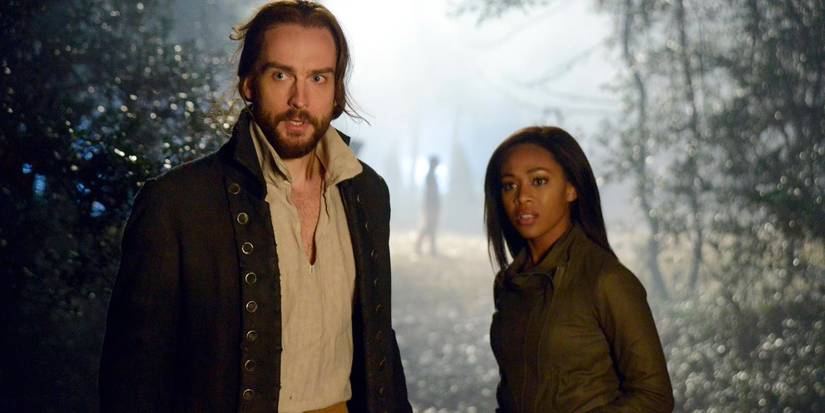
Tom Mison and Nicole Beharie as Ichabod Crane and Abbie Mills in ‘Sleepy Hollow.’Image via FOX
If you know anything about Fox’s supernatural crime drama Sleepy Hollow, you’ve probably heard about some of the unfortunate off-screen drama. But there’s so much more to this delightful little paranormal procedural than meets the eye, even if it ran a bit too long. Following the stellar first season (which proved a welcome shock to many), Ichabod Crane (Tom Mison) and Abbie Mills (Nicole Beharie) returned for more. Though, after Season 2, it no longer felt like the same show.
In hindsight, Abbie’s departure and the complete series overhaul that was Season 4 could have been avoided had Sleepy Hollow been a one-and-done season from the start. Instead of being a mid-season replacement, the horror drama ought to have been a single season of 20-something episodes that could have leaned into the mythology and seen Team Witness through to the end. Alternatively, it would’ve thrived on streaming. Instead, it struggled to find its voice again after Season 2 and lost what made it great.
‘The Following’ (2013–2015)
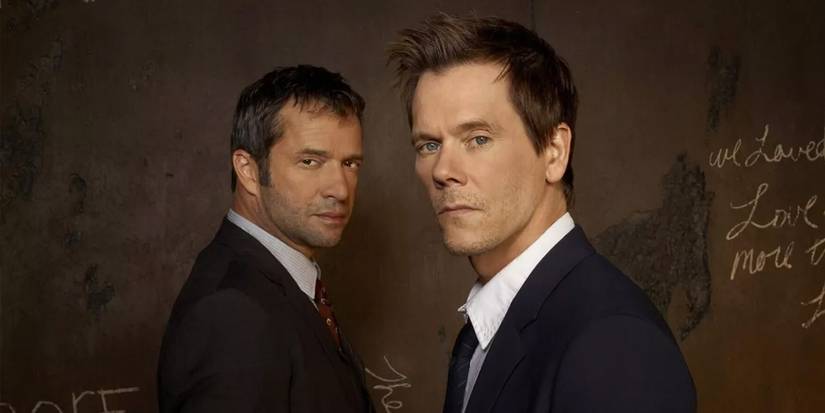
James Purefoy as Joe Carroll and Kevin Bacon as Ryan Hardy in ‘The Following.’Image via FOX
Sometimes, network television accidentally produces a killer season of television that ought to have stood on its own. Season 1 of The Following was that show, and, frankly, it never got better than that. As former FBI Agent Ryan Hardy (Kevin Bacon) is brought out of retirement to help investigate a new string of murders connected to serial killer Joe Carroll (James Purefoy), an Edgar Allen Poe-centric killer-cult emerges as Ryan struggles to catch those responsible. The first season is simply impeccable, perfect for those looking for a “true crime”-inspired thrill that keeps you on the edge of your seat.
Unfortunately, The Following ran for two more seasons. No doubt, the show’s next two seasons aren’t bad by any stretch, but the series strayed too far from its original acclaim. In the process, it lost much of the horror, the angst, the suspense, and the compelling nature of the battle between serial killers and those who chase them. Had The Following been reworked as a standalone miniseries, it not only would have been more effective long-term, it may have ranked higher on our list of 40 best thriller TV series out there.
‘Jericho’ (2006–2008)
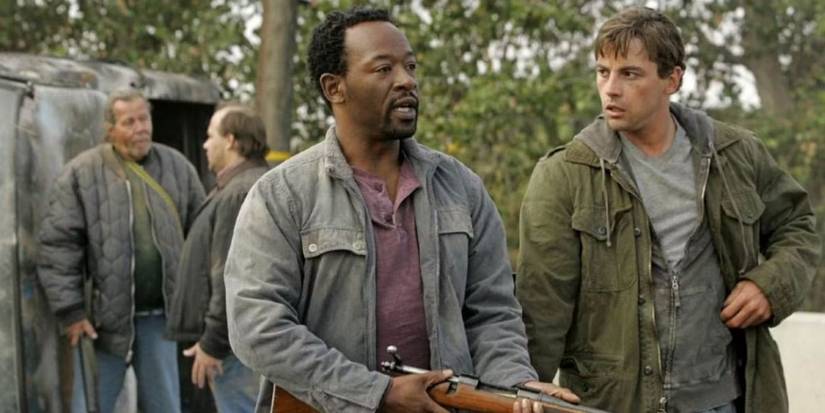
Lennie James as Robert Hawkins and Skeet Ulrich as Jake Green on the CBS series ‘Jericho’.Image via CBS
Jericho is a tough one to definitively say that it should’ve lasted only a single season. In a perfect world, it really should have been on the air for several more years since it was cancelled far too early. However, on this side of 2008, it may have been better if Jericho had been designed as a single-season upfront. The cult classic CBS series was the perfect conspiracy thriller to lean into our post-9/11 anxieties as it detailed a post-apocalyptic America where nuclear bombs detonated all across the country. Talk about a stellar premise.
However, Jericho was ultimately unable to deliver on everything it promised. Although a shortened second season allowed the series to end with a bit more finality, fans were once again distraught when CBS axed the program for yet a second time. Two IDW comic book continuations later, and the narrative is no closer to being complete. If Jericho were, in the style of Heroes’ first season, constructed as a one-and-done tale, all of our post-series questions could have been avoided.
‘’American Vandal’ (2017–2018)

Tyler Alvarez as Peter Maldonado and Griffin Gluck as Sam Ecklund wearing headphones in American Vandal.Image via Netflix
Another perfect example of a streaming series that was made to be a single season, American Vandal was a hysterical mockumentary that pushed two teenagers to investigate a costly prank on their high school that may or may not have been orchestrated by class clown Dylan Maxwell (Jimmy Tatro). A satirical take on the “true crime” drama, this highly bingeable production is one that will keep you guessing until the very end. But while the first season is basically perfect, Season 2 was unable to recapture that magic.
American Vandal was ultimately canceled after the second season, staining the legacy of the near-perfect parody series. Had it stuck to just that first season (as is, with no adjustments necessary), it could easily have remained a genuine classic long after its release. Instead, it has been lost in Netflix’s larger catalog of streaming content designed to bury older material.
‘The Mandalorian’ (2019–2023)
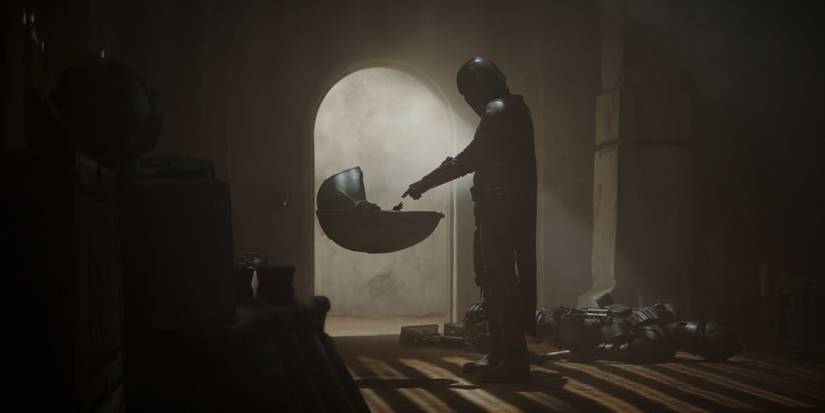
The Mandalorian meets Grogu at the end of ‘The Mandalorian’ Season 1, Episode 1Image via Disney+
When Star Wars first leaned into the live-action television space, The Mandalorian shocked audiences everywhere. Following the adventures of bounty hunter Din Djarin (Pedro Pascal), each episode delves into a new aspect of the science fiction universe. One week it was a space Western, the next a sci-fi samurai story, but no matter what form it took, we were thrilled to follow Djarin and his Force-sensitive Yoda-looking ward on each new adventure. The problem was, the longer it ran, the more serialized it became.
As The Mandalorian grew in popularity, it also grew in its importance to the expanding Star Wars universe. What it excelled at in the first season (which features some of the show’s best episodes), it began to lose as time went on, replaced by an overindulgence of Star Wars crossovers and the creator’s desire to carry on plotlines from previous franchise installments. It’s for this reason that we wish The Mandalorian had either stuck to its original format throughout or only lasted a single season.