
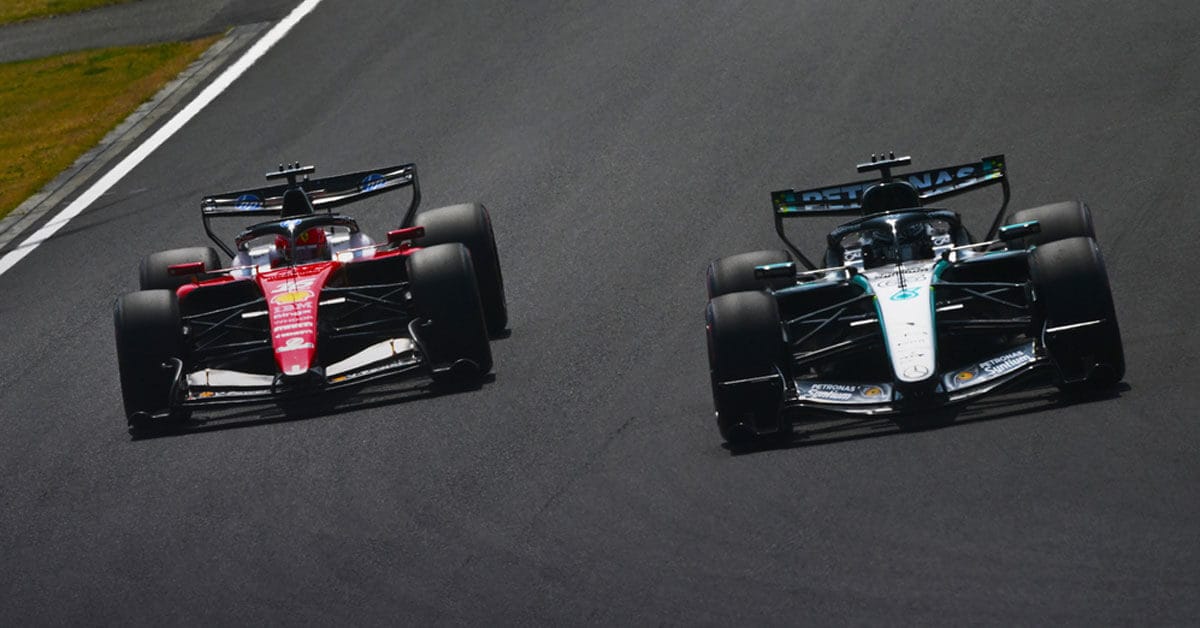
F1 aims for more overtakes
When Formula 1 decided to overhaul the regulations, one of the main objectives was to increase overtaking on track. To achieve this, the aerodynamic design of the cars was completely rethought, abandoning the ground effect principle in an effort to allow drivers to follow each other more closely. The new setup also takes advantage of the 50:50 split between internal combustion and hybrid power, giving drivers more options for overtaking and counter-overtaking maneuvers.
An unexpected trend
What we’ve seen in the first three races of the season has been surprising compared to recent F1 history. Overtaking has certainly increased, but almost all of it has come from battery deployment and energy management. This has created what the British media have already dubbed “yo-yo” situations, where drivers are forced—sometimes unintentionally—to overtake rivals who suddenly run out of battery. Such scenarios have even created dangerous moments, like Oliver Bearman’s incident at Suzuka, where he had to avoid Franco Colapinto’s Alpine.
A dizzying increaseRaceOvertakes in 2024Overtakes in 2025Overtakes in 2026Australia GP3545125China Sprint6539134China GP10290146Japan GP8528106Average71.7550.5127.5
Source: BBC
The numbers from the first races of 2026 speak for themselves: overtakes are up 152.97% compared to the same weekends in 2025. This represents a spectacular increase, roughly 2.5 times more than a year ago. The Japanese Grand Prix at Suzuka saw the largest increase: +278% compared to 2025, followed by the China Sprint: +243%.
As widely reported, F1 will review potential changes next week—on April 9—based on what has been seen in the first races of the season. However, there is a clear intent to maintain the level of spectacle currently being delivered on track.

Apr 4, 2026Elena Rossi
Let other Scuderia Fans know about us


