

Listen to this article
Estimated 4 minutes
The audio version of this article is generated by AI-based technology. Mispronunciations can occur. We are working with our partners to continually review and improve the results.
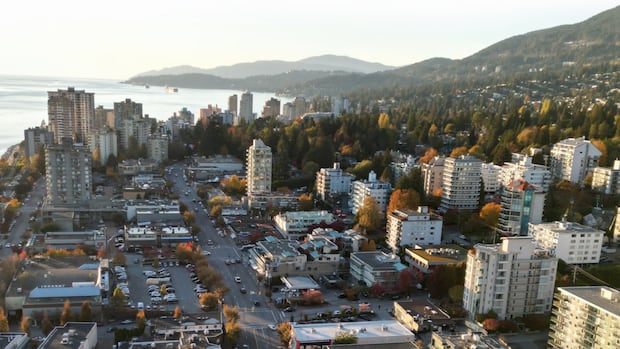
The B.C. government has finally overridden a months-long council stalemate in West Vancouver and approved a neighbourhood plan that will allow more housing to be built in the centre of the city.
The province announced Tuesday that it had changed the district’s Official Community Plan bylaw to include the Ambleside Centre Local Area Plan.
West Vancouver Mayor Mark Sager said the municipality expected the order to come.
“Honestly, there is no surprise,” he said. “I was happy that the minister took the time to call me personally and explain the rationale.”
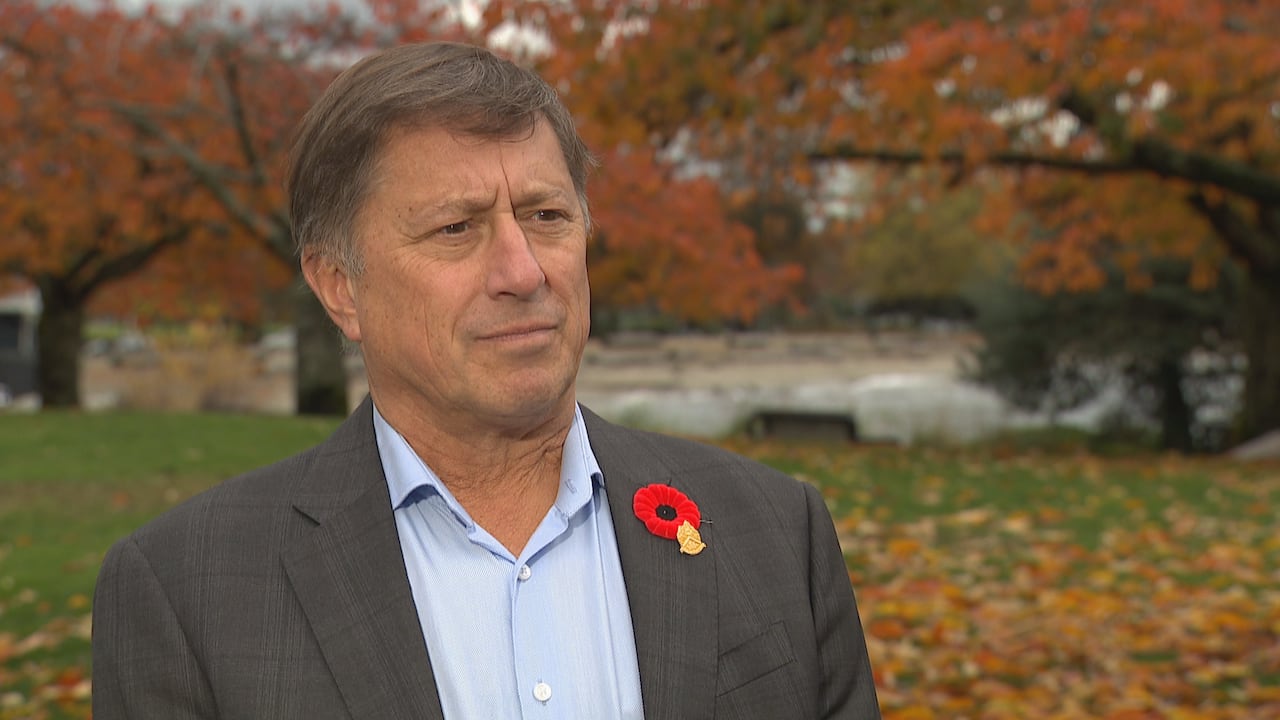 West Vancouver Mayor Mark Sager said he was unsurprised by the province’s move. (Martin Diotte/CBC)
The Ambleside plan, which prioritizes increased heights of up to four storeys through most of the Marine Drive corridor and allows taller buildings up to 16 storeys in specific areas, was developed by city staff but has proven politically contentious.
Council has been deadlocked in a 3-3 vote split for months, as the mayor owns property in the area and recused himself from voting.
The province said the change will “allow more homes to be built, while creating more opportunities for nearby shops, community spaces and improved sidewalks, with public infrastructure already included in the Ambleside Plan.”
The province said the city has failed in meeting a set target of 220 net new housing units, delivering only 58, and missed a Dec. 31, 2025, deadline to complete three provincial housing directives.
One of those directives was approving the Ambleside Plan.
The other two are to increase density in the Park Royal-Taylor Way area and to provide for increased density in the single- and two-family areas next to Ambleside and Dundarave.
The province said it issued the order for Ambleside, and not the other two directives, because the neighbourhood plan was already complete, public engagement had taken place, and technical studies were also finished.
“The plan was ready to move forward despite previously being withdrawn by council from its October 2025 meeting agenda, with no further direction to implement it,” said the province’s news release on Tuesday.
The province repeatedly said it would override the city if it did not pass the directives by the deadline.
Now West Vancouver is also required to do enhanced reporting for the other two directives, which are still in the drafting stage.
“We can certainly work with the minister on these issues,” Sager said. “You know, is anyone happy that the minister had to use an order-in-council on the local area plan? Probably not.”
WATCH | West Vancouver rejects province’s rezoning deadline in November: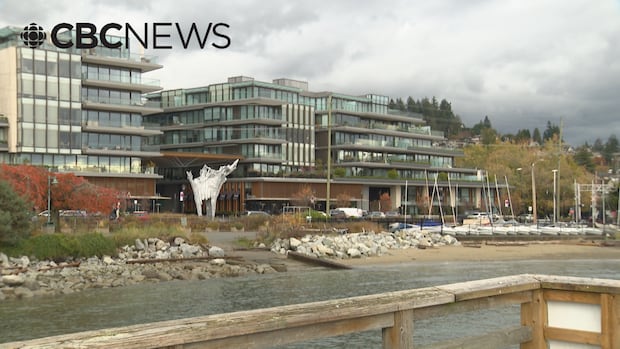
West Vancouver rejects B.C.’s deadline to rezone neighbourhoods for more housing
The B.C. government has threatened to take over West Vancouver’s housing policy if they don’t approve more density by the end of the year — and as Justin McElroy explains, the mayor seems ready to call the province’s bluff.
He added he’s pleased that the housing ministry will work with the district on the other two directives, as he said the community will never accept upzoning the area by Dundarave.
He agreed that councillors were generally not opposed to additional density in the Ambleside area, but they disagreed about specifics.
Sager said the province will have to stand by its decisions if there are residents unhappy with the order to override the municipality.
“I think that’s an issue that the provincial government in the next provincial election will have to deal with, whether that’s an appropriate use of their power or not.”
WATCH | West Vancouver, Oak Bay pushes back against housing directives:
West Vancouver, Oak Bay say province’s housing directives are unprecedented intrusion
West Vancouver is pushing back against the province’s housing directives. After failing to meet housing targets last year, the municipality has been ordered to make zoning changes and expand density plans by the end of this year. As Shaurya Kshatri reports, the district’s mayor says the government’s approach has been intrusive, rather than collaborative.
At an unrelated news conference on Wednesday, B.C. Premier David Eby said West Vancouver was not being treated differently than other municipalities, and argued the province’s housing targets were resulting in declining rents.
“As we were clear from the very beginning, this was not optional work,” he said.
“The vast majority of municipalities across the province engaged in this work in good faith because they understood the importance of this issue for British Columbians.”