
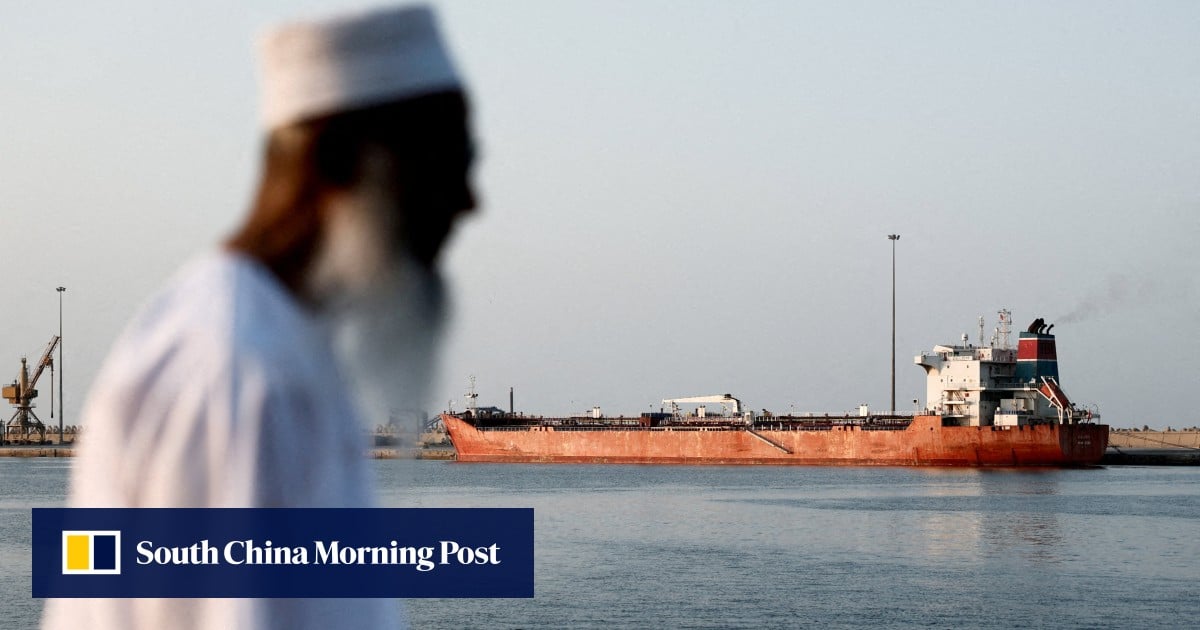
Global efforts to diversify energy sources are set to accelerate as the US-Israel conflict with Iran inflicts an unprecedented disruption on global supplies, analysts said, even as Washington and Tehran reportedly negotiate a reopening of the Strait of Hormuz.
While the two sides have agreed to a two-week ceasefire, they remain at odds over details of reopening the strategic waterway.
Despite the promised pause in hostilities, the conflict has already dealt a massive blow to international energy security, forcing nations to urgently reassess their reliance on volatile supply chains.
Before US President Donald Trump announced the ceasefire on Tuesday, Tehran reportedly proposed a new fee for all commercial vessels transiting the strait once it reopens – a move that could increase the cost of Middle Eastern crude and further incentivise a shift away from the region.
Following the ceasefire announcement, transit numbers did not immediately surge, according to Wednesday’s data from vessel-tracking platform Myvessel.cn, which showed that six vessels had passed through as of the late afternoon.
Fatih Birol, head of the International Energy Agency, underscored the gravity of the situation in an interview with Le Figaro published on Tuesday, stating that the current oil and gas crisis triggered by the blockade was “more serious than the ones in 1973, 1979 and 2022 together”.