
If you’re trying to take better care of your heart, you’re not alone, especially as data suggests heart health in the UK is declining.
According to the British Heart Foundation, heart health has declined faster in the early 2020s than in any decade since the 1970s. This is despite long-term progress from falling smoking rates and medical advances.
When it comes to protecting against serious conditions like cardiovascular disease, diet can play a big role, and we’re often told to cut back on obvious culprits like sugary drinks and fried food.
But some lesser-known kitchen staples may be quietly doing more harm than we realise – and many of them are labelled “healthy” on the supermarket shelves.
From plant-based picks to wellness favourites, here are five foods that might not be as heart-friendly as they seem.
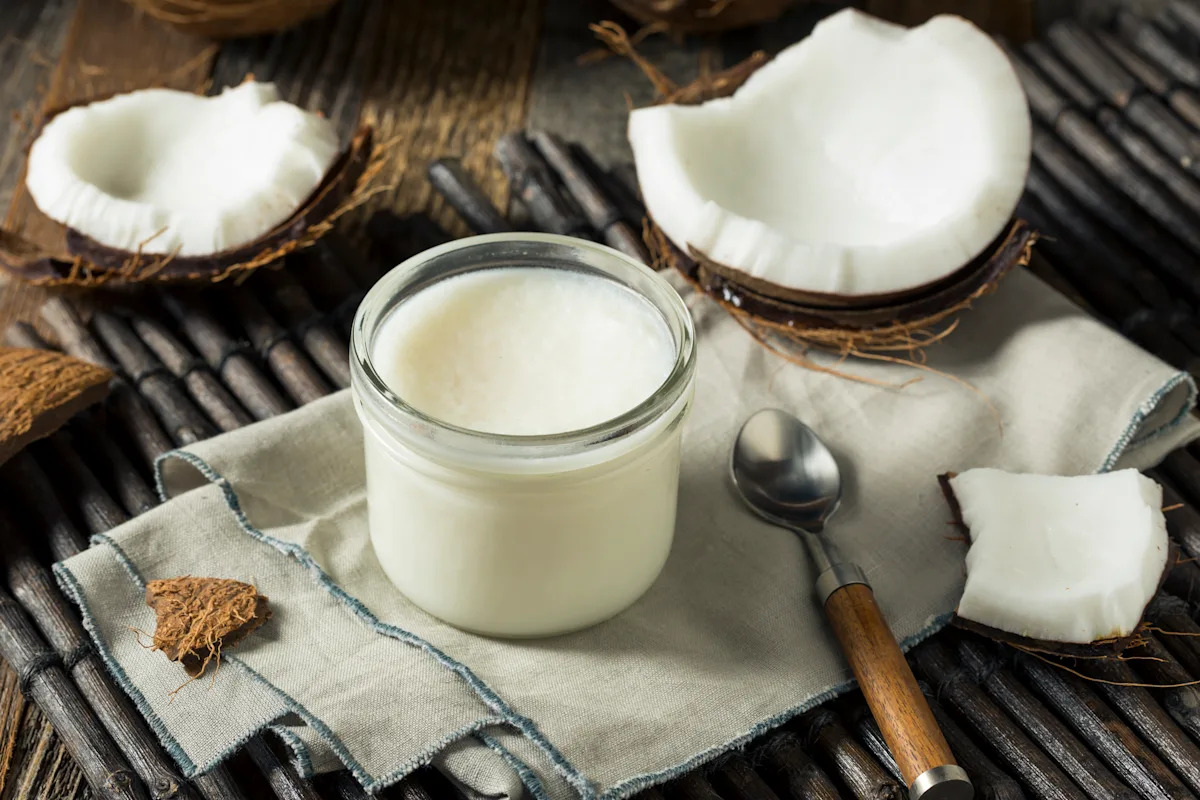
1. Coconut oil
Beloved by the “clean eating” bloggers of 2015, coconut oil has long enjoyed a reputation for being one of the healthier cooking oils.
But while some small studies have linked the medium-chain triglycerides (MCTs) in coconut oil with potential benefits for brain health, BFH says that most people are blissfully unaware that the plant-based cooking lubricant contains up to 86% saturated fat – roughly one-third more than butter.
Diets high in saturated fat are associated with increased bad (LDL) cholesterol in the blood, which is a risk factor for both stroke and coronary heart disease. The heart charity recommends using coconut oil in moderation and cooking with heart-healthy olive oil instead.
2. Fruit smoothies
Packed with a multitude of fruits and vegetables, shop-bought smoothies can be a convenient way to hit your five-a-day target.
But while it’s true they’re packed full of gut-friendly plant fibre, they can be surprisingly high in sugar and additives, as the blending process releases free sugars that can contribute to tooth decay, obesity and heart issues.
If you routinely enjoy a cold glass with your breakfast, you don’t need to give up the sweet stuff entirely. Instead, BHF recommends sticking to a 150ml daily serving to keep your sugar levels within the government-recommended guideline of no more than 30 grams per day.
3. Granola bars
When you’re rushing out of the door in the morning, a granola bar can be a quick energy boost that tides you over until you’re able to grab something more substantial.
But not all breakfast bars are made equal, and many come loaded with high amounts of sugar and saturated fat – with some hiding more calories than a chocolate bar.
It’s wise to be mindful of varieties that are dipped in chocolate and yoghurt, or have lots of sweet toppings like salted caramel chunks and chocolate chips. While these are completely fine in moderation as sweet treats, they’re often misleadingly sold as breakfast items, and won’t set you up for a healthy or nutritious start to the day.
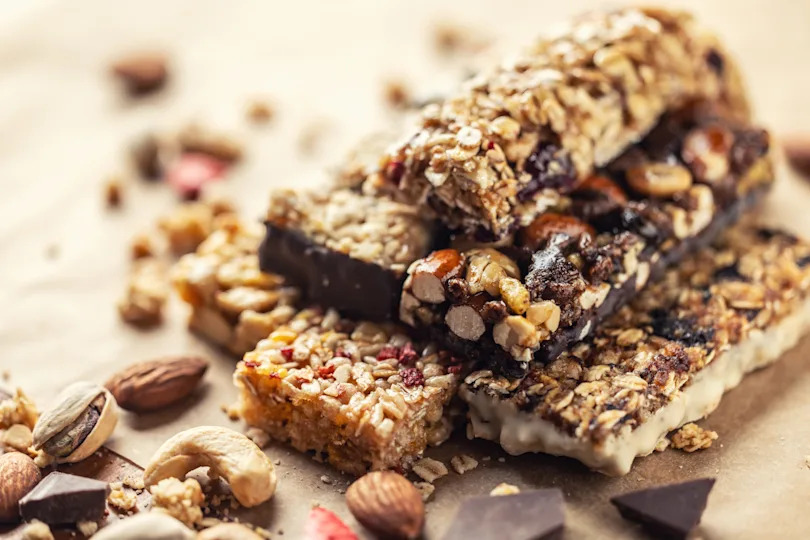
Granola bars coated in yoghurt and chocolate likely contain a lot of sugar.
(yahoo_style_uk_301)4. Plant-based ready meals
The rise of plant-based eating has brought a whole new category of vegan and vegetarian ready meals to supermarket shelves, many of which promise to be better for both you and the planet.
But some meat-free meals can be ultra-processed and packed with added salt, preservatives and saturated fat from ingredients like coconut oil or palm oil. Just because they’re plant-based doesn’t mean they’re healthy.
While these options can be convenient, it’s worth checking the nutrition label and ingredient list, aiming for meals with whole ingredients you recognise, lower salt levels (ideally less than 1.5g per 100g) and less saturated fat.
5. Dairy-free ice cream
Dairy-free alternatives have grown in popularity in recent years, but some varieties of lactose-free ice cream can have high amounts of added sugars or syrups to compensate for the lack of creaminess found in cow’s milk.
Many vegan ice creams are also made with coconut oil or coconut cream, which are high in saturated fat – some more so than traditional dairy versions.
If you’re keen to understand the fat and sugar content of the foods you regularly buy, the BHF advises learning to read nutrition labels.
Foods are often marketed as “healthy” but don’t always live up to the claim. Since brands use different ingredients and manufacturing methods, products that look almost identical on the shelf can carry very different risks for heart health.
As a general rule of thumb, look for foods that contain:
Low amounts of saturated fat
A shorter ingredients list that limits ultra-processed additives and preservatives.
A heart-healthy diet should include:
Plenty of fruits and vegetables
Wholegrains like oats, brown rice and wholemeal bread
Healthy protein-rich foods such as lean poultry, nuts and seeds, cheese, milk and yoghurt
Healthy fats like avocados and olive oil
Herbs for seasoning rather than salt, especially if you struggle with high blood pressure