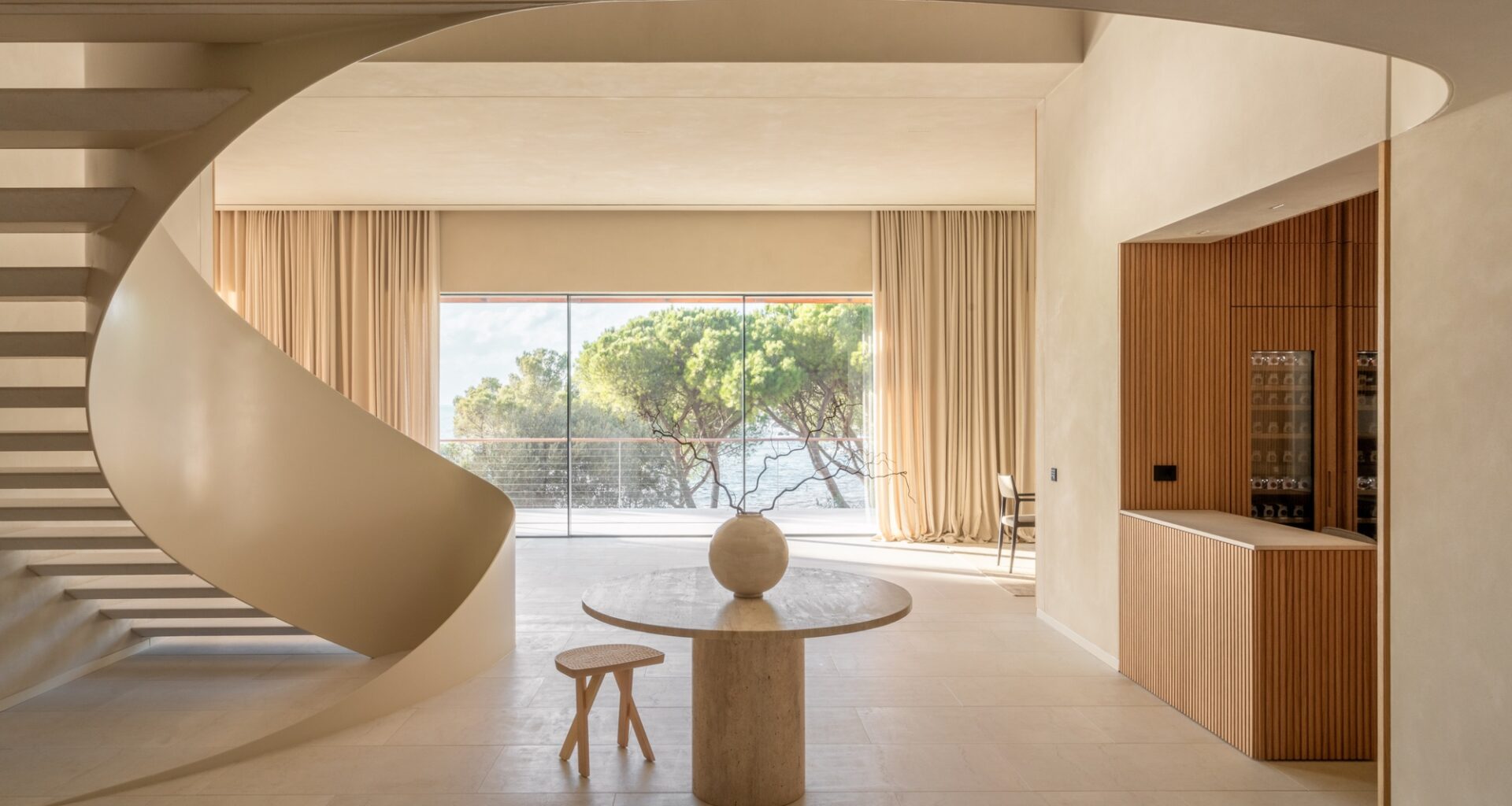
 © Anna Positano, Gaia Cambiaggi | Studio Campo
Share
Or
https://www.archdaily.com/1040411/villa-in-recco-gosplan-plus-giordano-hadamik-architects-plus-caarpa-plus-studikey
Area
Area of this architecture project
Area:
750 m²
Year
Completion year of this architecture project
Year:
Photographs
Manufacturers
Brands with products used in this architecture project
Manufacturers: Flexform, Santa & Cole, Atelier 278, Carl Hansen, Cassina, De Padova, Dedon, Ethimo, Ethnicrafts, Filva Srl , Frama CPH, Fred Rigby, GUBI, Gloster, Gubi, Lumina, Monolith, Mor Design, Piet Boon , Project 213A, +10Roda, Studio 125, The Corner Studio, Tribu, URBI ET ORBI, Up&Up, Vitra, Zanat, studio.skey, wdstck
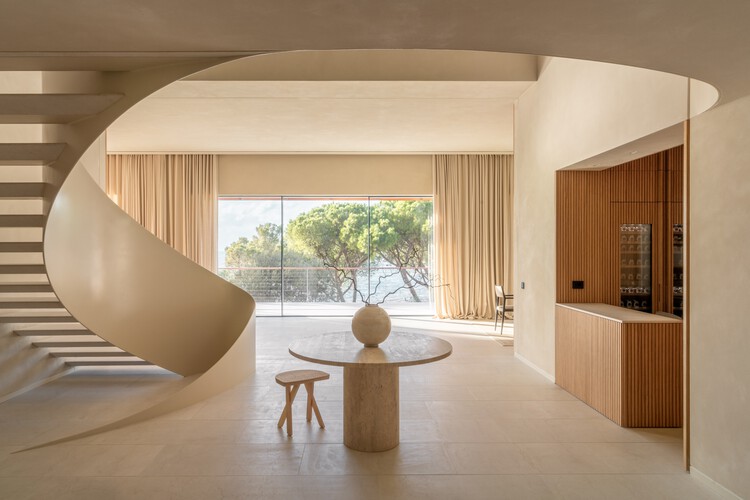
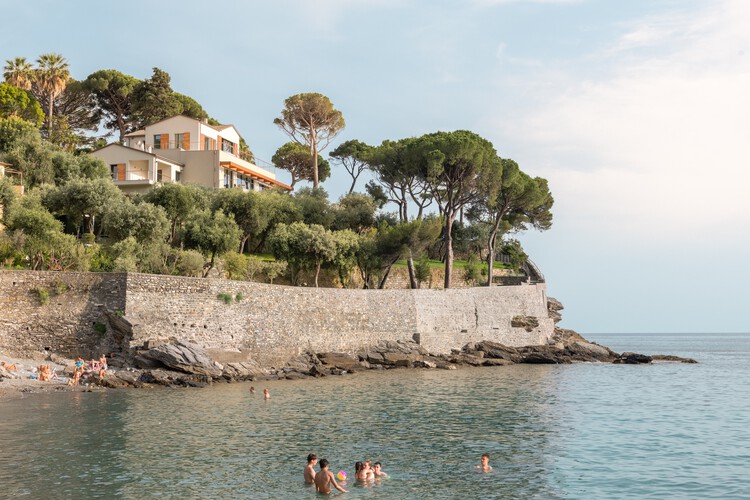 © Anna Positano, Gaia Cambiaggi | Studio Campo
Text description provided by the architects. On November 10, 1943, the city of Recco was destroyed forever. Twenty-two bombers of the British Royal Air Force dropped 33 tons of explosives, attempting to demolish the railway bridge, an iconic element of the town and a crucial point for the supply of Nazi-fascist troops. The bombing caused the deaths of numerous civilians and almost completely destroyed the characteristic Ligurian village. The town was razed to the ground. On November 11, the landscape around the railway bridge bore the spectral image of one of the most picturesque villages on the Levante coast: Recco was now only a memory, with only a few houses and a few scattered monuments left intact. During the years of reconstruction, some renowned architects were called upon to revive the town, including Luigi Vietti, the designer of the Town Hall building. Among the victims of the bombing was a large part of a beautiful Franciscan complex dating back to the 1400s, of which the church was almost entirely destroyed.