
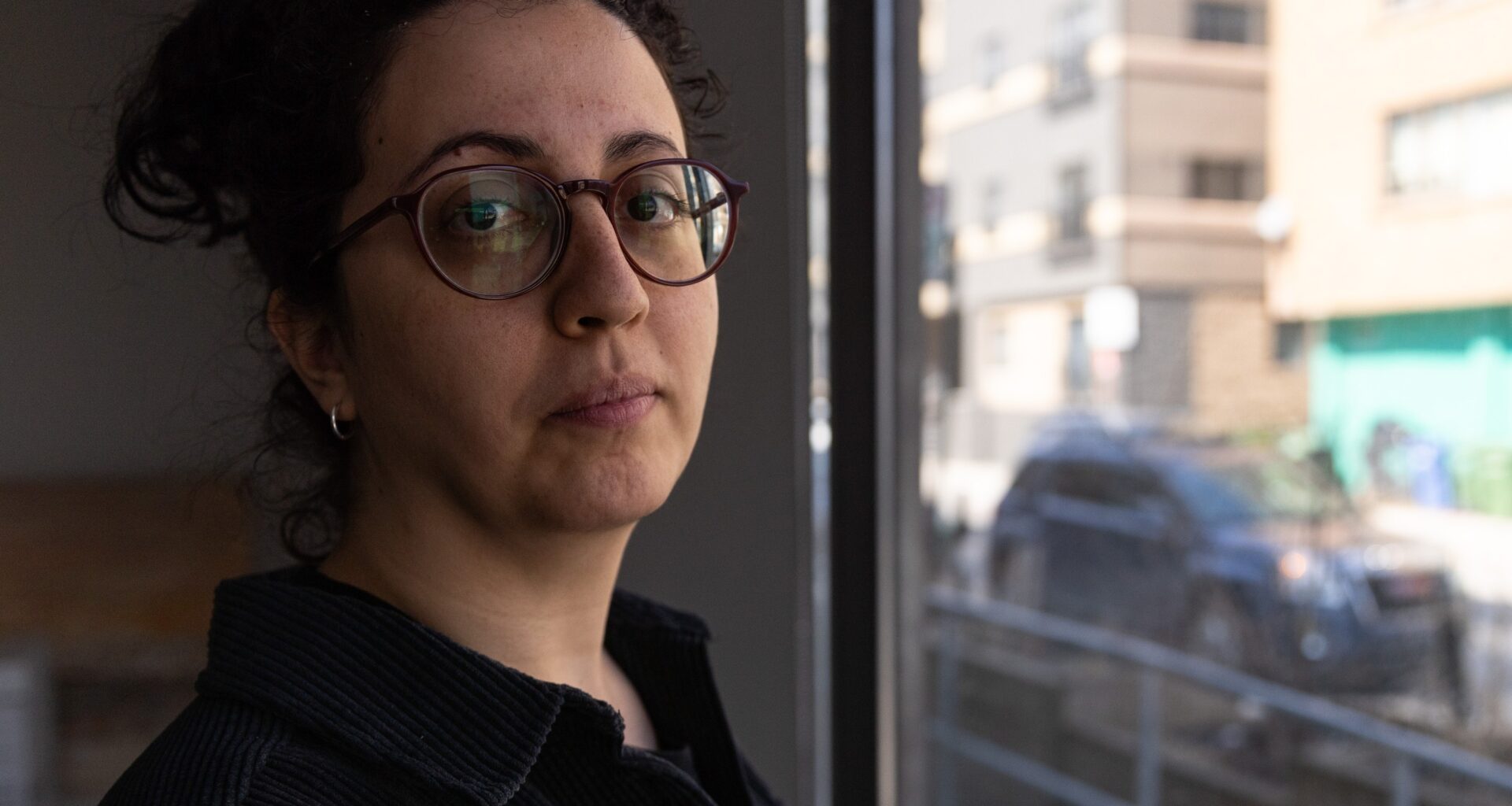
After feeling “betrayed” by the city last year, civil-rights groups in Montreal plan to once again press city hall to change bylaws they argue lead to profiling and disproportionately target unhoused people.
Advocates have pushed the city to change certain municipal bylaws — such as those prohibiting sleeping on a bench — for the last decade. Yet a formal review process was abruptly abandoned by former mayor Valérie Plante last year.
They now intend to ask the new Martinez Ferrada administration at city hall to relaunch the process — an effort Montreal’s police chief, Fady Dagher, says he supports.
“I’m open to it,” Dagher told The Gazette in a recent interview. “I recognized (before) that some of them can lead to profiling, either racial or social profiling. So, how can we limit it?”
The idea of reviewing the bylaws dates back to at least 2017, when it emerged as one of the recommendations following a public consultation on social and racial profiling in Montreal.
The city launched a formal review in collaboration with community groups in 2019, focusing on a dozen or so bylaws, but the process largely stalled during the COVID-19 pandemic.
The review resumed and continued through 2024, until Plante sent a letter to the groups in early 2025 informing them the city was ending the process since it was “difficult to reach a consensus” on the issue.
In her letter, Plante pointed to the worsening homelessness and opioid crises, and an increase in the number of people living with untreated mental health issues in public spaces.
“We believe that the current circumstances are not conducive to reviewing municipal bylaws,” she wrote.
Lynda Khelil, of the Ligue des droits et libertés, said groups behind the initiative are now preparing to formally ask the new administration and Mayor Soraya Martinez Ferrada to reopen the review process.
“For us, it’s a necessity,” Khelil said in an interview. “It’s a project that needs to be restarted quickly, and without creating another process that drags on for years.”
While Khelil welcomed Dagher being open to the idea, she also warned the police department should not have a “predominant influence” over deciding which bylaws should be amended.
Dagher agreed with the notion.
“I should never make the rules and enforce them, I can’t do that,” the police chief said, adding it’s the city’s responsibility to decide which bylaws to amend. Still, he noted, “sometimes, there are some rules where, you wonder who created these bylaws.”
A spokesperson for Martinez Ferrada’s office declined to directly address whether she is willing to reopen the review process, saying only the mayor “is always open to discussing with the SPVM on ways to improve interactions between police and residents.”
Groups say bylaws target unhoused, lead to over-ticketing
The review mainly focused on a dozen municipal bylaws the groups identified as particularly problematic, including those covering the misuse of street furniture, loitering, alcohol consumption and obstructing pedestrian traffic.
Advocates argue in some cases, the bylaws directly target things unhoused people need to do to survive, such as sleeping on a bench or being in a park after closing hours.
Others are so broadly written they open the door to profiling, they say, contributing to the over-ticketing of unhoused people.
“They are a way to target a very vulnerable population and clear them off the streets,” said Donald Tremblay of the Clinique juridique itinérante, a legal clinic that helps the unhoused. “And at the end of the day, it serves absolutely no purpose. It doesn’t solve any problem.”
Annie Savage of the Réseau d’aide aux personnes seules et itinérantes de Montréal (RAPSIM), a network that represents more than 100 groups that support unhoused people, echoed that view.
Savage said community groups that took part in the process over the years were “extremely shocked” by the city’s reversal last year, given the time and effort they had invested in the review.
The RAPSIM will soon be releasing a report detailing how the relationship between unhoused people and the city’s police officers remains difficult despite recent efforts from the department, Savage said.
She sees reviewing the bylaws as a concrete step in the right direction.
“There’s a lot to work on, and it can’t only be symbolic,” Savage said. “In that sense, restarting the review is absolutely necessary.”
Editor’s Picks