
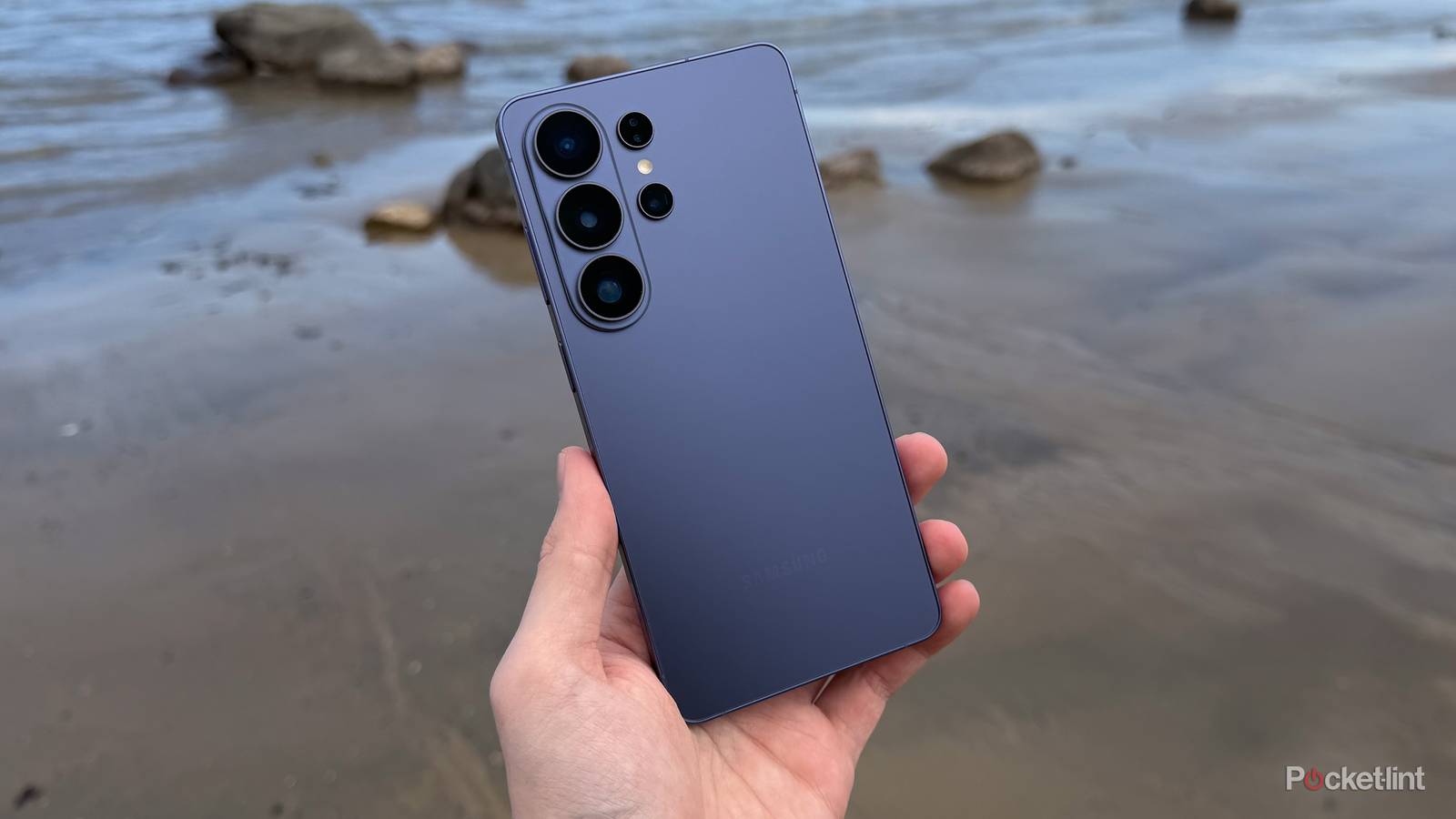
When I first got my hands on the Galaxy S26 Ultra during a preview event just before Galaxy Unpacked in February, I’ll admit I was pleasantly surprised by some of the changes Samsung made this year.
Honestly, going into the S26 series launch, my expectations were pretty low, given all the leaks suggesting the phones would be almost identical to the S25 lineup. And yes, the S25 Ultra and S26 Ultra share a lot of similarities, but there are also a few unexpected differences that help the S26 Ultra really stand out, including the new Privacy Display feature and an updated camera design.
Now, I don’t think I’m shocking anyone by saying this right off the bat, but if you already have an S25 Ultra, or even an S24 Ultra, the S26 Ultra probably isn’t for you, as it’s just another iterative update rather than a major overhaul. But if you’re coming from an older Samsung flagship, like the S23, S22, or S21 Ultra, and have been patiently waiting to upgrade, there’s a lot to like about the S26 Ultra, especially since it maintains the same $1,300 starting price as last year.
After spending the past couple of weeks with the S26 Ultra, I’ve come away really impressed. Yes, it has a couple of notable shortcomings (seriously, where are the magnets?), but the positives far outweigh the negatives here. It’s become my new favorite Android phone — and one I’m going to have a hard time saying goodbye to after this review period.

4/5
SoC
Snapdragon 8 Elite Gen 5
Display
6.9-inch Dynamic Super AMOLED 2X
RAM
12 or 16 GB
Samsung’s Galaxy S26 Ultra comes packed with the latest Snapdragon 8 Elite Gen 5 chipset, a new Privacy Display feature within its 6.9-inch OLED screen panel, and a powerful quadruple rear camera setup.
Pros & Cons
Powerful performance
Sleek design
Privacy Display
Excellent cameras
No built-in magets for full Qi2 support
S-Pen lacks Bluetooth
Price, availability, and specs
Samsung unveiled the Galaxy S26 Ultra in February, with the phone officially launching in March 2026, starting at $1,300. It’s available in three storage options: 256GB, 512GB, and 1TB, with the 1TB model getting a bump to 16GB of RAM, while the 256GB and 512GB versions come with 12GB of RAM.
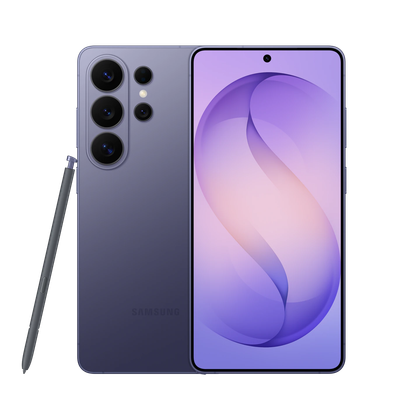
The S26 Ultra comes in three standard colors: Cobalt Violet, Black, and Sky Blue. Samsung is also offering two online-exclusive colors on its website: Pink Gold and Silver Shadow.
Similar to the S25 Ultra, the S26 Ultra features a 6.9-inch 3,120 x 1,440 pixel-resolution AMOLED display with a 120Hz refresh rate and 2,500 nits peak brightness. It measures 163.6 x 78.1 x 7.9 mm and weighs 214g.
Under the hood, the S26 Ultra is powered by Qualcomm’s latest high-end chipset, the Snapdragon 8 Elite Gen 5, and features a 5,000mAh battery.
As for the cameras, the S26 Ultra’s rear camera array features an f/1.4 200-megapixel wide, an f/2.9 50-megapixel 5x telephoto, an f/2.4 10-megapixel 3x telephoto, and an f/1.9 50-megapixel ultrawide. On the front, it has an f/2.2 12-megapixel selfie camera.
SoC
Snapdragon 8 Elite Gen 5
Display
6.9-inch Dynamic Super AMOLED 2X
RAM
12 or 16 GB
Storage
256GB, 512GB, or 1TB
Battery
5,000 mAh
Operating System
Android
Rear camera
f/1.4 200-megapixel wide, f/1.9 50-megapixel ultra-wide, f/2.4 10 megapixel 3x telephoto, f/3.4 50-megapixel 5x telephoto
Colors
Violet, Sky Blue, Black, White, Silver Shadow, Pink Gold
Weight
214g
Charge speed
60w Super Fast Charging 3.0
What I liked about the Galaxy S26 Ultra
Samsung nailed the design and performance
The first thing I’ll praise right off the bat about the S26 Ultra is its performance, which isn’t a surprise, considering it’s powered by Qualcomm’s top-tier Snapdragon 8 Elite Gen 5 chipset. I was already impressed with the Snapdragon 8 Elite in last year’s S25 series, as well as in the Galaxy Z Fold 7 and Z Flip 7, so the jump to the 8 Elite Gen 5 here is fantastic.
In everyday use, it handled everything I threw at it without breaking a sweat, whether I was using image editing tools, playing games, or juggling multiple apps at once. For those who like the numbers, Geekbench 6’s CPU test returned scores of 3,677 for single-core and 11,225 for multi-core — a solid jump over the S25 Ultra’s 3,104 single-core and 9,833 multi-core results.
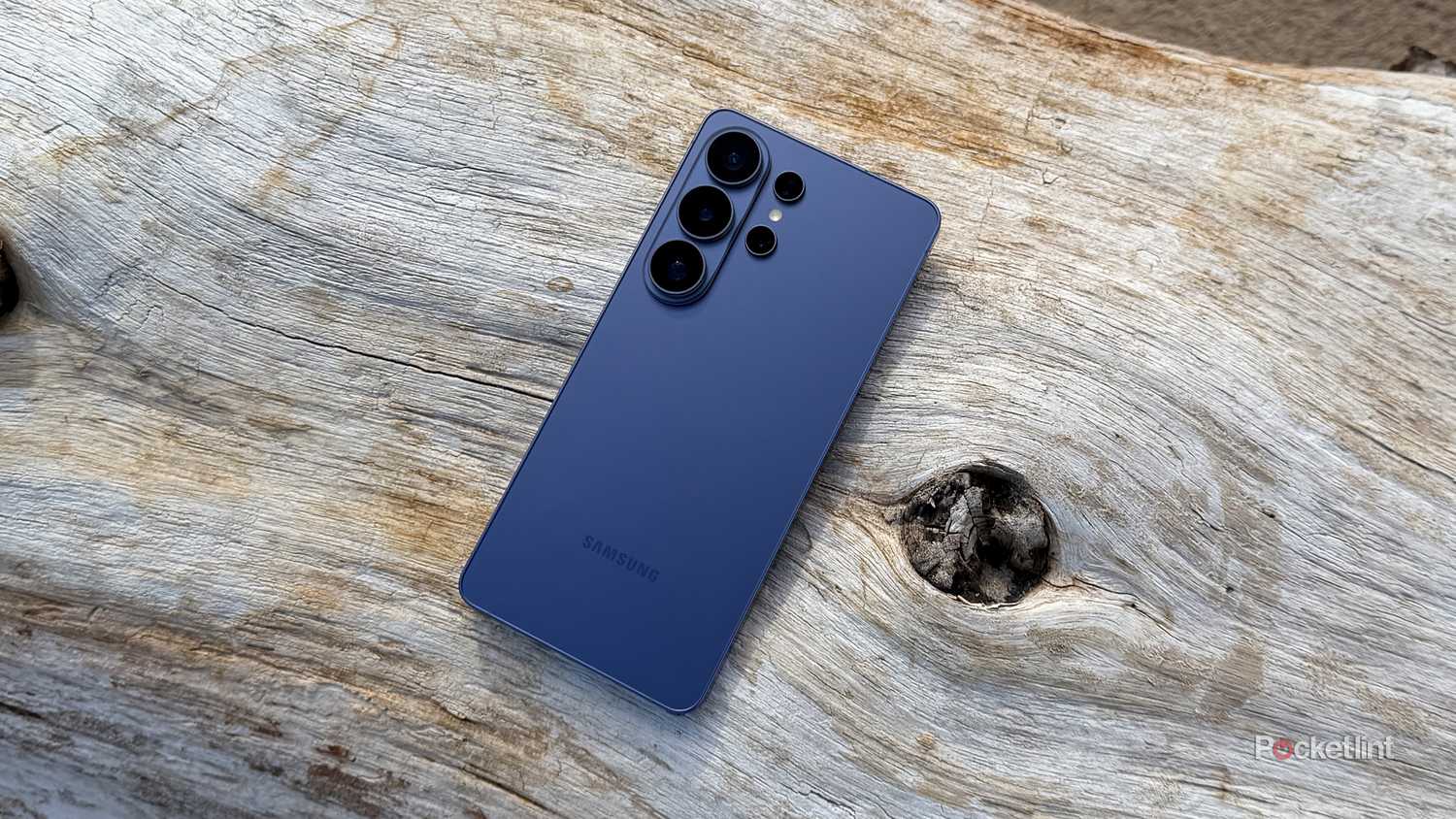
Next up, I want to focus on the design of the S26 Ultra, which I think is the best-looking flagship Samsung has ever released. For the most part, it’s similar to the Galaxy S25 Ultra. It’s sleek, premium, and unmistakably Samsung, but there are two notable changes.
First, Samsung has swapped the titanium frame for an aluminum one, similar to what Apple did with the iPhone 17 Pro. Why Samsung did this likely comes down to cost savings and improved thermal performance. In day-to-day use, I didn’t notice much of a difference compared to the S25 Ultra’s titanium build, and the phone never felt too hot, so the change to aluminum doesn’t bother me.
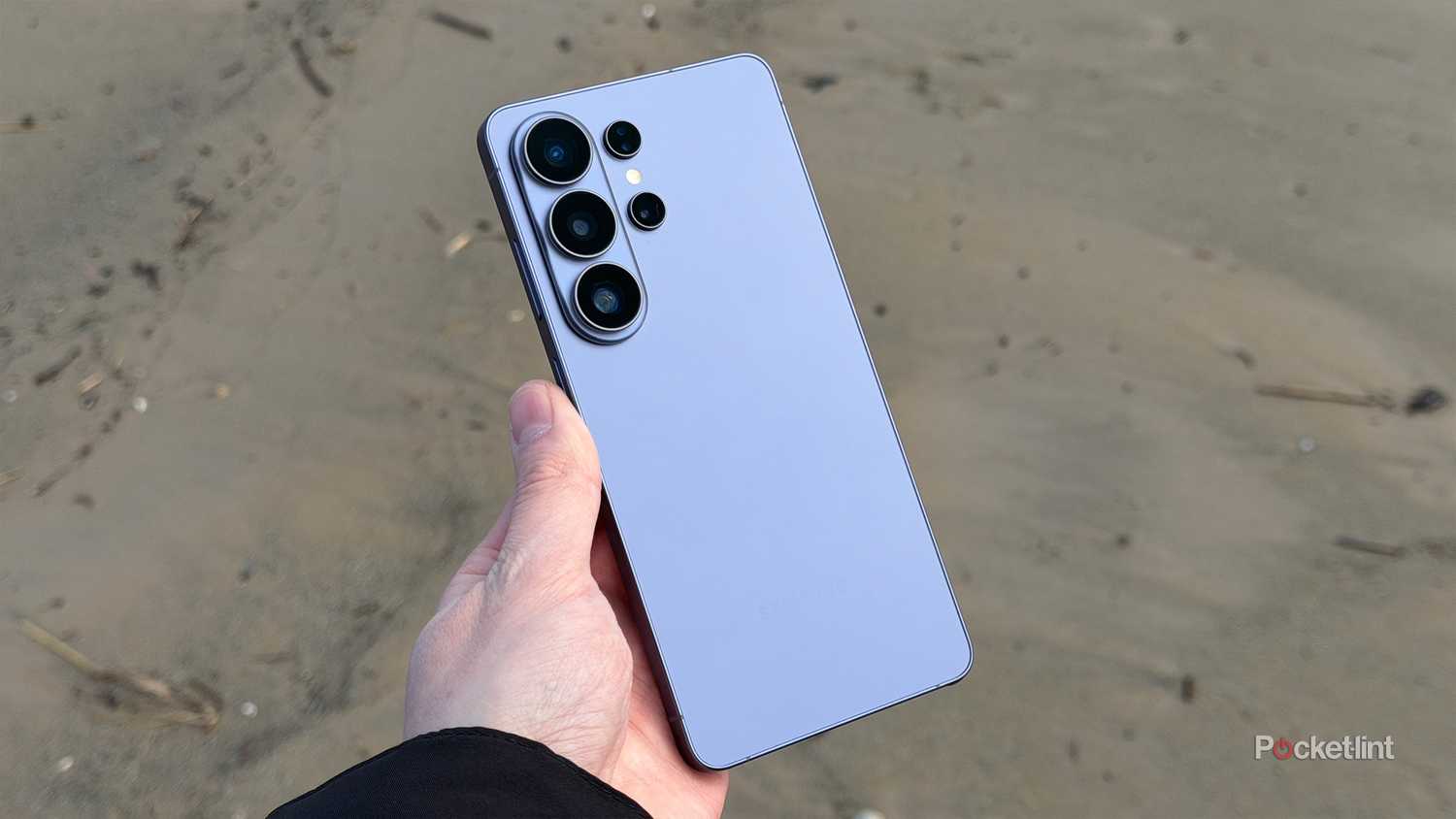
The second tweak is around the rear camera. Instead of sitting directly on the back of the phone as before, the camera lenses are now housed in a pill-shaped camera island. It’s reminiscent of the Galaxy Z Fold 7, and I actually really like it. It feels fresh, stands out a bit more, and helps give the phone a more distinct look compared to the iPhone 17 Pro and Google Pixel 10 Pro.
Additionally, the S26 Ultra has slightly more rounded edges this year. I know some people prefer the boxier look of older Ultras like the S24 Ultra, but I find the softer curves more comfortable in hand and, honestly, better looking too.
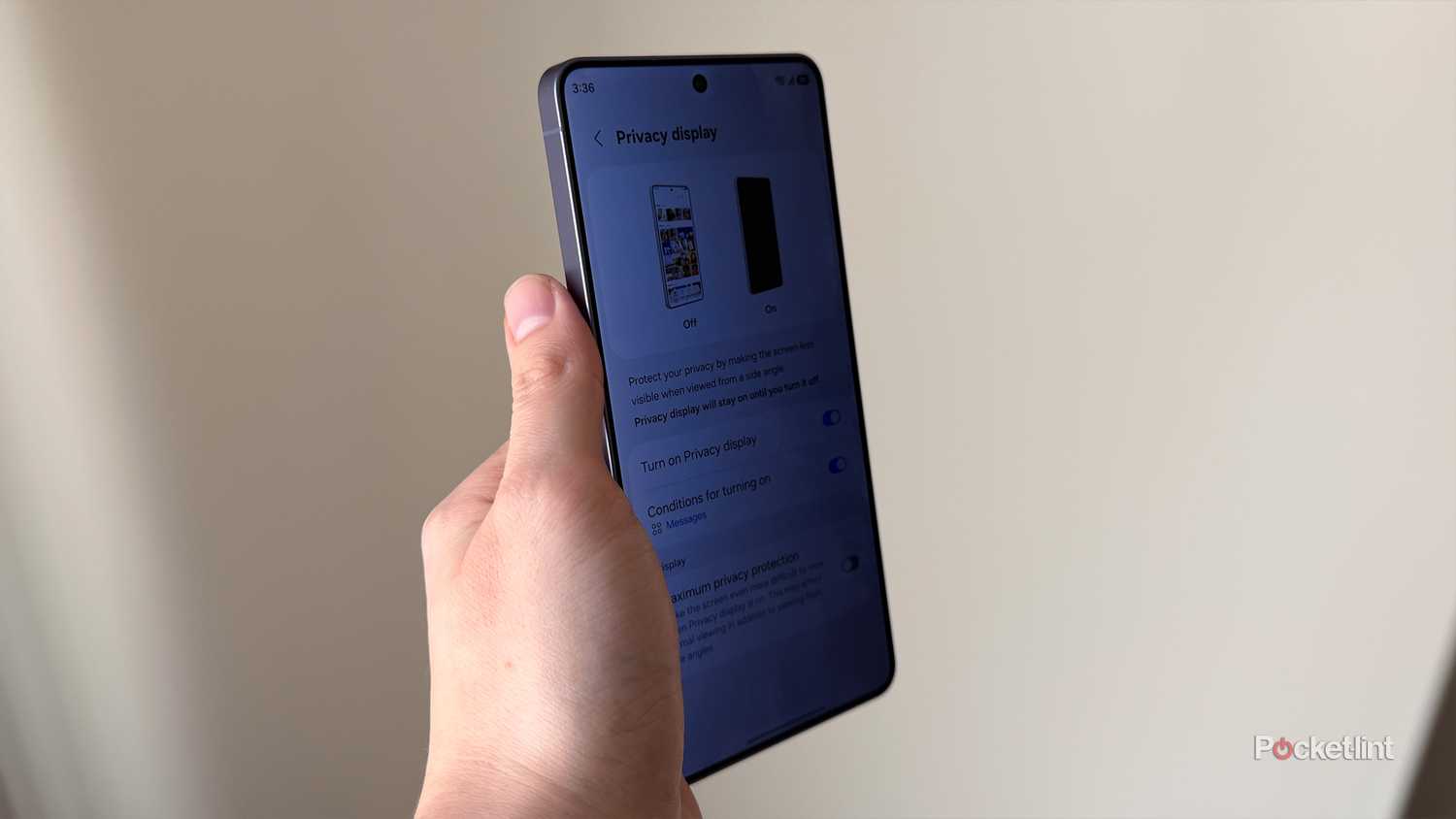
Another big change Samsung has made to the S26 Ultra is the addition of its new Privacy Display feature, which makes it harder for people to see what’s on your phone screen when viewing it from an angle (as you can see in the image above). If you’ve ever used a privacy screen protector before, it’s essentially like having one built directly into your phone’s screen, but you can enable or disable it whenever you like. It works incredibly well, and what’s even better is that you can customize it to automatically turn on depending on the app you’re using, such as messages or banking. The S26 Ultra is the first phone to ever have a feature like this, and now it’s something I wish every phone had.
The cameras on the S26 Ultra are nearly identical to those on the S25 Ultra, with the only difference being that its 200-megapixel wide lens has a wider f/1.4 aperture, which lets in more light. Although the cameras are similar to the S25 Ultra, that’s not a bad thing at all, as the S26 Ultra can take some stunning photos with lots of great detail, and I really love how the colors pop in them. You can check out some of the photos I snapped during a walk on the beach below.
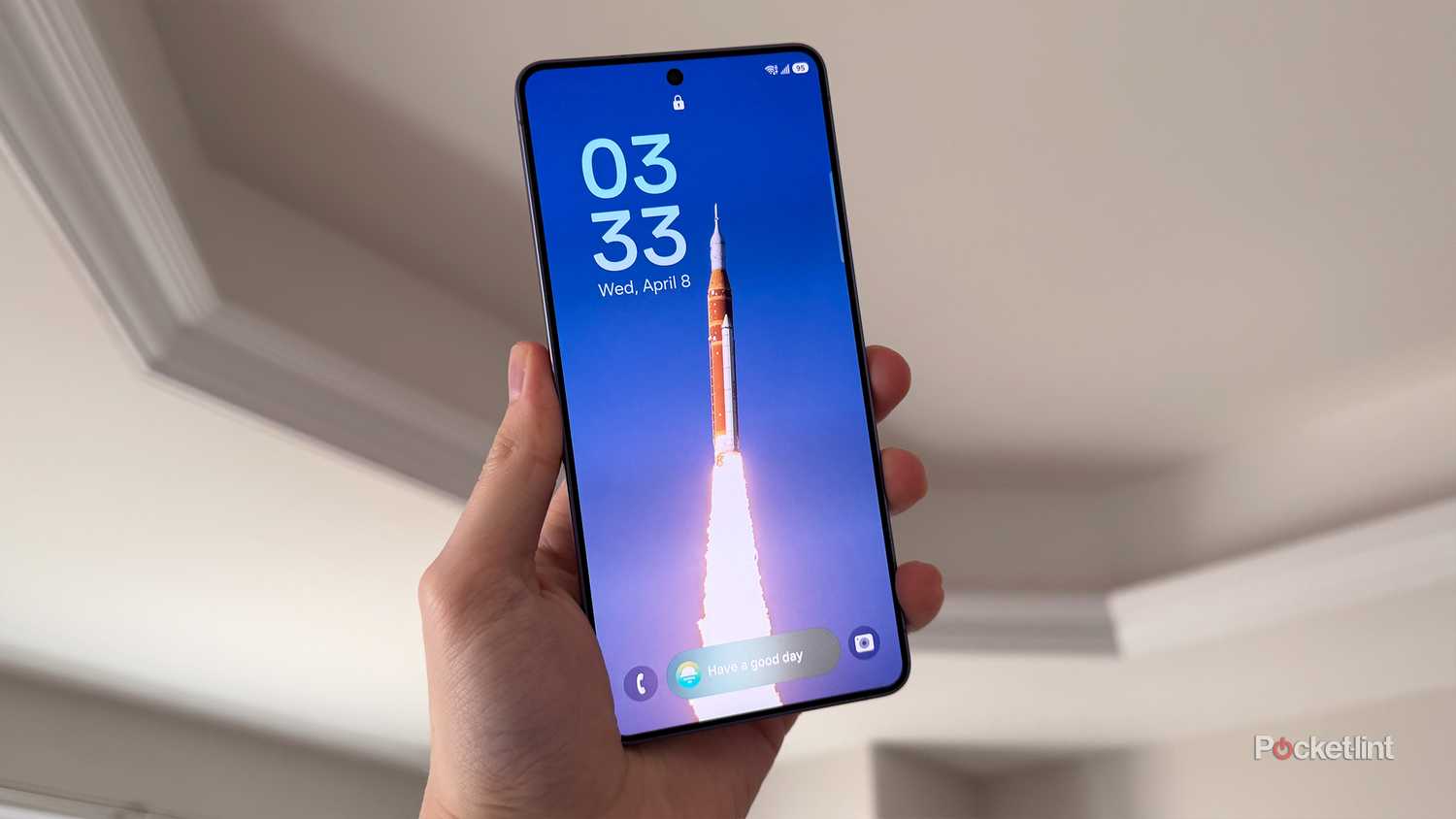
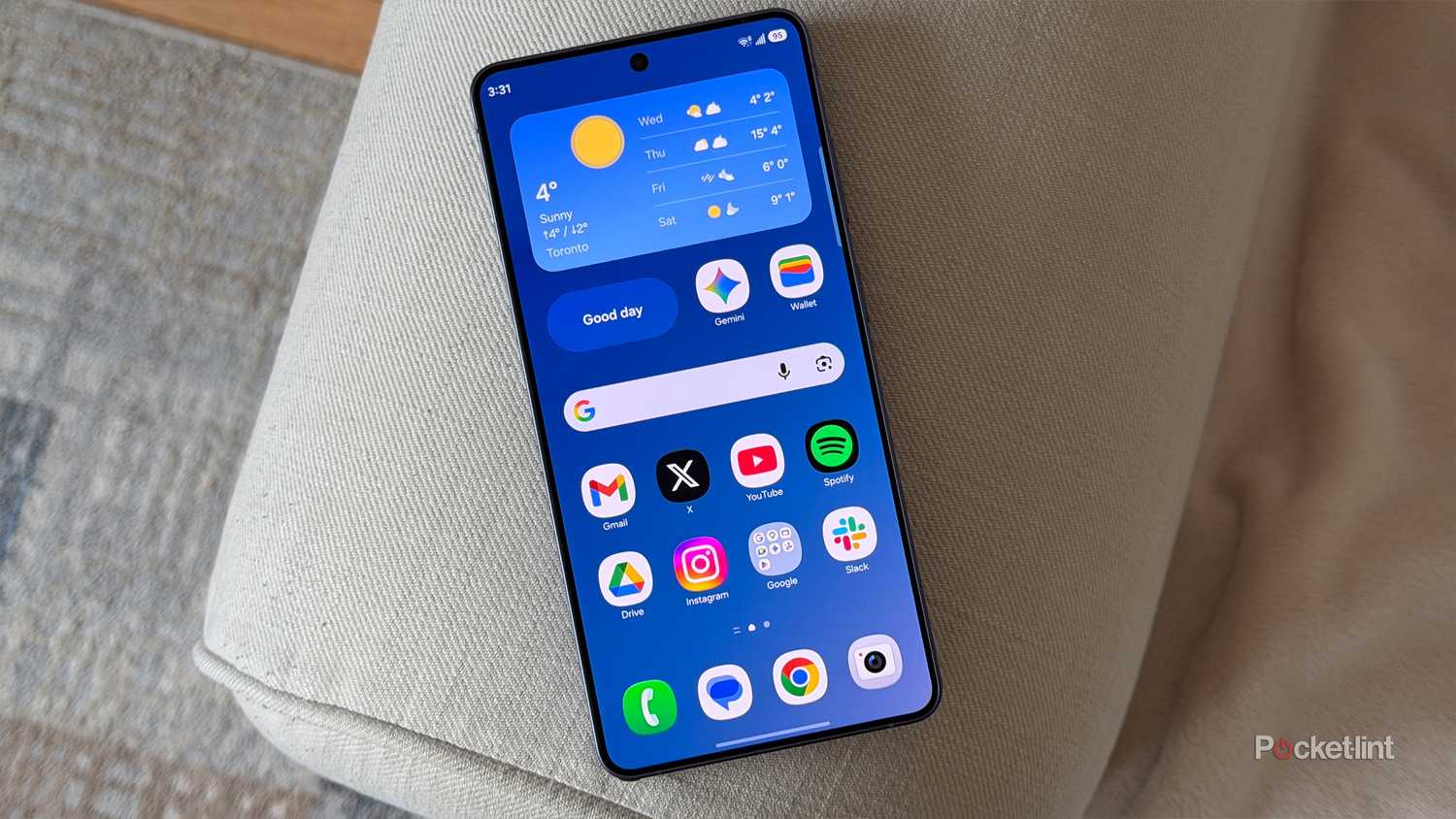
Finally, I want to highlight a few other things I really liked about the S26 Ultra. The 6.9-inch 1440p display is gorgeous, and I really enjoyed using One UI 8.5. It offers a ton of customization options, so you can dial in your lockscreen and homescreen exactly how you want, and the overall performance of One UI feels silky smooth thanks to the S26 Ultra’s stacked hardware.
There’s also a new video feature called Horizontal Lock, which keeps your footage steady and properly oriented while you’re filming, which I found neat. And then there’s Now Brief, a handy AI feature that does a decent job of summarizing my day and even recommending YouTube videos to check out.
What I didn’t like about the Galaxy S26 Ultra
No magnets for Qi2 is a major letdown
My biggest complaint about the S26 Ultra is its lack of built-in magnets for full Qi2 support.
When Google added magnets to the Pixel 10 series last year, offering an experience similar to Apple’s MagSafe, which Google dubbed Pixelsnap, I thought for sure that Samsung would follow suit this year with the Galaxy S26 series and finally add magnets to their phones. But alas, magnets are nowhere to be found on any of them.
If you don’t charge your phone wirelessly often, this may not be as big a deal to you, but I think it’s silly that Samsung still hasn’t come up with its own version of MagSafe. I charge my devices wirelessly every day, so this matters a lot to me, and it’s a shame Samsung still hasn’t found a way to do this without having to buy a case with a built-in magnet.
Aside from the lack of magnets, another thing I have to mention is that, once again this year, Samsung has opted not to include Bluetooth capabilities in the S Pen. To be honest, I didn’t find myself using the S Pen at all during my time with the S26 Ultra because of this.
The last gripe I have with the S26 Ultra is its battery. Don’t get me wrong, at 5,000mAh, it’s quite large, and at the end of most days for me, which involved messaging, taking photos, doomscrolling social media, and watching YouTube videos, I found myself with around 30 percent charge left. While that’s good, I feel like Samsung could’ve pushed the envelope here more and incorporated an even larger battery into the S26 Ultra, as OnePlus did with the OnePlus 15’s massive 7,300mAh battery. The S26 Ultra has the same 5,000mAh battery as the S24 Ultra and S25 Ultra, so for three years now, Samsung hasn’t changed anything, and I believe it’s long overdue for some innovation in this department to push for even longer battery life.
Should you buy the Galaxy S26 Ultra?
If you’ve been waiting to upgrade, you won’t be disappointed
Ultimately, my recommendation for the S26 Ultra comes down to the device that’s already in your pocket. If you’re using an S25 Ultra or even an S24 Ultra, there’s really no compelling reason to upgrade to the S26 Ultra, as it’s just too similar to what came before.
However, if you’re coming from an older Samsung flagship like the S22 or S23 Ultra, or even a base model like the S23 or S24, and want to step up to an Ultra, the S26 Ultra offers a lot of value. You’re getting strong performance, powerful cameras, a sleek design, and the new Privacy Display, a first-of-a-kind feature no other phone has.
Honestly, if Samsung had added magnets for Qi2 and bumped up the battery a bit, I’d call this the perfect Android phone. Even so, those are minor drawbacks, and the S26 Ultra is still an excellent smartphone, one you likely won’t regret picking up if you’ve been holding out for a big upgrade for a few years.
This device was provided to Pocket-lint by Samsung.