

There is a moment in Sex and the City, when the well-heeled Carrie Bradshaw realises that her collection of a hundred pairs of shoes “at 400 bucks a pop” could have been a house deposit.
With the average house in England costing seven times the average salary, this scenario is even less likely than it was in 2002. Perhaps because of this some young women have a new role model: the “frugal chic” influencer.
Mia McGrath, 25, studied fashion management at Nottingham Trent and worked in the fashion industry before quitting her day job last September to guide half a million followers to be “frugal chic”.
The term, which McGrath has trademarked, means “trying to live a luxurious life while spending intentionally”, and boils down to shopping less, and being savvy with your money.
“I think the reason this trend has taken off is because people are tired of the narrative that excess is the aspiration, and more is always more,” she said. “That Sex and the City phase of life is what we grew up aspiring to have, but I don’t think our current economy allows for that with average salaries, rent prices and the cost of living.”
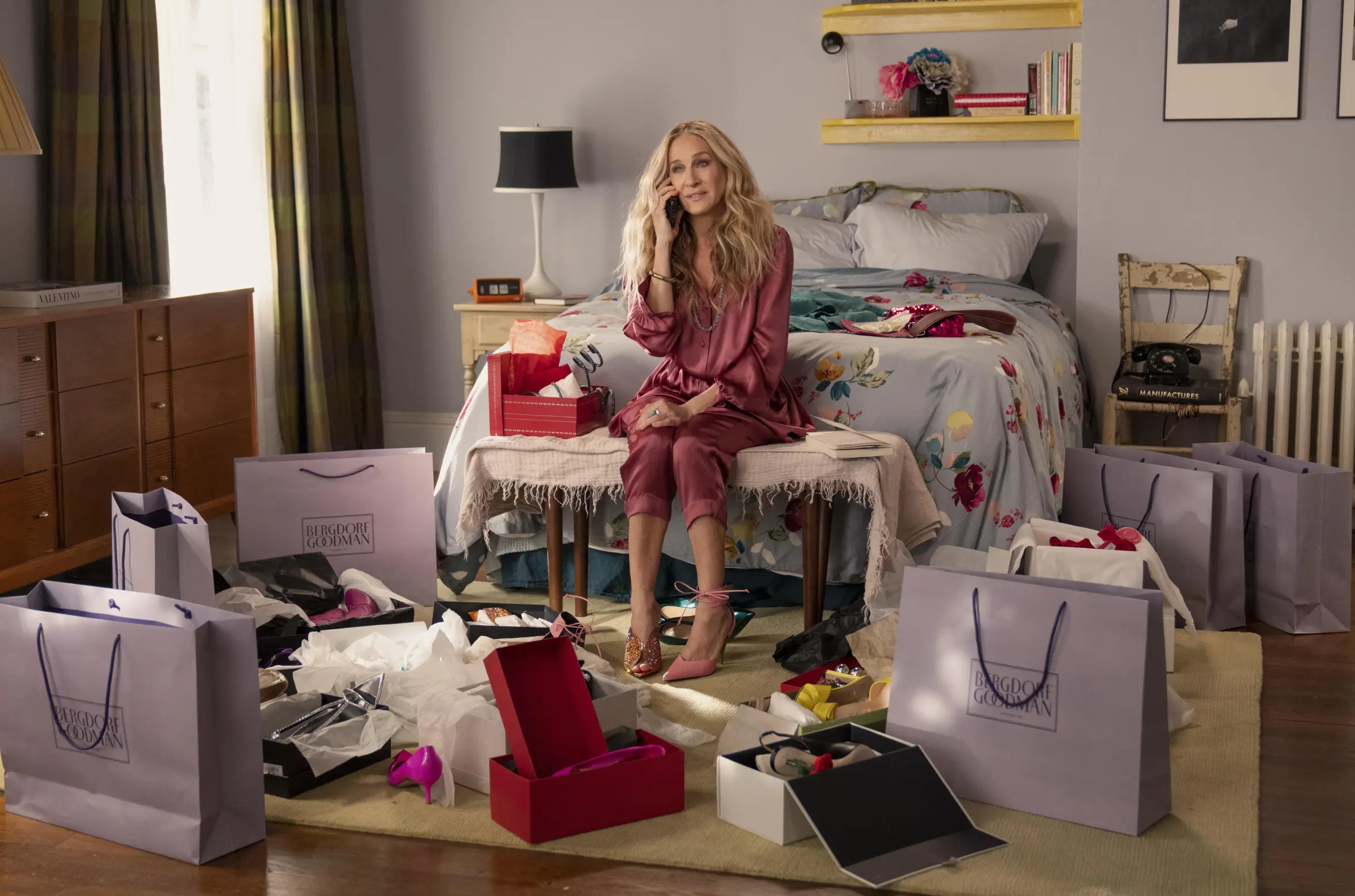 Sarah Jessica Parker as Bradshaw
Frugal chic is the latest in a series of online trends opposing consumerist impulse spending. There were challenges, like “project pan” where influencers tried to use up all of the products in their house, and “no buy” challenges not to purchase any new belongings for a month, or a year.
In 2023, the “de-influencing” hashtag went viral, dissuading shoppers from the latest product, and the next year “underconsumption core” romanticised making do with what you already own.
Frugal chic focuses on buying less without sacrificing glamour. “Frugal chic is a juxtaposition, it’s kind of an oxymoron,” McGrath said. “You’re having restraint, but you’re also trying to have taste at the same time.”
Overconsumption is, undeniably, a first-world problem for the relatively well off. McGrath said: “I’m self-aware enough to admit that these trends are just normal, most people use stuff to its limit.”
But all these trends, ironically, encourage users to wean themselves off shopping based on influence online.
Georgie Shannon, 35, from Cornwall, is a marketing manager for an environmental charity and runs a blog. She is doing her second “no buy” challenge this year, avoiding buying new clothing, make-up or shoes.
 Georgie Shannon
Shannon said: “It took away the adrenaline that you get when you buy things, I’m noticing that again now. I just had a little look around Zara, and it’s like going to the supermarket, it doesn’t have the same excitement.”
She often shops second hand, and had reservations about the newest trend. “Frugal chic almost feels like it comes from a place of privilege immediately because in order to buy from sustainable, quality brands, they are more expensive,” she said. “But it is positive if it directs people that have the money to shop with sustainable brands.”
Leena Norms, a YouTuber and author who encourages living more sustainably, said: “Just because [underconsumption trends] do not apply to everybody, does not mean that it’s not useful or worth doing.”
Norms challenged herself not to buy any new clothes last year, and instead sew her own or mend existing items when she needed new things.
She said: “I grew up buying second hand just out of necessity, but I always fantasised about being able to buy fast fashion — and buy it in large quantities. I think as you become an adult that becomes possible, and it is hard to pull yourself back from that, so [the challenge] definitely helped me moderate.”
McGrath’s encouragement to buy less, however, is paired with “financial literacy” coaching encouraging young women to become investors.
“When I got to university it was a major turning point, because I had male friends who talked about stocks the same way they talk about beer or sports,” she said.
“It felt like a little private members’ club that I couldn’t be a part of, so I really wanted to learn about it.”
Her content links to a trading platform and budgeting app, and an investing mini course. She sells a subscription newsletter on financial literacy, budgeting spreadsheets, a course on becoming an influencer, and a financial plan to retire early.
Young men invest at double the rate of young women, according to a 2025 study by Boring Money, with 41 per cent of men between 18 and 34 investing compared with 20 per cent of women. Influencers like McGrath argue this adds up to a financial gap between men and women.
But, she says, she does not have any formal qualifications in accounting or finance, and “learnt the hard way” that there are stringent rules around offering financial advice online.
Nina Michaelidou, a professor of marketing at Loughborough University, researched online “de-influencers” dissuading people against shopping for beauty products.
She said: “The idea people have about de-influencers is that they themselves are authentic. This is basically related to people’s knowledge that influencers get paid, so if someone is saying don’t buy, we immediately think this person is not paid.”
Frugal chic involves persuading young women to shop less, but McGrath’s partnerships with trading platforms pay her to encourage young women to invest the money they save instead: swapping shoes for financial instruments.