
The City of Ottawa is collaborating with health and housing experts and organizations to address one of the difficult truths about chronic homelessness: that housing on its own is frequently not enough.
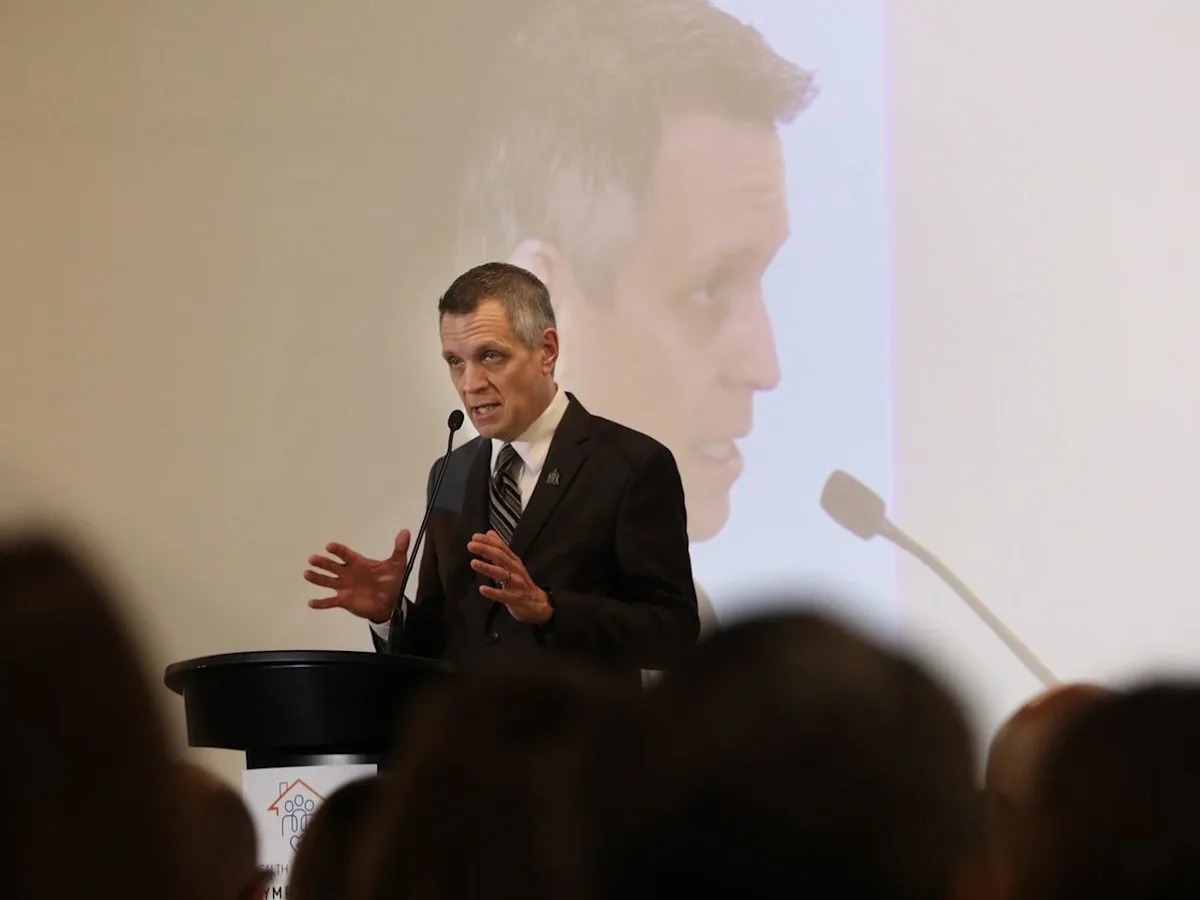
Mayor Mark Sutcliffe opened a recent Ottawa Health and Housing Symposium by saying that the city had the potential to be a national leader when it came to addressing chronic homelessness through supportive and affordable housing.
City council voted unanimously to double the rate at which desperately needed supportive housing units were built in the city. The city currently has 350 supportive housing units with 450 people on a wait list. At the rate these units were being built, it would take a decade to clear the waiting list, Sutcliffe said. The city has doubled funding to get those on the wait list into housing within five years.
The symposium also featured the launch of a new strategic advisory body made up of housing providers, health-care organizations and community partners to better co-ordinate and align services with the aim of building more models of supportive housing.
The goal of the collaboration is to help people experiencing chronic homeless find homes and to remain there with support. It is also aimed at reducing pressures on the health system. Data from Ottawa and elsewhere show people who experience chronic homelessness also use emergency services at a high rate.
“We can improve outcomes for people cycling between shelters, hospitals and the streets who need co-ordinated, wraparound and recovery-oriented health care,” said Catherine Kitts, a city councillor and chair of the Ottawa Board of Health. “They need and they deserve better — to be well and not living in crisis.”
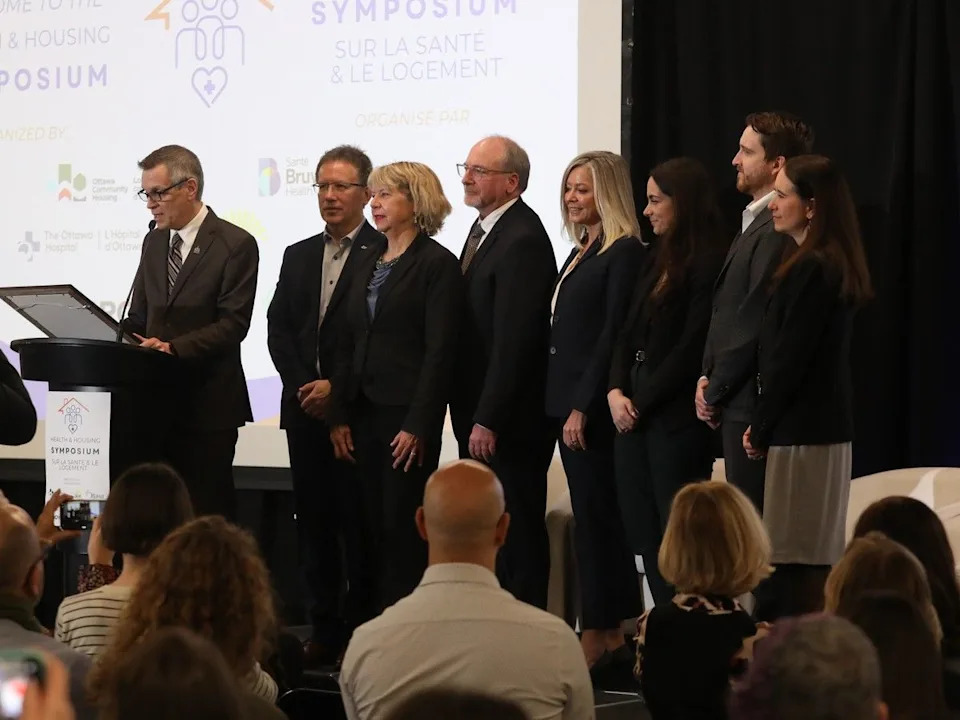
Mayor Mark Sutcliffe reads a proclamation during the Ottawa Health and Housing Symposium on Friday, April 10.
Some of the health and housing groups that are part of the collaboration are already operating or building models of supportive housing, which includes built-in health, social and other supports needed to help people remain housed. The kind of supports depends on the needs of the people involved.
At a time when there are growing numbers of seniors living with homelessness in Ottawa, there are a number of supportive housing programs for seniors, including through Ottawa Community Housing and Bruyère Health. One program provides supportive housing for seniors in apartments above a community health centre.
Melissa Donskov, vice-president of residential and community programs at Bruyère Health, said stable housing “with the right health supports” keeps people healthier, reduces avoidable hospital use and helps seniors age with independence.
The Royal is working with Ottawa Community Housing and Ottawa Salus Corporation, which provides housing and support services for people with serious mental health issues, to build supportive housing on Byng Drive beside The Royal.
The three-building, 160-unit facility providing housing and services for individuals impacted by substance use disorder was to have originally been called Matthew Perry House after the actor who grew up in Ottawa and died in 2023 following challenges with addictions.
Earlier this year, the remaining partners said they had parted ways with the charitable foundation named after Perry, but the project was continuing and would eventually have another name.
The project, specifically focused on people with substance-use disorder, is expected to be the first of its kind in Canada.
The Royal President and CEO Cara Vaccarino said supportive housing was about providing dignity to people and finding a better solution than having people in and out of hospitals because they didn’t have enough support.
Toronto’s Dunn House, the country’s first hospital-led social medicine housing initiative, which was built in a parking lot at the United Health Network, has become the “gold standard” for the kind of difference supportive housing can make, said Clara Freire, the City of Ottawa’s general manager of community and social services.
Freire said the project was built after officials looked at the people who were homeless or precariously housed and using the emergency system the most. The cost for supportive housing was between $2,000 and $5,000 a month compared to at least $60,000 a month for a hospital bed.
“There is definitely an economic argument to make for creating a system where the people with the greatest complex needs can go right into supportive housing,” Freire said.
Related
Our website is your destination for up-to-the-minute news, so make sure to bookmark our homepage and sign up for our newsletters so we can keep you informed.