

Listen to this article
Estimated 3 minutes
The audio version of this article is generated by AI-based technology. Mispronunciations can occur. We are working with our partners to continually review and improve the results.
A leading credit rating agency has downgraded New Brunswick’s fiscal outlook from stable to negative in light of the provincial government’s grim deficit and debt projections.
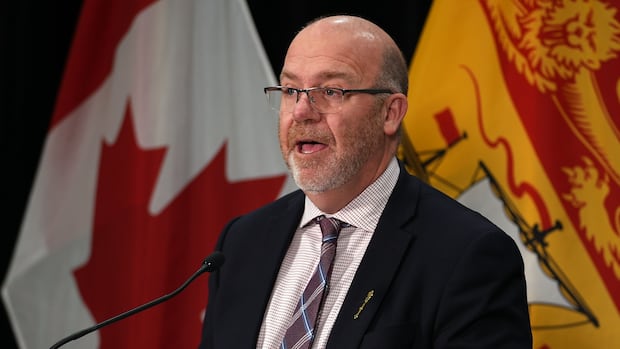
Moody’s Ratings said Friday it was moving the province’s baseline credit assessment from Aa2 to Aa3, though Finance Minister René Legacy said this was not a lowering of the rating.
“Moody’s has not changed the province’s credit rating but has adjusted the outlook from stable to negative,” he said in a statement.
“They will be monitoring how we move forward with our plan to grow the economy and manage our expenses. We welcome that scrutiny as we look to implement our plans and become more efficient.”
The Holt Liberals are projecting a $1.39 billion deficit in the current 2026-27 fiscal year, with deficits in the same range for the next two years.
That would increase the province’s accumulated debt to $19.7 billion by the end of the Liberal mandate.
A lower credit rating can indicate a higher risk for lenders that could increase the province’s borrowing costs and the amount of interest taxpayers must pay on the public debt.
According to the Moody’s rating system, an Aaa rating reflects the highest quality of financial obligations with the lowest level of credit risk for lenders.
Aa is still high quality, with a low credit risk, but the move from Aa2 to Aa3 reflects a shift to the lower end of that range.
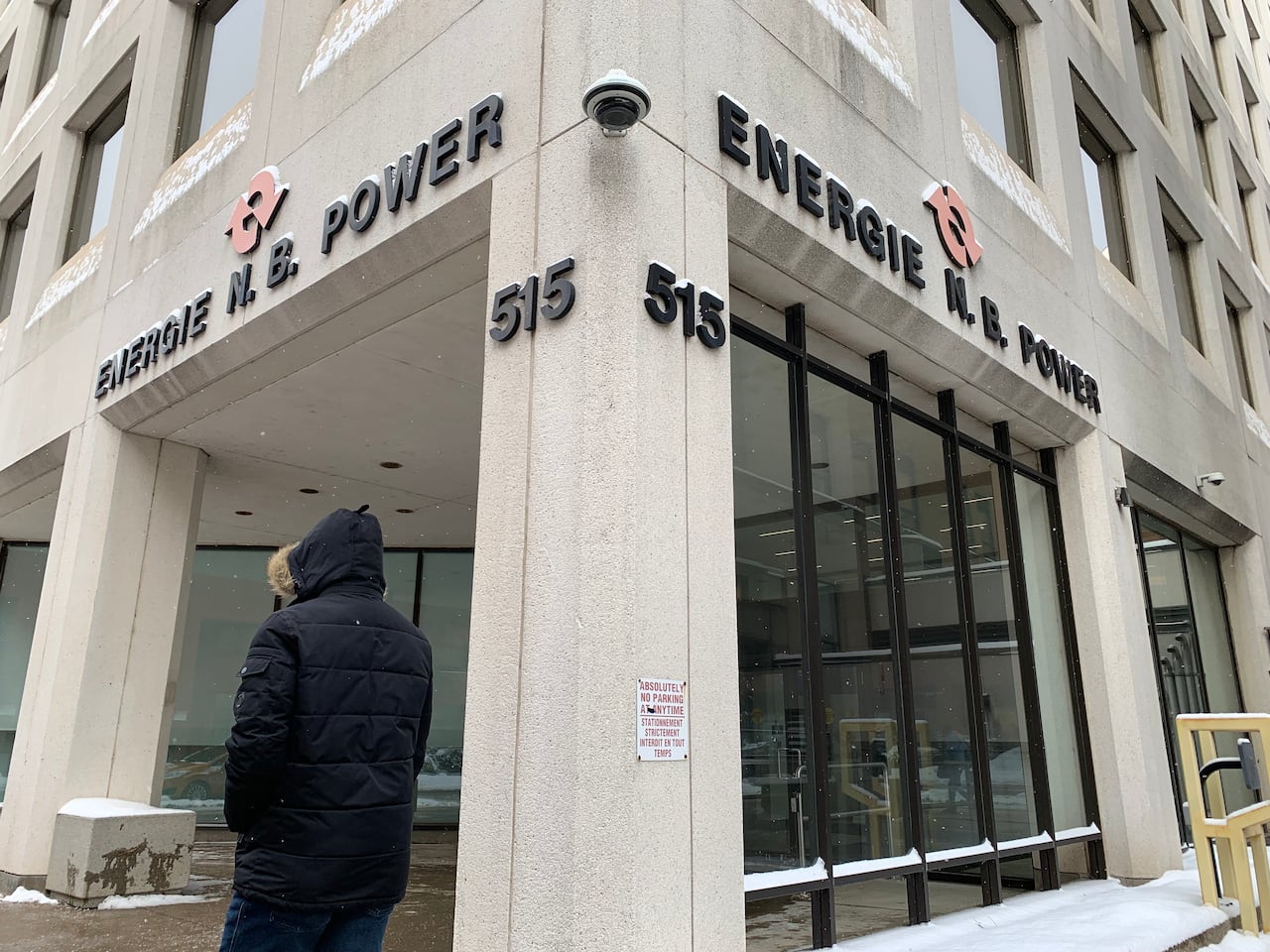 The Moody’s update says N.B. Power’s $5.9 billion debt is another factor in its downgrade because the province ‘may have to provide direct or indirect support’ to the utility. (Silas Brown/CBC News)
With trade and other external pressures likely leading to lower tax revenue, “a failure of the province to adequately rein in spending as planned would also exert negative pressure on fiscal strength and the ratings,” Moody’s said in a release.
Current debt and deficit projections “will lead to an extended delay before returning to budget equilibrium which reduces the province’s shock absorption capacity should further negative budgetary pressures arise,” it says.
The Moody’s update says N.B. Power’s $5.9 billion debt is another factor in its downgrade because the province “may have to provide direct or indirect support” to the utility.
A recent report by a panel reviewing the utility’s future suggested the government take over $1.8 billion of its debt — which would shift that amount onto the province’s total public debt.
The credit agency did reaffirm the province’s longer-term Aa1 credit rating in light of what it called the province’s “strong institutional framework” that allows the government to raise revenue and control spending if it chooses to.
Previous larger-than-expected surpluses show the province has “exceptional governance abilities” and makes it possible for the province to do “marginally better” than forecast with its debt and deficits starting in 2027-28, Moody’s said.
The possibility of a revived mining sector — one of the key economic development priorities of the Holt Liberals — could also help, it added.