

Listen to this article
Estimated 3 minutes
The audio version of this article is generated by AI-based technology. Mispronunciations can occur. We are working with our partners to continually review and improve the results.
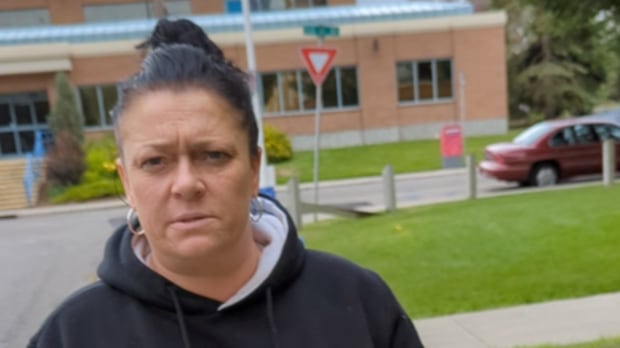
A Calgary woman who participated in a grandparent scam, stealing thousands of dollars from elderly victims, including three who were in their 90s, should get to serve her sentence at home, lawyers argued Friday.
Alana Love Duncan, 48, pleaded guilty in October to seven counts of fraud over $5,000 for crimes that took place over a four-week period in the summer of 2023.
At a sentencing hearing Friday, Duncan’s role was described by prosecutor Don Couturier as the “in-person courier” in a “sophisticated and predatory” scheme. Police have not charged the others involved in the scam.
In total, Duncan and her partners-in-crime stole $70,000 from the seven victims.
How the grandparent scam worked
Details of Duncan’s crimes come from an agreed statement of facts filed as part of her guilty plea.
Court of King’s Bench Justice Michele Hollins heard that each of the seven victims received a phone call.
Each time, the victim was led to believe the person on the other end of the line was a police officer or a loved one, most often a grandson. The women were told the loved one had been arrested and needed bail money.
They were also instructed to keep the matter private, having the effect, Couturier pointed out, of isolating them from family members who could have sounded the alarm on the scam.
The victims then went to their bank, where they withdrew cash — between $6,500 and $10,000.
Duncan would collect the money.
In one case, a 94-year-old victim did not have the $8,000 she believed was needed for her great-grandson’s bail, so she offered her coin collection worth $22,000.
On July 21, 2023, Duncan showed up at the woman’s home and took the coins.
Joint submission for house arrest
Hollins was asked to accept a joint submission from Couturier and defence lawyer Mary Stephensen for a conditional sentence order.
That would mean Duncan would serve her sentence at home under conditions, including a year of house arrest, followed by a year of curfew.
Duncan, who has suffered with addictions issues, has also agreed to pay $18,000 in restitution, which “reflects her proportional involvement in the scheme,” Couturier told the judge.
“She’s focused on trying to right this wrong,” said Stephensen, who read an apology letter on behalf of her client who expressed “sincere remorse” and said she “deeply regrets the harm” she caused.
Although joint submissions are often accepted by a judge, Hollins expressed hesitation, particularly with regard to the sentencing principle of denunciation, which refers to a court decision communicating society’s condemnation of an offender’s conduct.
Hollins will return with her decision on Monday.