
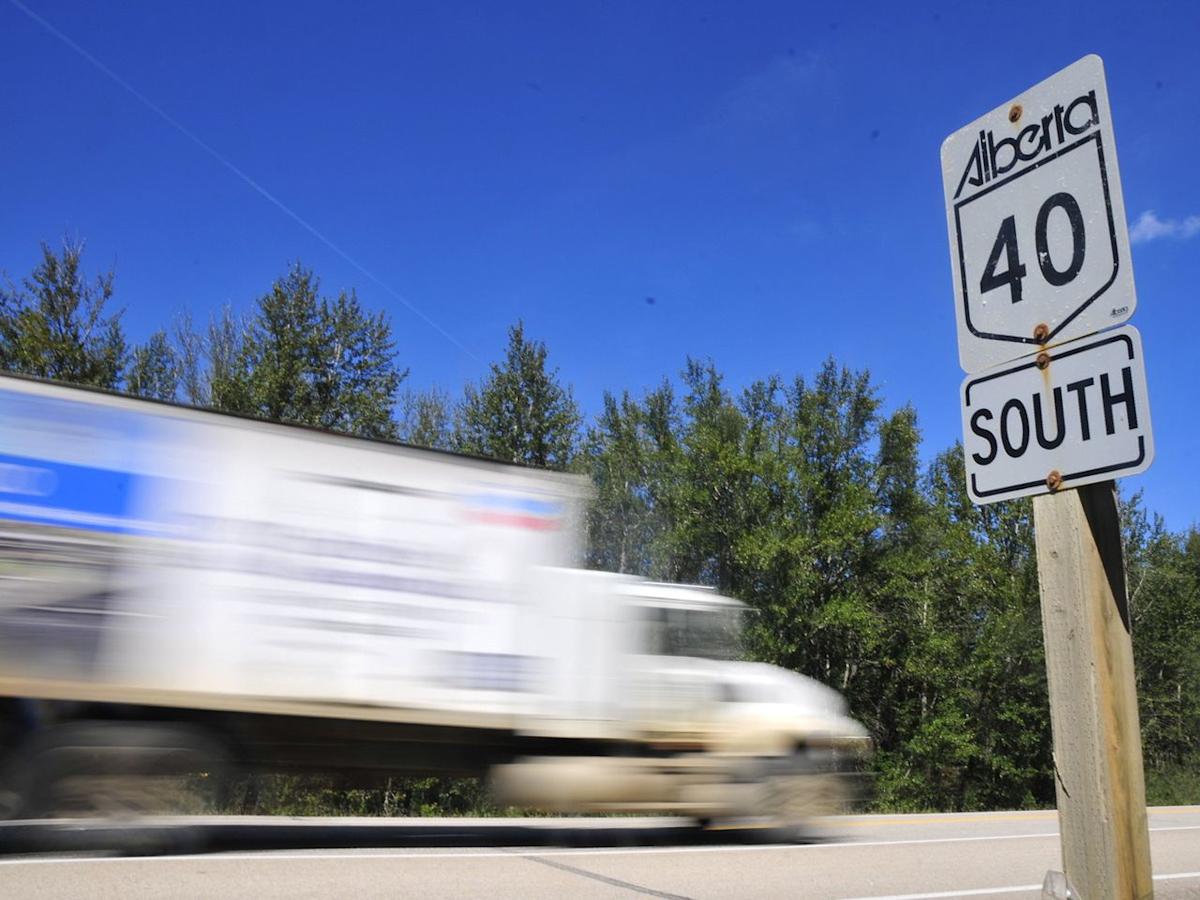
 FP Video gets a glimpse at what the pressures look like on the ground for the trucking industry, and what it could mean for the rest of Canadians. (Credit: AARON HINKS/DAILY HERALD-TRIBUNE)
  banner
Canadians are feeling the effects of rising fuel prices well beyond the pump, with pressure building across daily life.
Many communities across the country rely on vehicles for work, errands and commuting, which means rising fuel prices caused by war in the Middle East are leading to difficult choices on the other side of the planet.
A drive that once felt routine suddenly starts to become far more expensive.
This is especially the case for Brad Constable, who owns a tow-trucking business out of Airdrie, Alberta. Constable says drivers with busted tires on the side of the road might get the impression that his industry is out to rip people off, when in reality that’s not the situation at all.
Constable says he’s just trying to make a living. And that, he says, has become much harder with rising fuel prices.
Diesel is selling for well over $2 a litre across the country, with Vancouver pumps charging as much as north of $2.80 in the past week or so, according to the data firm Kalibrate Technologies Ltd.
The federal government said it will temporarily suspend the federal excise tax on diesel and gasoline starting on Monday — a relief measure for Canadians struggling with the effects of rising prices. The cut, which ends on Labour Day, will bring diesel pump prices down by four cents per litre, a relatively small decline given that average prices have risen by roughly 50 cents since the war began.
The rise is largely driven by blockades of oil tankers along the Strait of Hormuz, a shipping channel where a fifth of global crude supplies normally passes through. Iran put up the bottleneck after Israel and the United States went to war with the Middle Eastern country.
North American oil prices fell sharply Tuesday on the hopes that peace talks would resume between the U.S. and Iran. But crude remained expensive, trading hands for close to US$92 a barrel at the end of the trading day.
Join us for a ride on Constable’s tow truck for an on-the-ground look at how these geopolitical forces are shaping everyday life in Canada.
Energy Aftershocks is a new project by the Financial Post and Calgary Herald that focuses on the ongoing fallout of the war in the Middle East. Watch this space for more stories about how the energy shock is echoing throughout Canada.