

Listen to this article
Estimated 4 minutes
The audio version of this article is generated by AI-based technology. Mispronunciations can occur. We are working with our partners to continually review and improve the results.
Speeding in school zones that used to host speed cameras has shot up since the cameras were turned off, according to new City of Ottawa data.
The province’s ban on the automated speed enforcement cameras went into effect in November, with Premier Doug Ford calling them a cash grab.
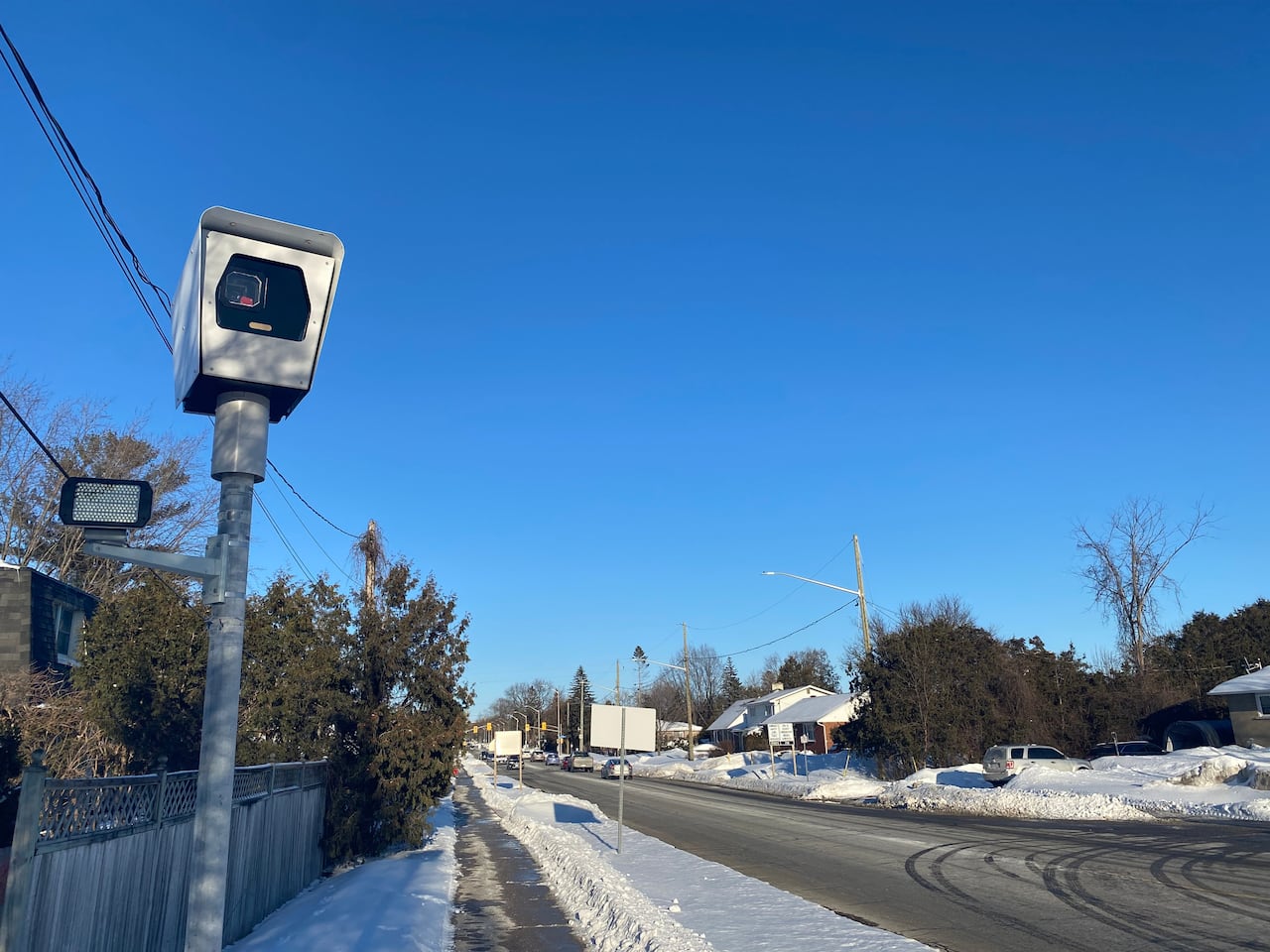
Ottawa’s cameras were placed largely in school zones and community safety zones, and the city has argued that they reduced speeding and kept vulnerable road users safer.
The city’s program began as a pilot in 2020 with eight cameras near schools. Data showed that just 16 per cent of drivers complied with posted speed limits before the cameras were installed. Four years later, the figure was 87 per cent.
High-end speeding, defined as more than 15 km/h over the limit, dropped from 14 per cent to 0.3 per cent over that same period, according to the city data.
But the city says that trend has quickly reversed. In a report to council’s public works and infrastructure committee, staff say compliance at those pilot sites fell from 87 per cent to 51 per cent within just three weeks of the cameras’ removal.
Three months after removal, compliance had dropped even further, falling to 41 per cent. High-end speeding rose from 0.3 to 4.5 per cent during that period.
The data was collected using traffic monitoring devices that the city installs at school zones to record speed and volume. It was gathered before the installation of giant signs that Ford has suggested will reduce speeds, and city staff say they will collect data again once those signs are in place.
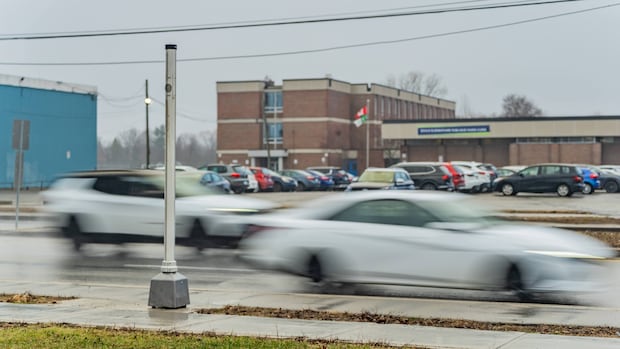
 City data showed that four years after Ottawa’s first automated speed enforcement cameras were installed, compliance with posted speed limits rose from 16 per cent to 87 per cent. (Joseph Tunney/CBC)Data proof cameras worked, councillors say
But Coun. Tim Tierney, who heads council’s public works and infrastructure committee, said the data is only confirming what he can already see with his own eyes: a “massive drop” in compliance.
“You just go out in front of any school zone and you’ll see cars whipping by there,” he said. “I wish the government would revisit, but unfortunately the ship has sailed.”
He doubts that the giant signs will be anywhere near as effective as the cameras, but said he still wants to work with the province to find ways to slow motorists down.
One of the eight pilot cameras was on Meadowlands Drive, near St. Gregory Catholic School, and College Ward Coun. Laine Johnson said it made a real difference in keeping kids safe.
Like Tierney, she said the data was hardly a surprise.
“Now what we know for sure is that the province was making these decisions based on feelings and not on facts, because here we have the facts that these cameras were not a cash grab,” she said. “They reduced speeds significantly, and without them compliance dropped.”
‘Atrocious’ behaviour
Near another former speed camera site on Heron Road, several people shared concerns with CBC about the fact drivers are returning to their bad habits.
“[There]’s just a general fear of walking and knowing cars aren’t doing what they should be doing,” said Shyanne Parent, who was pushing one of her children in a stroller along the busy thoroughfare Wednesday.
For Mark Lacroix, the declining compliance rates are “atrocious.”
“I thought they did a great job. They reduced speeding quite a bit,” Lacroix said of the cameras. “I was really disappointed when Doug Ford took [them] away…. I get it on a highway, maybe you don’t need a speeding camera. But in a school zone, I think it was a great idea.”
The report also estimates that the loss of the cameras will cost the city $15 million in annual revenue. That money is used to fund road safety programs, though the city hopes new provincial funding can help make up the gap.
From the original eight cameras in the pilot program, the program eventually grew to include 60 cameras all over the city before it was shut down.