
Imaging-Resources is reader-supported. When you buy through links on our site, we may earn an affiliate commission. Read More
NASA Shares Artemis II Moon and Earth Photos Taken With Nikon D5
NASA has released a new batch of images from the Artemis II mission, showing off detailed views of the Moon, Earth, and life aboard the Orion spacecraft. What stands out isn’t just the imagery—but the gear behind it.
Many of the photos were captured using the Nikon D5, a flagship DSLR that’s now nearly 10 years old. Even so, it’s still doing the heavy lifting on one of NASA’s most important missions in decades.
Old Meets New in Space
Artemis II is the first crewed mission to the Moon in more than 50 years, a huge leap from the Apollo era when astronauts relied on modified Hasselblad 500-series medium-format cameras.
This time around, the crew has access to a mix of modern tools. NASA sent 32 cameras onboard, including 17 handheld units. Alongside the D5 are GoPro action cameras, smartphones, and even a single Nikon Z9, which made it onto the mission for testing.
Still, the D5 remains the main camera—and that’s no accident.
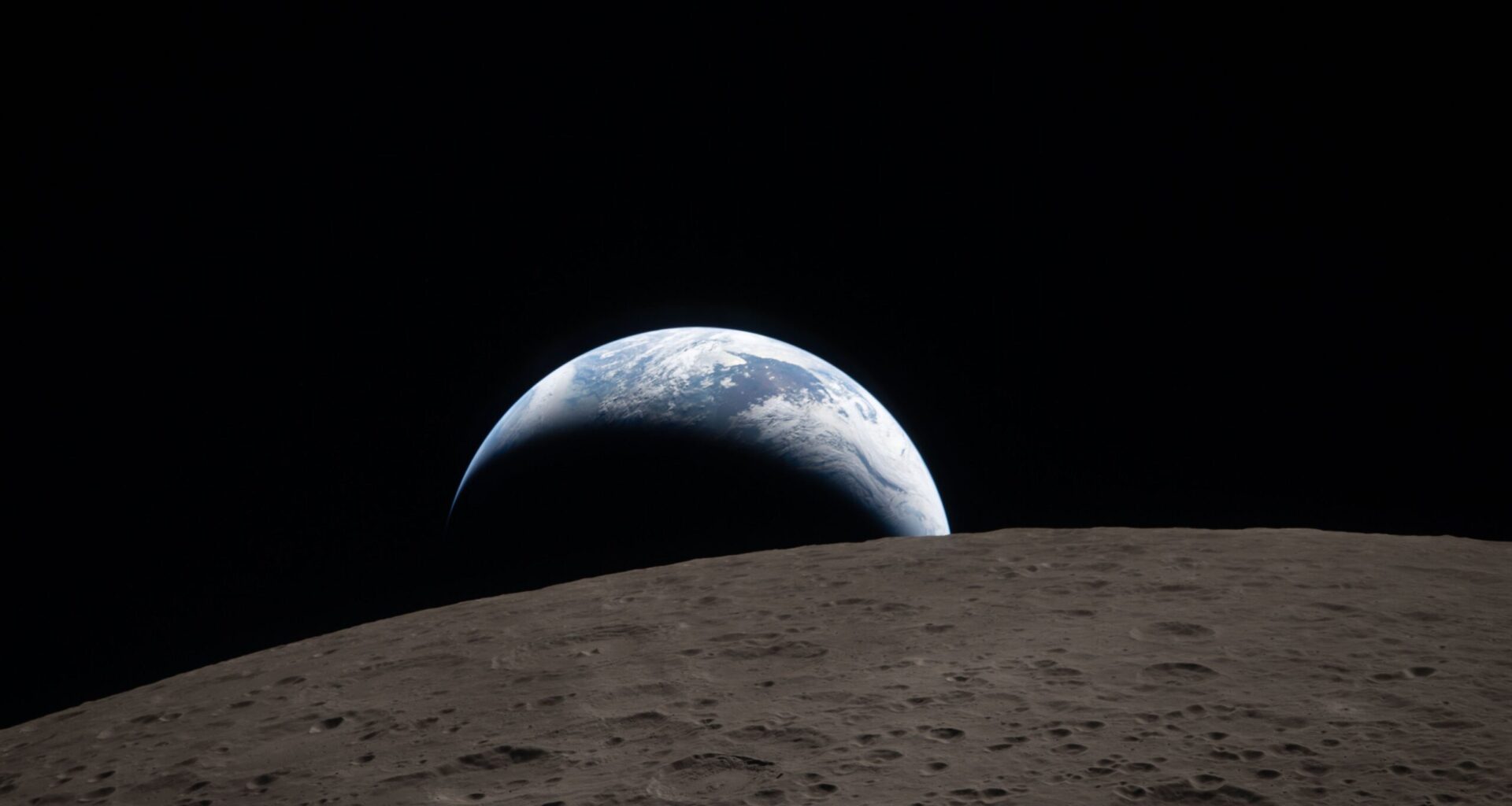
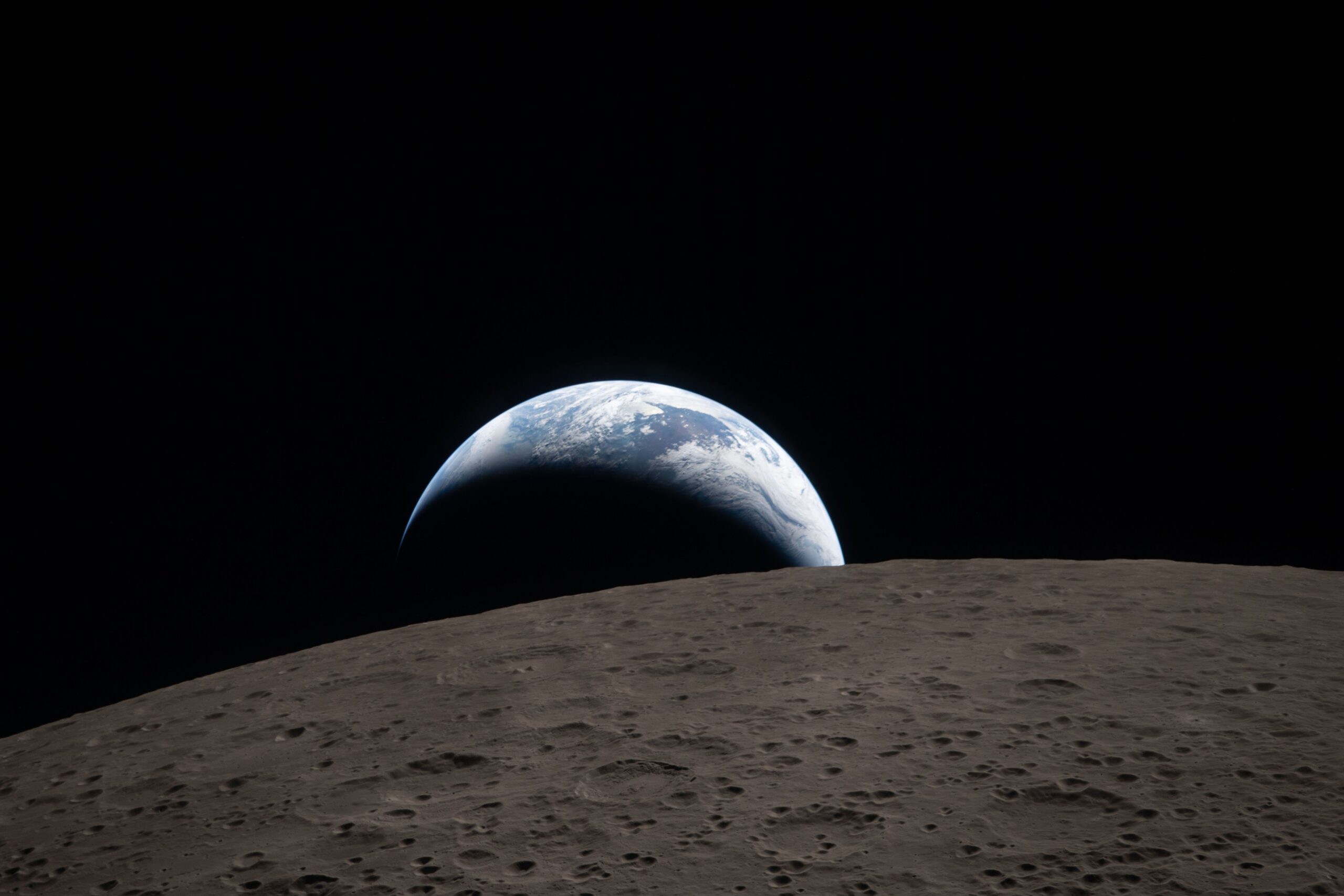 “Earthset” taken during the Lunar Flyby.
Why NASA Is Still Using the Nikon D5
The Nikon D5 might be older by today’s standards, but it’s proven, reliable, and built for tough conditions. One of its standout traits is low-light performance, with extremely high ISO capabilities that make it well-suited for space.
One of the images NASA shared—a view of Earth from the Orion spacecraft—was taken by astronaut Reid Wiseman at ISO 51,200 using a 14–24mm lens at f/4. It’s a good example of how the camera holds up in extreme environments.
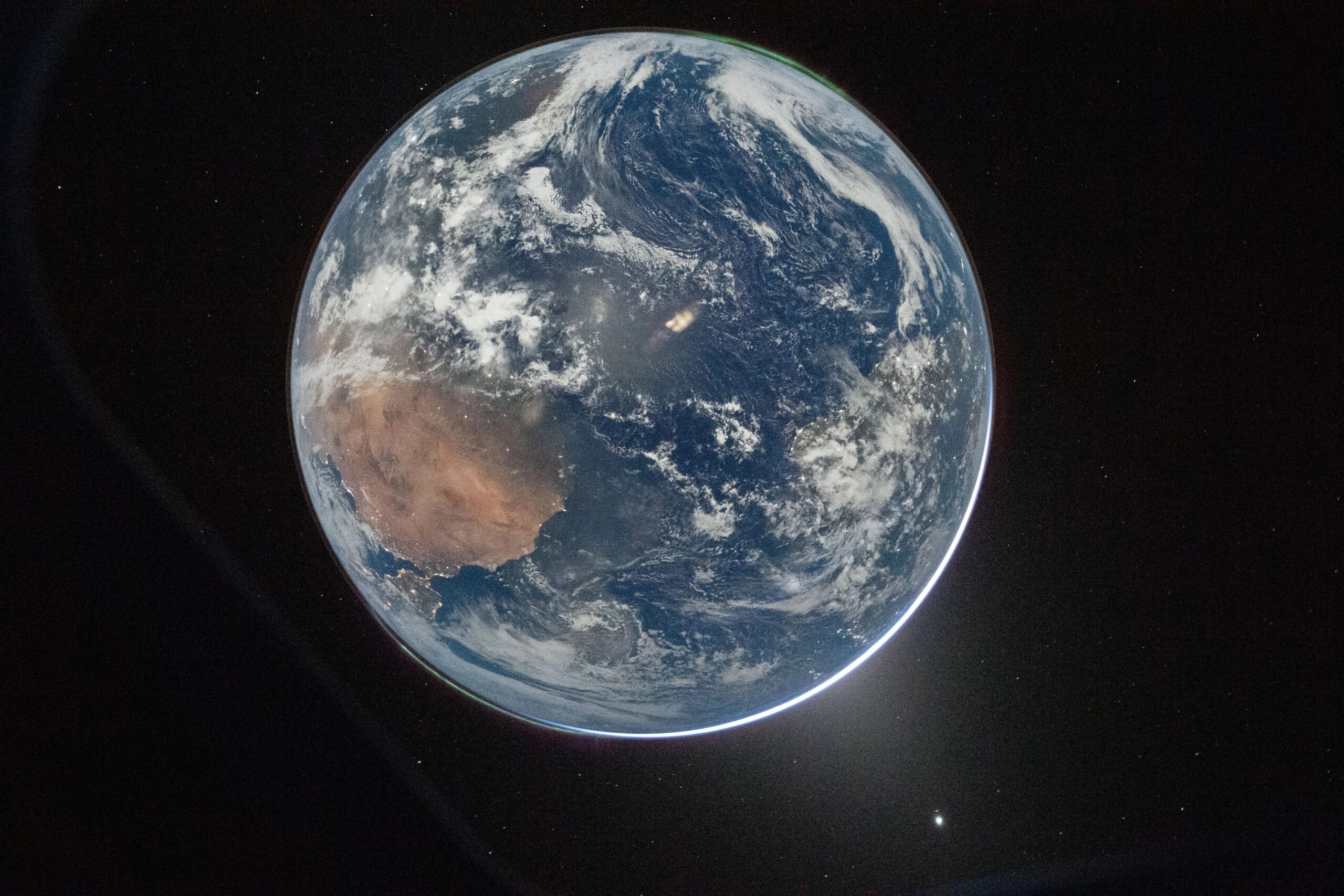 A photo of the Earth captured by astronaut Reid Wiseman using a Nikon D5 with a 14-28mm F/2.8 G lens at ISO 51,200.
NASA also released interior shots taken with the D5 paired with the AF Nikkor 35mm f/2D, a decades-old lens that still delivers sharp, usable results.
A Rare Look at the Moon’s Far Side
During the mission, the crew traveled farther from Earth than any humans before, capturing a range of images during their lunar flyby.
That includes a striking “Earthset,” views of the Moon partially eclipsing the Sun, and detailed shots of the lunar surface. One highlight is the Orientale Basin, a massive crater about 600 miles wide that stretches across both the near and far sides of the Moon—something astronauts have never fully seen before.
Seven Hours Behind the Camera
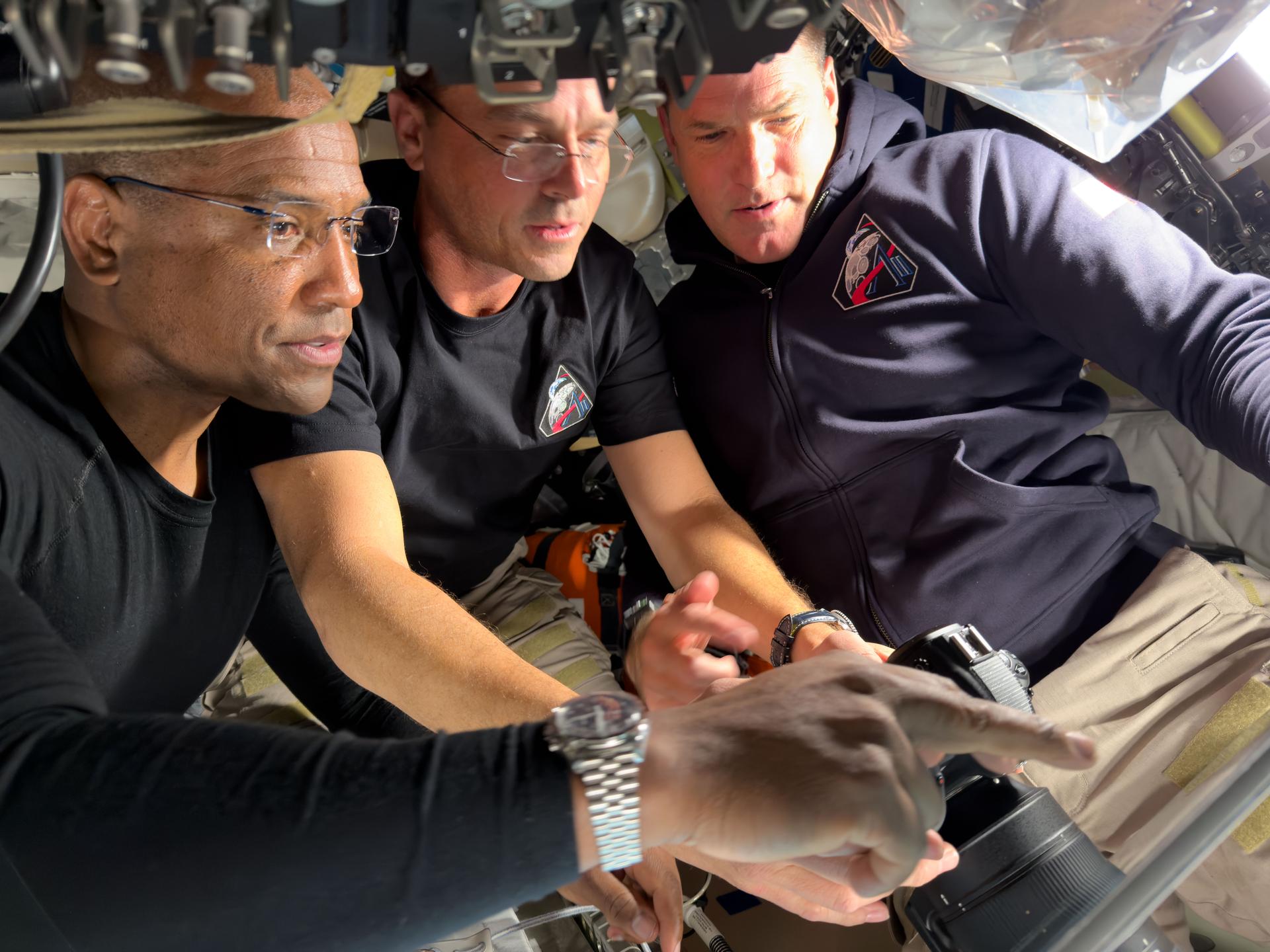 The crew of the Orion spacecraft spent seven hours observing and photographing the moon.
The crew spent about seven hours taking turns at the Orion spacecraft’s windows, shooting as they passed the far side of the Moon. At their closest point, they were roughly 4,067 miles (about 6,500 kilometers) above the surface.
The result is a set of images that feel both technical and human—capturing not just data, but perspective.
A Reminder About Gear (and Skill)
There’s a quiet takeaway here: even with all the advances in camera tech, a well-built, reliable tool still matters—especially in extreme conditions.
The Artemis II mission is a major milestone for space exploration, but it’s also a reminder that great images don’t always come from the newest gear—sometimes, they come from what’s been tested and trusted over time.
With the crew now heading back to Earth, there’s likely more imagery to come.
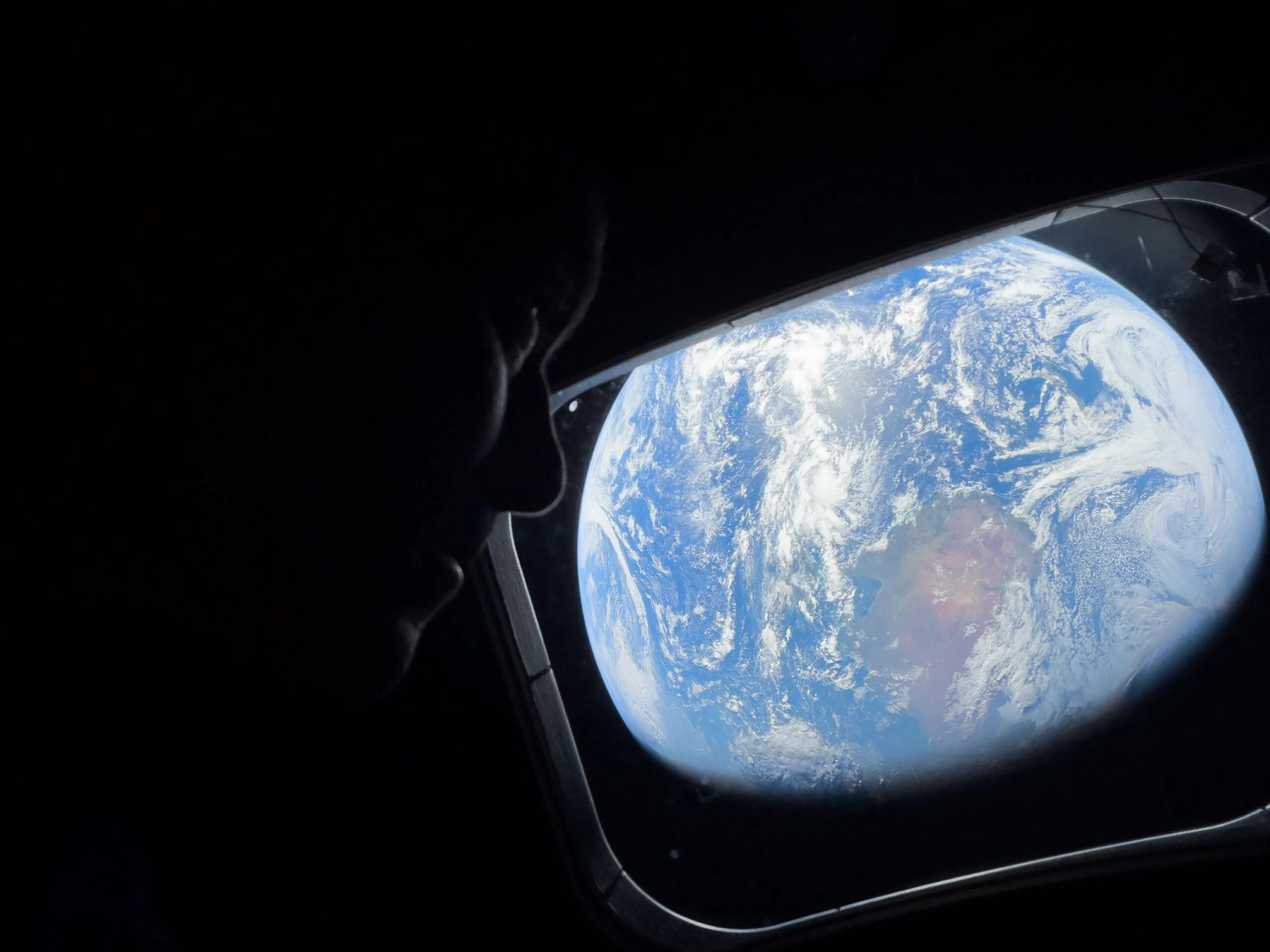
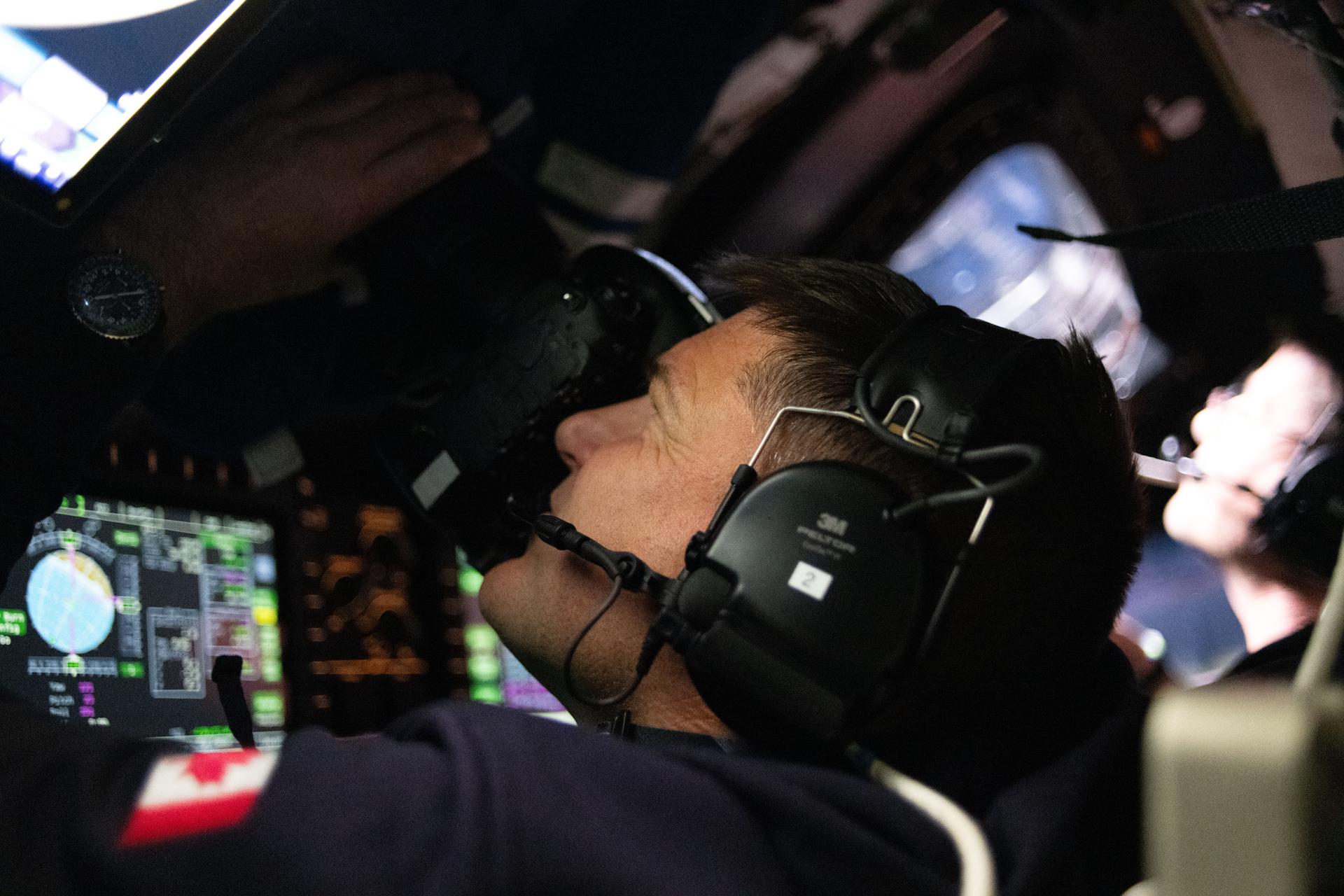
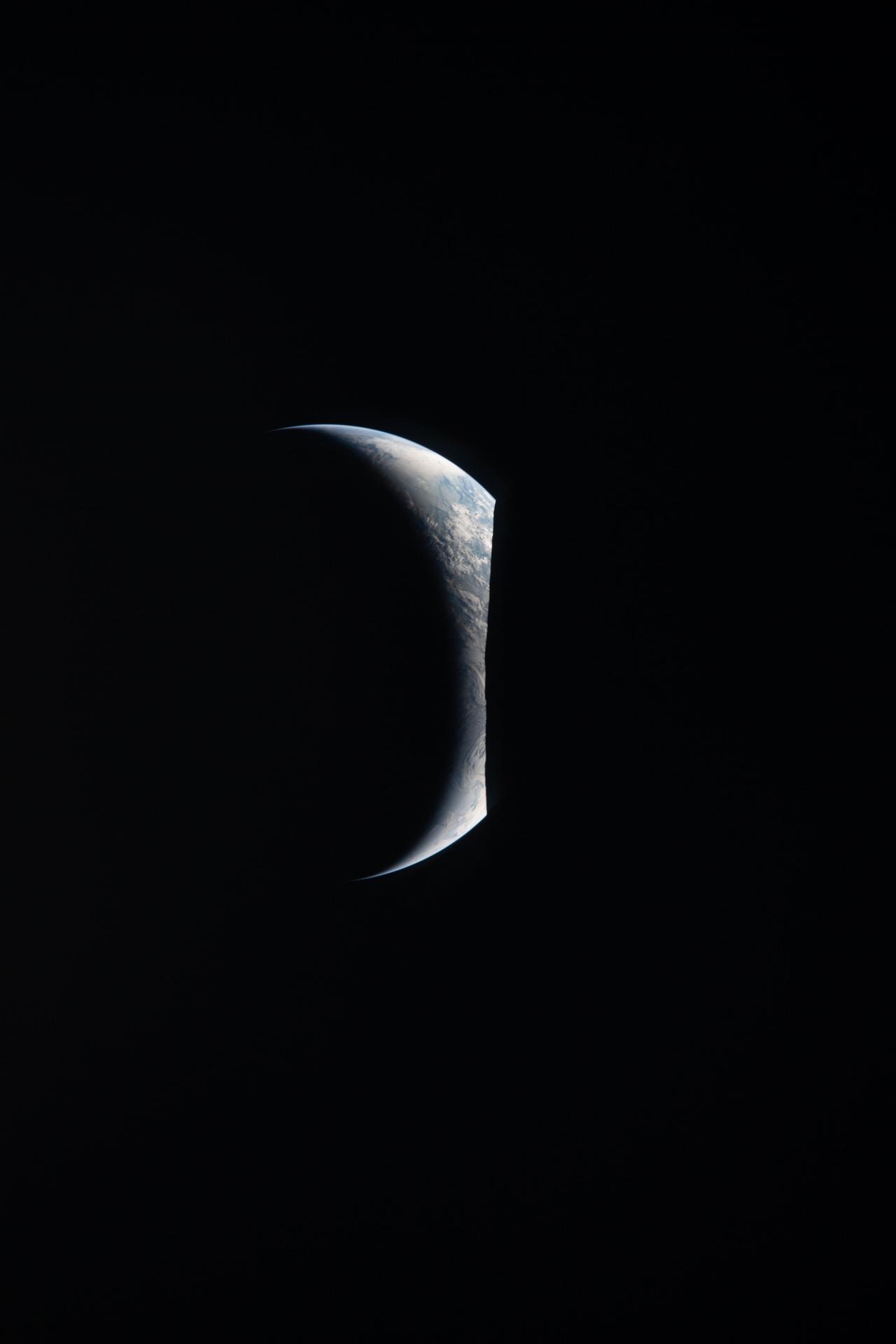
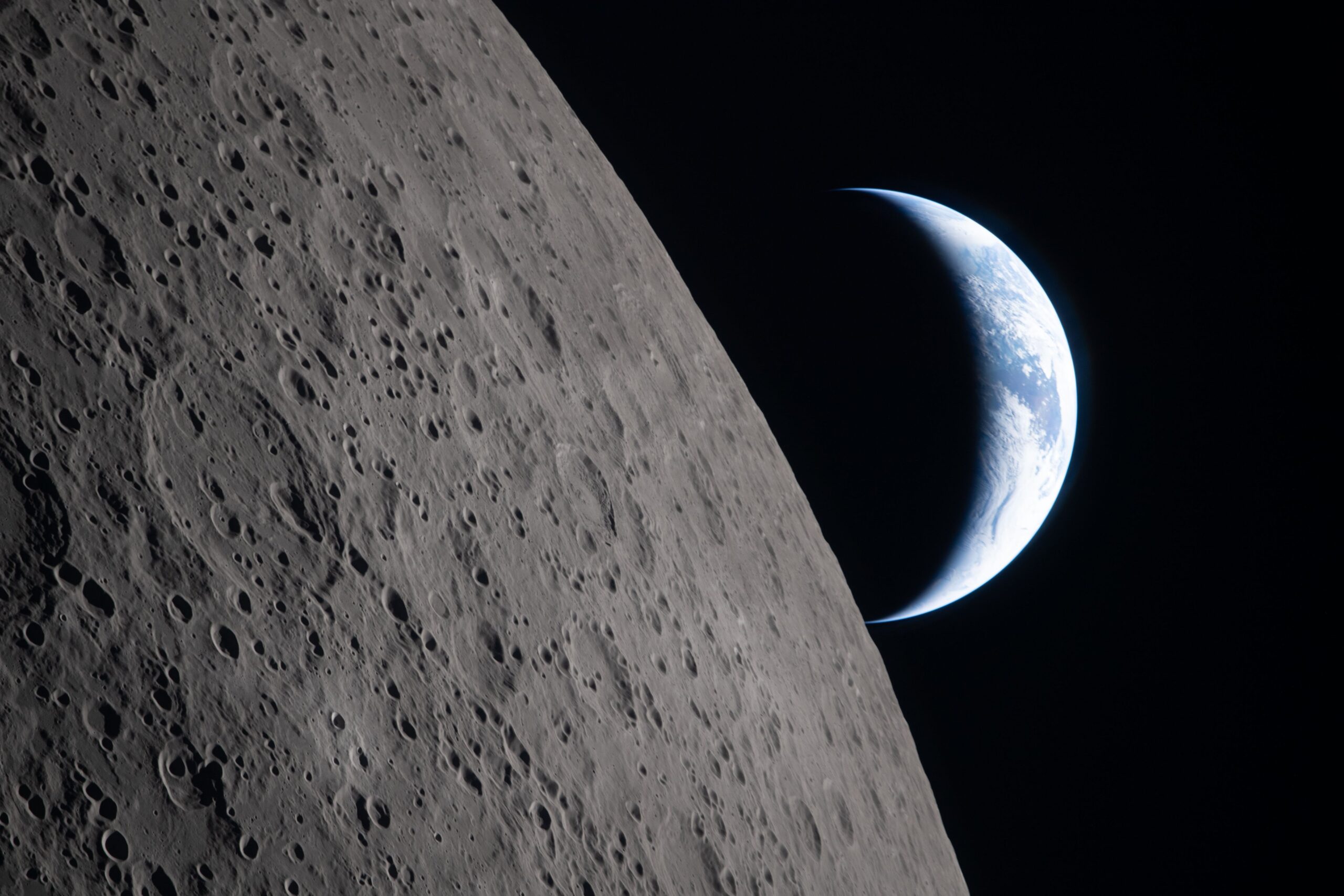
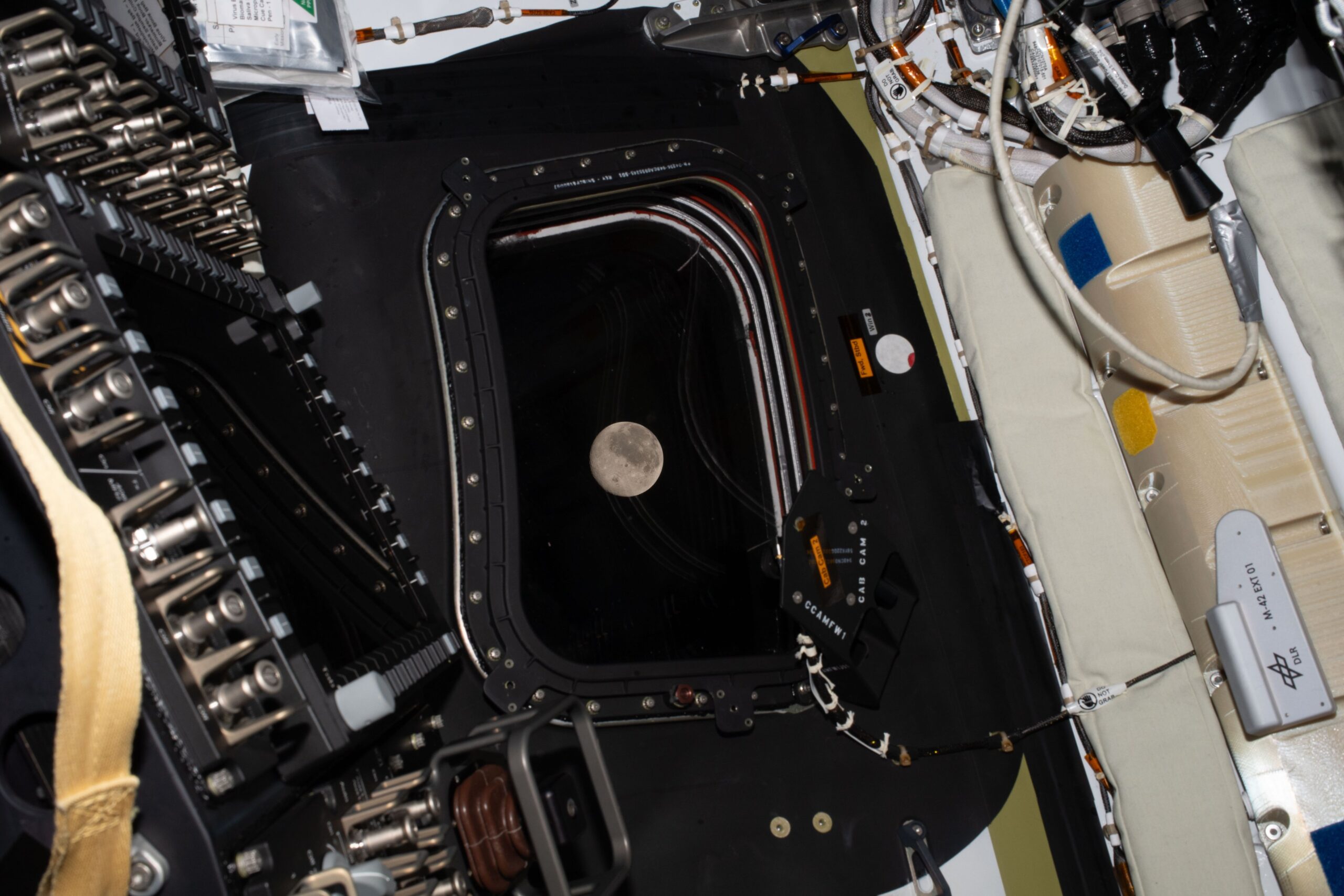
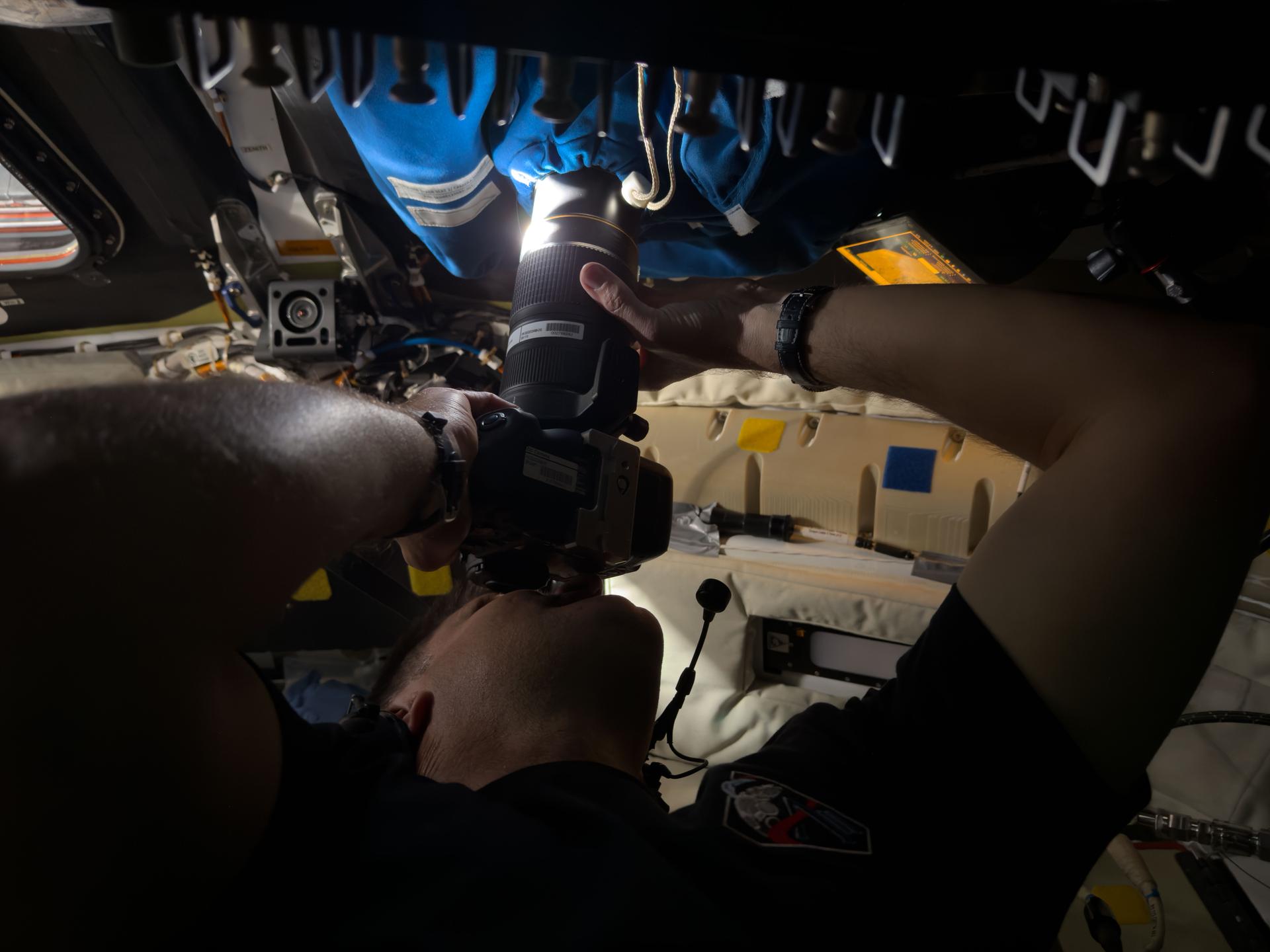
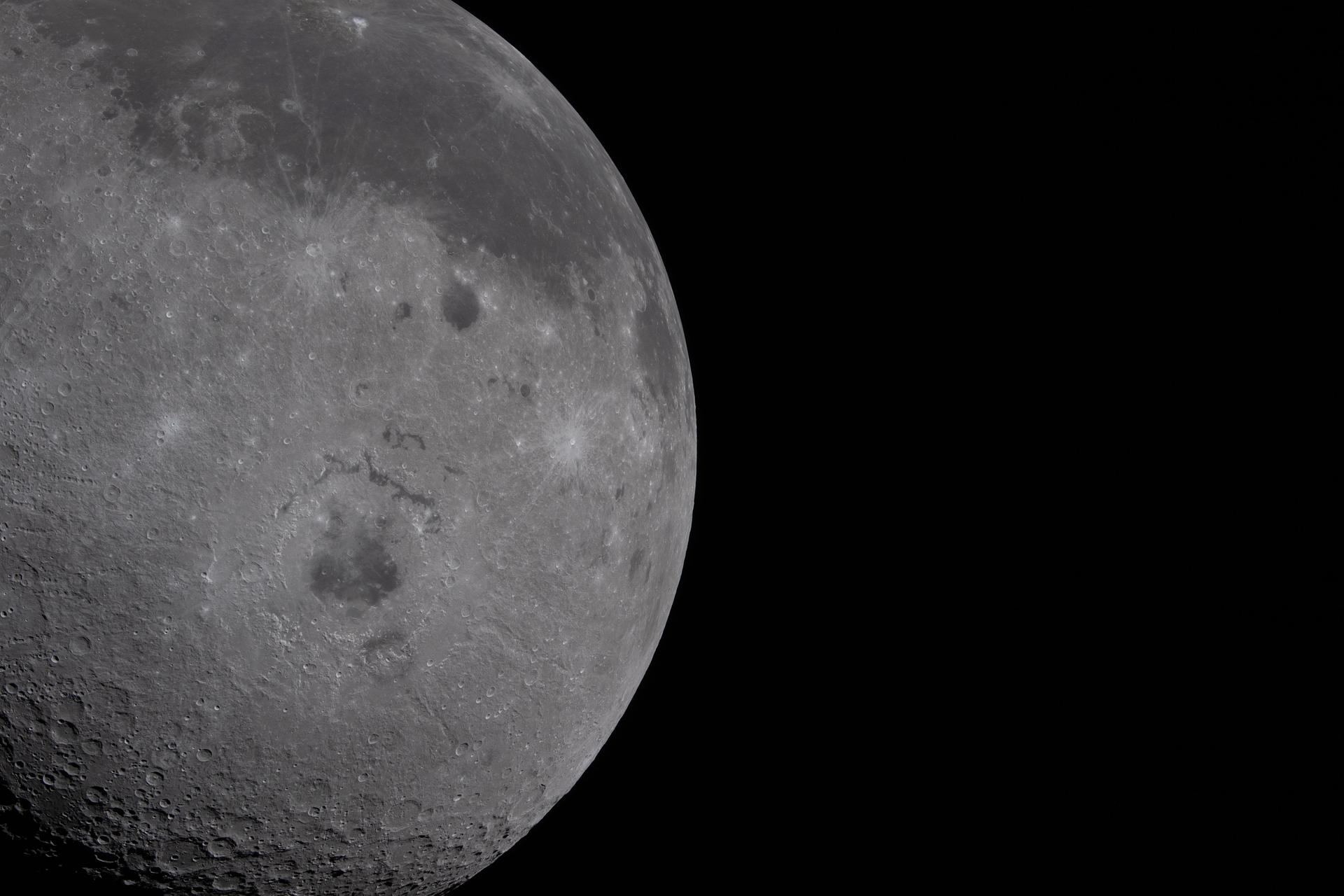
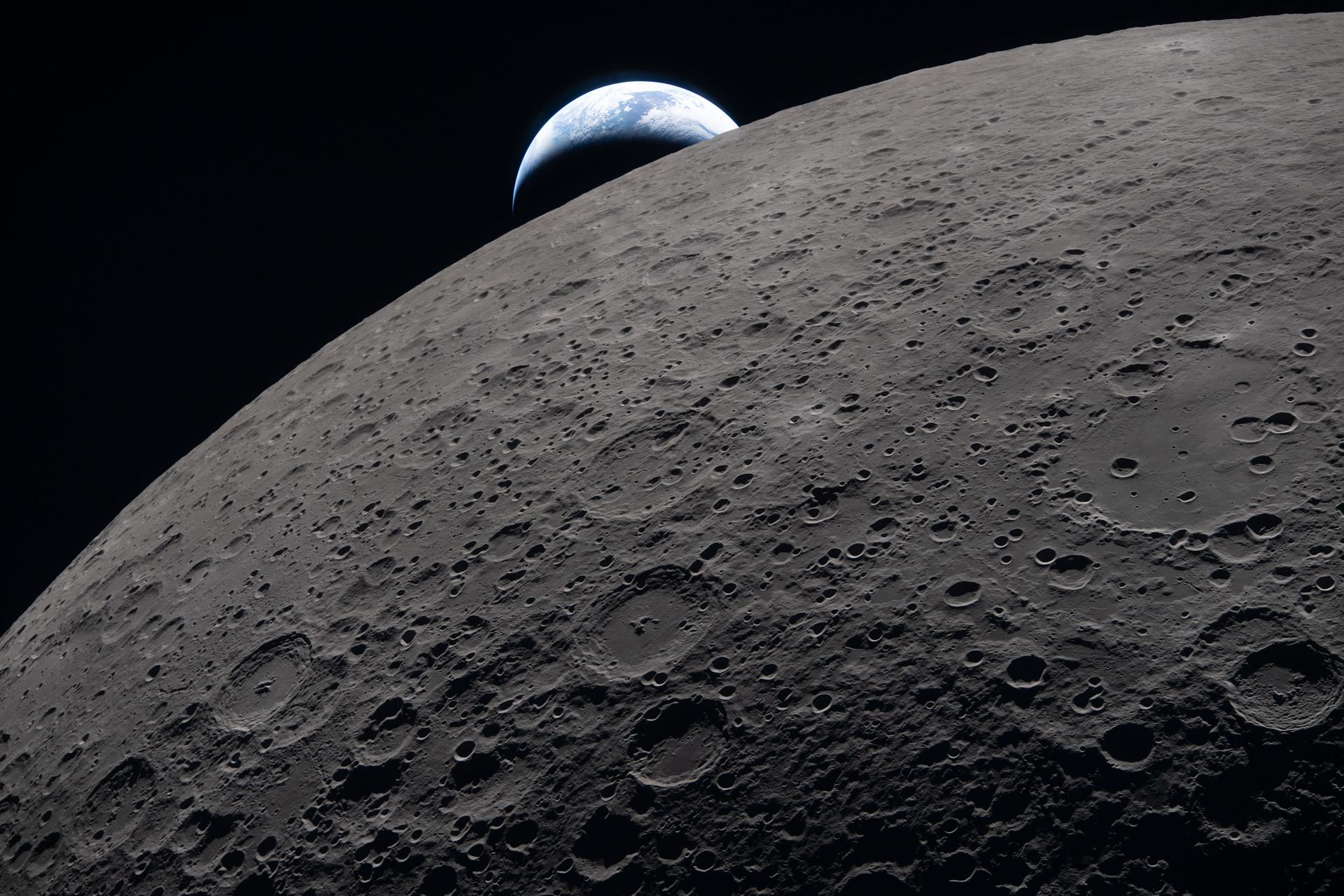
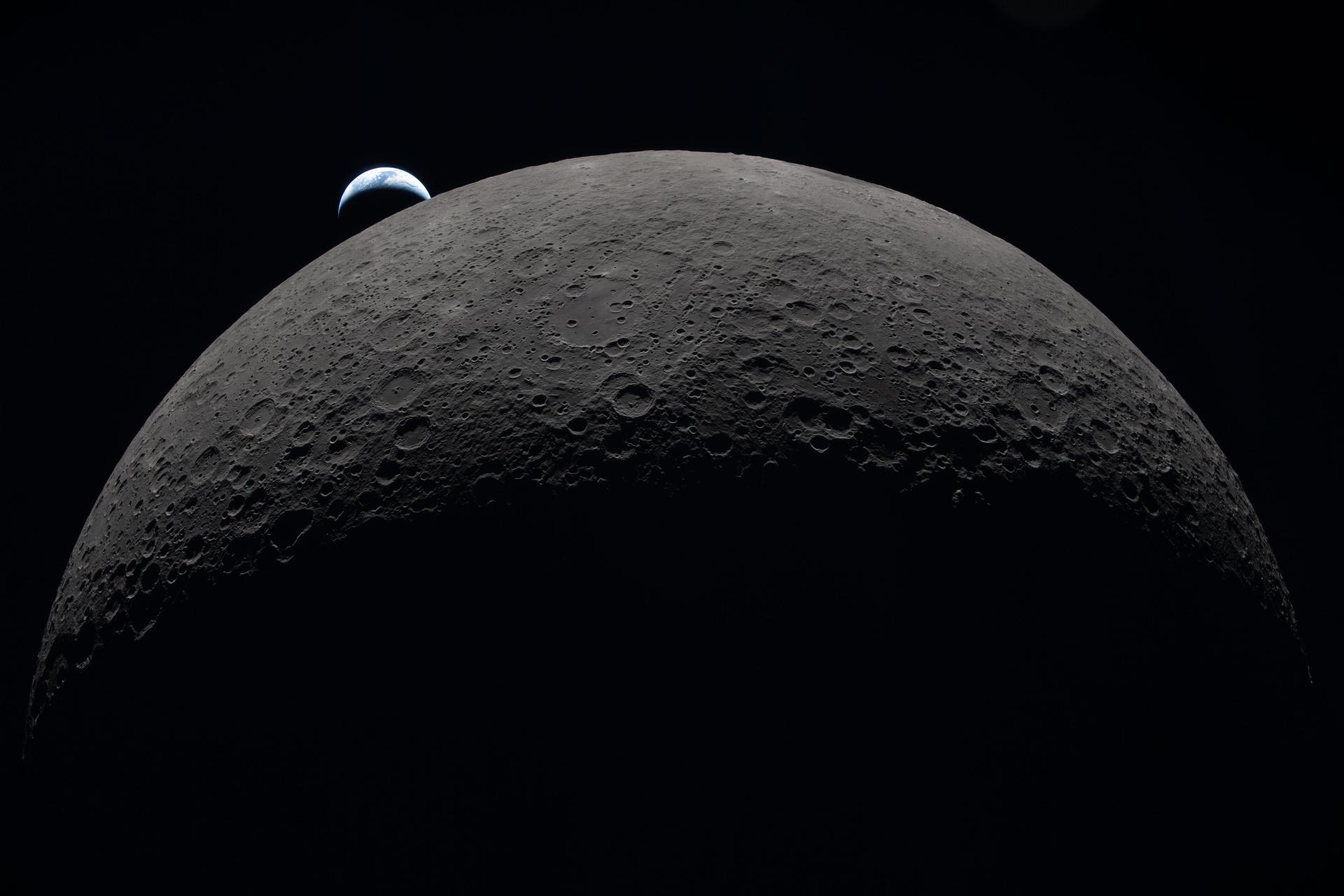
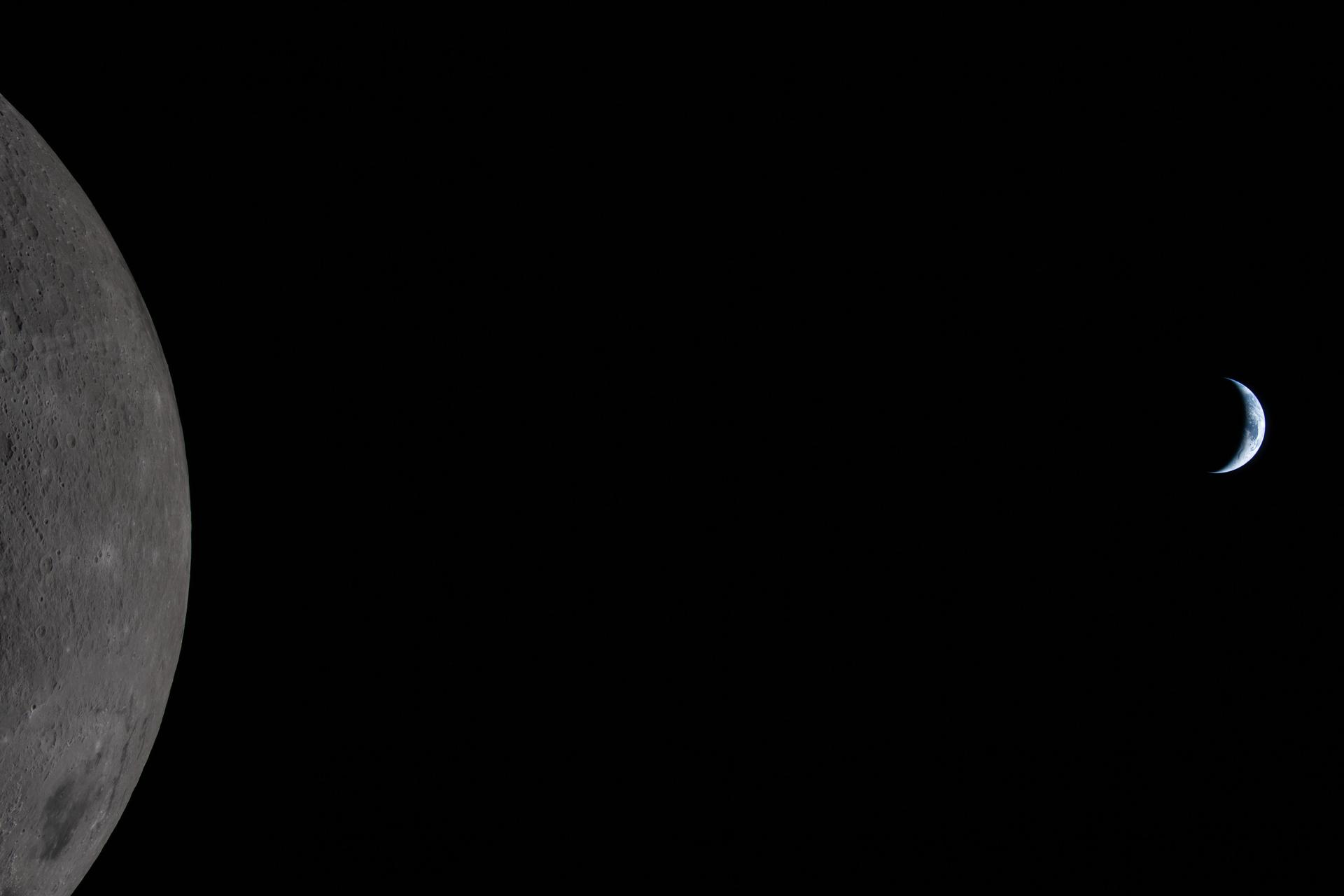
Photo credits: NASA