
Key Points
Aloe vera plants thrive when properly watered, producing a soothing gel that can be used for skincare
Water your aloe vera only once a month, letting the soil dry out completely between waterings.
Bright light affects watering needs—more sun means more water, but avoid extreme direct sunlight.
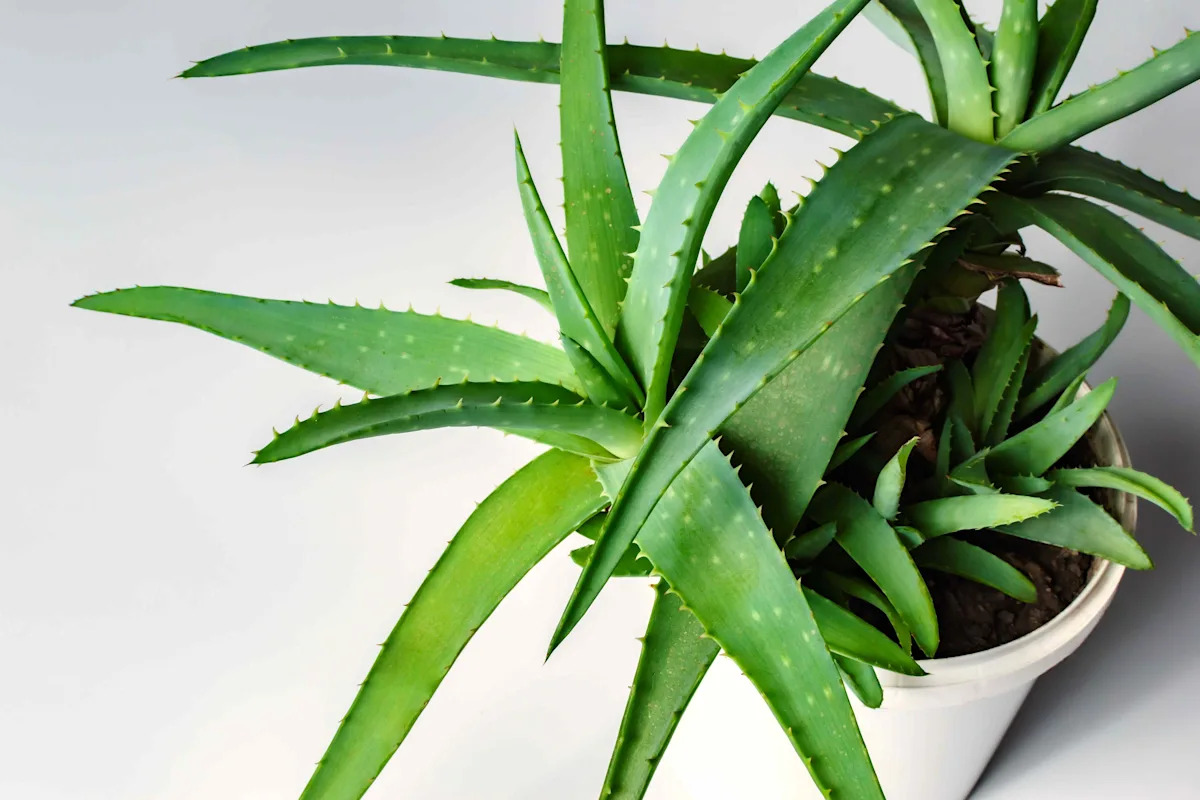
Aloe vera is more than just a beautiful houseplant. Its thick, spiny leaves also serve another purpose: producing a clear gel that can be used to ease sunburn, hydrate skin, and more.
However, only a healthy, happy aloe vera plant will yield this all-important gel; like any houseplant, it requires careful watering to support growth. So how often should you really water an aloe vera plant? We spoke with experts to get the full story.
Meet Our Expert
Related: How to Grow and Care for Aloe Vera, Both Indoors and Outside
How Often to Water
Aloe vera is a succulent, so you don’t have to water it very often. In fact, you’re far more likely to accidentally overwater it than underwater it.
“It likes to be left alone, and almost neglected,” says Samantha Adler, owner of Houseplant Concierge. “It needs its soil to dry out 100 percent between waterings, so expect to water it about once a month.”
Factors to Consider
Soil: Your aloe should be planted in well-draining soil—Shane Pliska, president and CEO of Planterra, recommends using a pot made with a well-draining material, too, like terracotta.
Light: Sun can impact how often you water your aloe. “Aloe loves bright light, so the more sun it receives, the more often you will need to water it,” he says. “For example, your aloe is on the windowsill, then you will need to water it less in the winter when the days are shorter and overcast.” However, there is such a thing as too much sun. Adler notes that intense direct sunlight can burn aloe, causing the leaves to turn purple.
How to Water
Adler recommends watering aloe vera via the “soak and dry method.” So when you water it, be thorough, then wait for the soil to dry out completely before watering again.
“You can also water it from the bottom, letting the soil soak up water from the saucer, but I tend to like watering from the top better in order to really judge how much water it is taking,” she says.
Signs of Overwatering
When it comes to aloe vera care, the most common mistake is overwatering. Since these succulents need to be watered so infrequently, many well-meaning plant owners accidentally give them too much water.
“Signs of trouble include soft or mushy foliage, collapsed growth, or wet or waterlogged soil,” says Pliska. Adler notes that these symptoms are often accompanied by yellow or brown leaves and black slimy roots.
Signs of Underwatering
It’s less likely that you’ll underwater your aloe, but it’s still possible. “It will start to shrivel, [leaves] will become thin and curled, and lose their upright structure,” says Alder. The tips may also become brown and dry.
However, “It’s better to underwater your aloe,” says Pliska. “It’s evolved to recover from drought, but aloe won’t recover if it’s been waterlogged.”
Read the original article on Martha Stewart