
A former Alabama football player is at the center of a sweeping federal fraud case that has sent shockwaves through both college and professional football circles. Prosecutors allege that Luther Davis orchestrated an elaborate scheme involving impersonation, fake identities, and nearly $20 million in fraudulent loan applications.
According to federal court records, Davis is accused of posing as multiple NFL players over a period spanning from May 2023 to October 2024. Authorities say he used disguises, including wigs, along with falsified driver’s licenses and fabricated email accounts to convincingly assume the identities of established professional athletes.
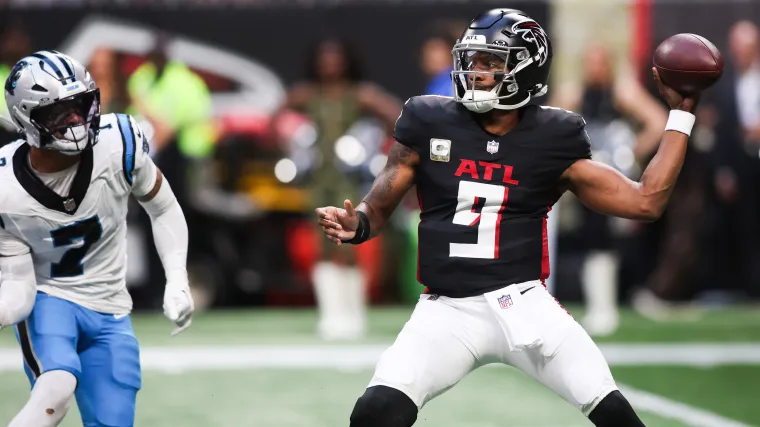
Among the players allegedly targeted in the scheme are Atlanta Falcons quarterback Michael Penix Jr., former Cleveland Browns tight end David Njoku, and Green Bay Packers safety Xavier McKinney. Court filings emphasize that none of the players had any knowledge of or involvement in the loan applications, nor did they authorize anyone to act on their behalf.
Investigators claim Davis worked with an associate, CJ Evins, to carry out the operation. Together, they allegedly approached multiple lending institutions, successfully securing significant sums by exploiting the financial credibility and public profiles of the players they impersonated. The fraudulent activity reportedly went undetected for months before authorities uncovered inconsistencies that led to a broader investigation.
Fraud scheme nears turning point as co-defendant plans guilty plea
Both Davis and Evins now face serious federal charges, including wire fraud and identity theft. These charges carry substantial penalties if convictions are secured, reflecting the scale and sophistication of the alleged operation.
Plea hearings for both individuals are scheduled for April 27. Evins’ attorney has indicated that his client intends to plead guilty, signaling a potential turning point in the case. It remains unclear how Davis will proceed.
The case highlights growing concerns around identity theft in the digital age, particularly involving high-profile athletes whose public information can be more easily exploited. For the NFL players involved, the situation represents an unusual off-field challenge—one that underscores the vulnerabilities even elite professionals face beyond the game.