
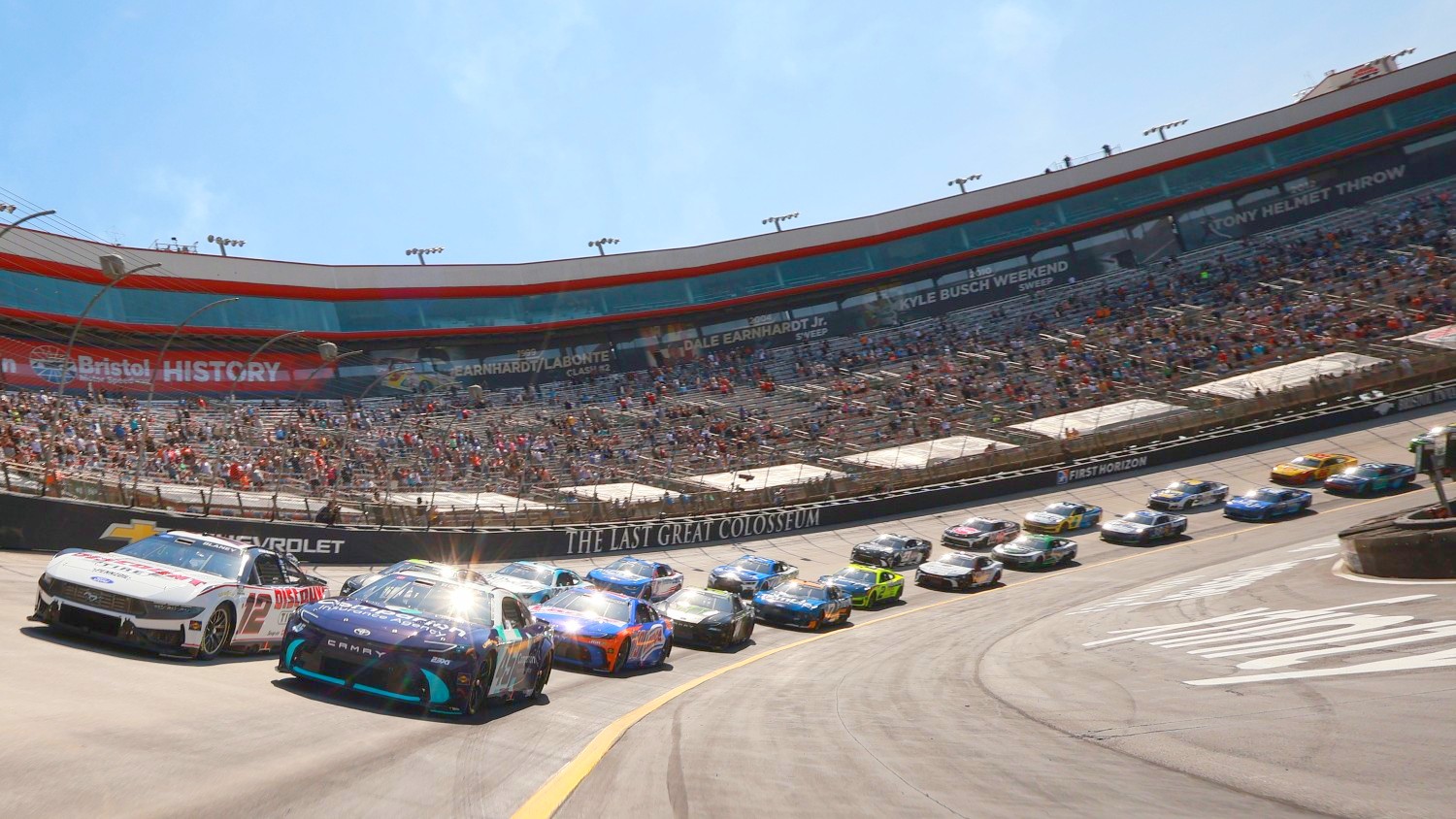
NASCAR was born in the moonshine-running hills of the South. From dusty dirt tracks in North Carolina to the high-banked thunder of Talladega and Bristol, stock-car racing built its empire on Southern soil, Southern drivers, and Southern fans who packed grandstands by the hundreds of thousands. But on April 12, 2026, at Bristol Motor Speedway — the “World’s Fastest Half-Mile” and a crown jewel of Southern racing — the stands told a different story.
–by Mark Cipolloni–
Former driver Jeremy Mayfield took to Facebook and didn’t hold back. After watching Ty Gibbs claim his first Cup win in front of what he called “100,000 empty seats,” Mayfield wrote: “If the ‘World’s Fastest Half Mile’ can’t outdraw a Sunday at Augusta, then NASCAR has officially lost the south.” He compared the scene to COVID-era racing and asked whether it was the cars, the drivers, or the once-mighty Colosseum of Bristol that had become a graveyard.
Official estimates put attendance for the Food City 500 at roughly 70,000 fans in a venue with a current listed capacity of 146,000—about 48 percent full—even after Bristol had already removed around 16,000 seats in 2024 specifically to improve the optics of crowd size. Television viewership on FS1 fell below 2 million for the first time in the channel’s NASCAR history, drawing just 1.945 million viewers.
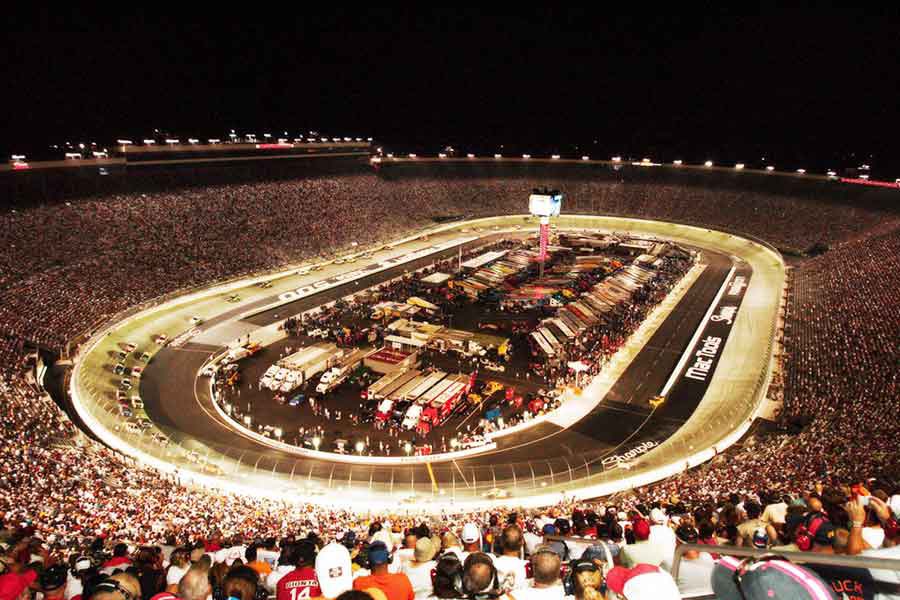 Bristol used to always sell out
The numbers are not isolated. Across the 2025 season, NASCAR Cup Series viewership dropped 14 percent overall, averaging roughly 2.45–2.48 million viewers per race — the first time it has ever dipped below 2.5 million for a full season. Playoff races hit record lows in some cases, and the 2026 season has opened with continued softness, including Bristol’s early-season ratings dip.
A Long, Slow Erosion
The decline didn’t start yesterday. Attendance at iconic Southern venues has been sliding for more than a decade. Talladega, once drawing 170,000, now hovers closer to 80,000 in some reports. Charlotte has gone from 180,000 to around 100,000. Tracks from Dover to Michigan have seen similar collapses from their 1990s–2000s peaks. In response, nearly every major speedway has quietly “right-sized” by tearing down or covering sections of grandstands to hide the gaps — Bristol, Daytona, Atlanta, Talladega, and others all reduced capacity over the past 15 years.
NASCAR’s own history shows the shift. In 1965, more than 90 percent of the schedule was in the South. By the late 1990s it was still above 70 percent. Today the South accounts for roughly half the calendar, while new markets in the Northeast, Midwest, West, and even international venues like Mexico City have taken slots once held by traditional Southern tracks such as North Wilkesboro and Rockingham.
Why the Southern Core Is Drifting Away
Fans and insiders point to several factors.
Cost: A family of four can easily spend $4,000 for a race weekend when factoring in inflated hotel rates, tickets, parking, and concessions that have risen 200–500 percent in major markets like Daytona, Talladega, and Bristol. Many traditional blue-collar fans who once made the pilgrimage say they’ve been priced out.
The Product and Schedule: Critics argue the Next Gen car, stage racing, and frequent rule tweaks have made on-track action less compelling for longtime fans who remember the raw, no-holds-barred racing of the 1990s and 2000s. The playoff format remains polarizing. Meanwhile, moving races to Chicago, Los Angeles, or international venues has been viewed by some as chasing new fans at the expense of the loyal Southern base.
Cultural and Demographic Shifts: NASCAR’s attempts in the 2000s and 2020s to broaden its appeal — moving away from its “Southeastern redneck heritage,” as one executive once put it — included retiring Confederate flags, diversifying driver rosters, and emphasizing inclusivity. While these moves attracted corporate sponsors and some new viewers, they alienated portions of the traditional audience. The retirement of stars like Dale Earnhardt Jr. and Jeff Gordon left a charisma vacuum that younger drivers have struggled to fill.
Viewing Habits: Many fans now stream races at home rather than endure traffic, weather, and high costs. The 2025 media rights deal spread races across more cable and streaming platforms, fragmenting the audience and contributing to the expected 14–15 percent viewership reset that NASCAR executives openly predicted.
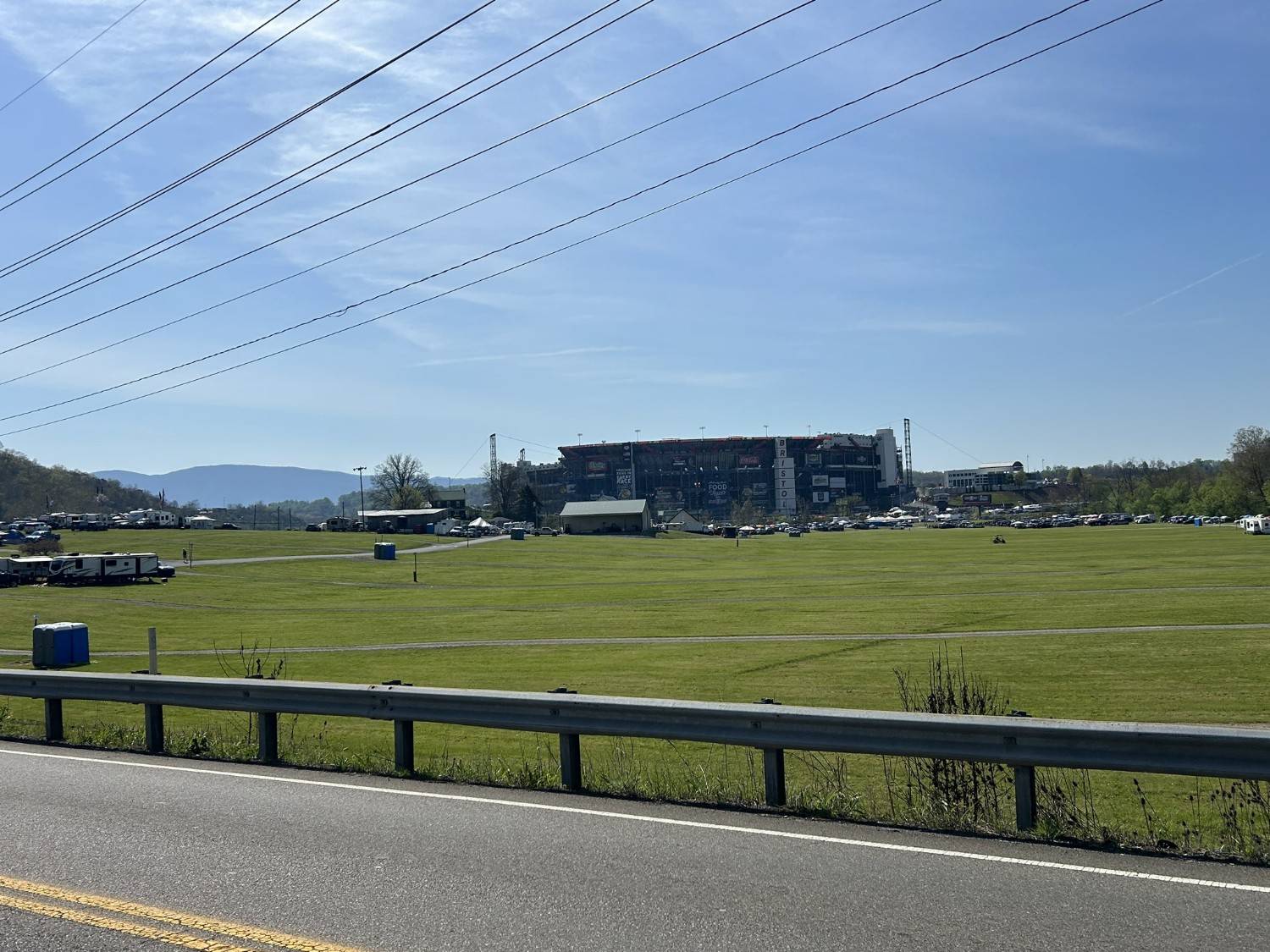 This Bristol camping parking lot used to always be jam packed
Not Dead Yet — and Not Just the South
It would be unfair to paint a picture of total collapse. Talladega still draws massive weekend-long crowds thanks to free infield camping and its party atmosphere. Some short-track events and throwback weekends generate buzz. The Xfinity Series actually gained 10 percent in viewership in 2025 after moving to network TV on The CW. And NASCAR has taken visible steps in 2026: returning to Rockingham, adding Chicagoland back, tweaking the playoff format, increasing engine horsepower, and focusing on both die-hard and new fans.
Bristol itself still outdrew many other venues even at half-capacity, and some fans argue 50,000–70,000 is respectable in the current economy.
The Question Remains
Has NASCAR lost its core Southern fanbase? The empty seats at Bristol, the sustained attendance drops at Charlotte, Atlanta, and Darlington, and the steady erosion of TV numbers suggest the sport has, at minimum, strained that relationship. The South built NASCAR. For decades it was the heart and soul of the schedule. When the “Colosseum” in Bristol looks half-empty and can’t compete with a golf tournament two states away, it’s hard to dismiss Mayfield’s blunt assessment as mere nostalgia.
Yet NASCAR has always evolved — from dirt to pavement, from regional curiosity to national brand. The challenge now is whether it can evolve without leaving its most passionate fans behind. Lower ticket prices, more short-track and traditional Southern dates, better storytelling around drivers, and a renewed focus on affordable, high-energy race-day experiences could help. Without those, the sport risks turning its historic heartland into a graveyard of empty seats.
The green flag is still waving. But the roar from the grandstands isn’t what it used to be. The question for NASCAR executives isn’t whether they’ve lost the South — it’s whether they’re willing to fight to win it back.