
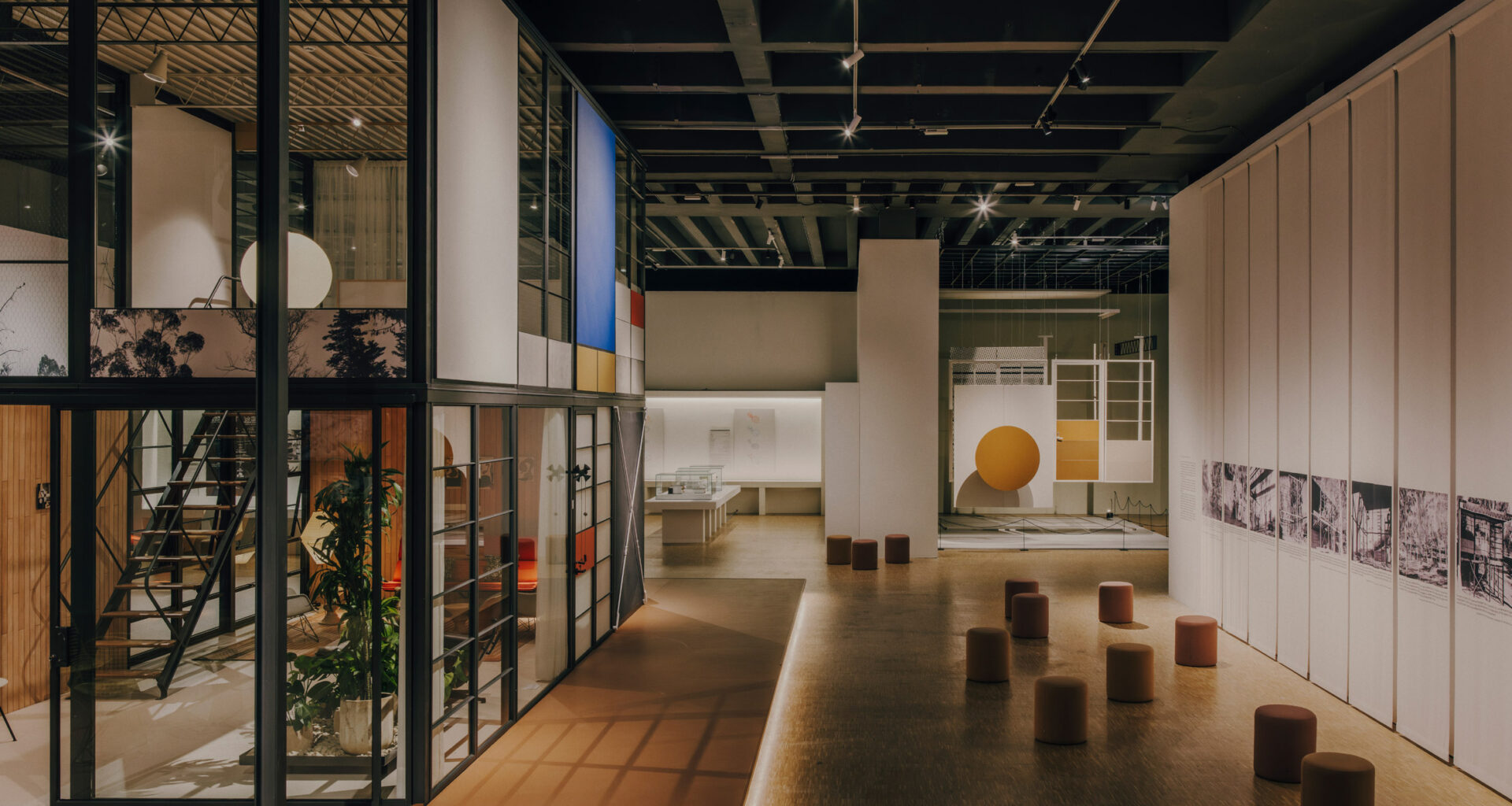
A modular construction kit based on Charles and Ray Eames‘ iconic mid-century modern home will be launched at an exhibition celebrating the duo’s architectural legacy at Triennale Milano during Milan design week.
The Eames Pavilion System forms the centrepiece of The Eames Houses exhibition, which explores the architectural principles developed by the California-based couple during the 1940s and 1950s.
The Eames Office, which was established by Charles and Ray Eames in 1941 and is now led by the Eames family, teamed up with Spanish furniture brand Kettal to develop the system based on the Eames’ vision for modular, human-scale residential architecture.
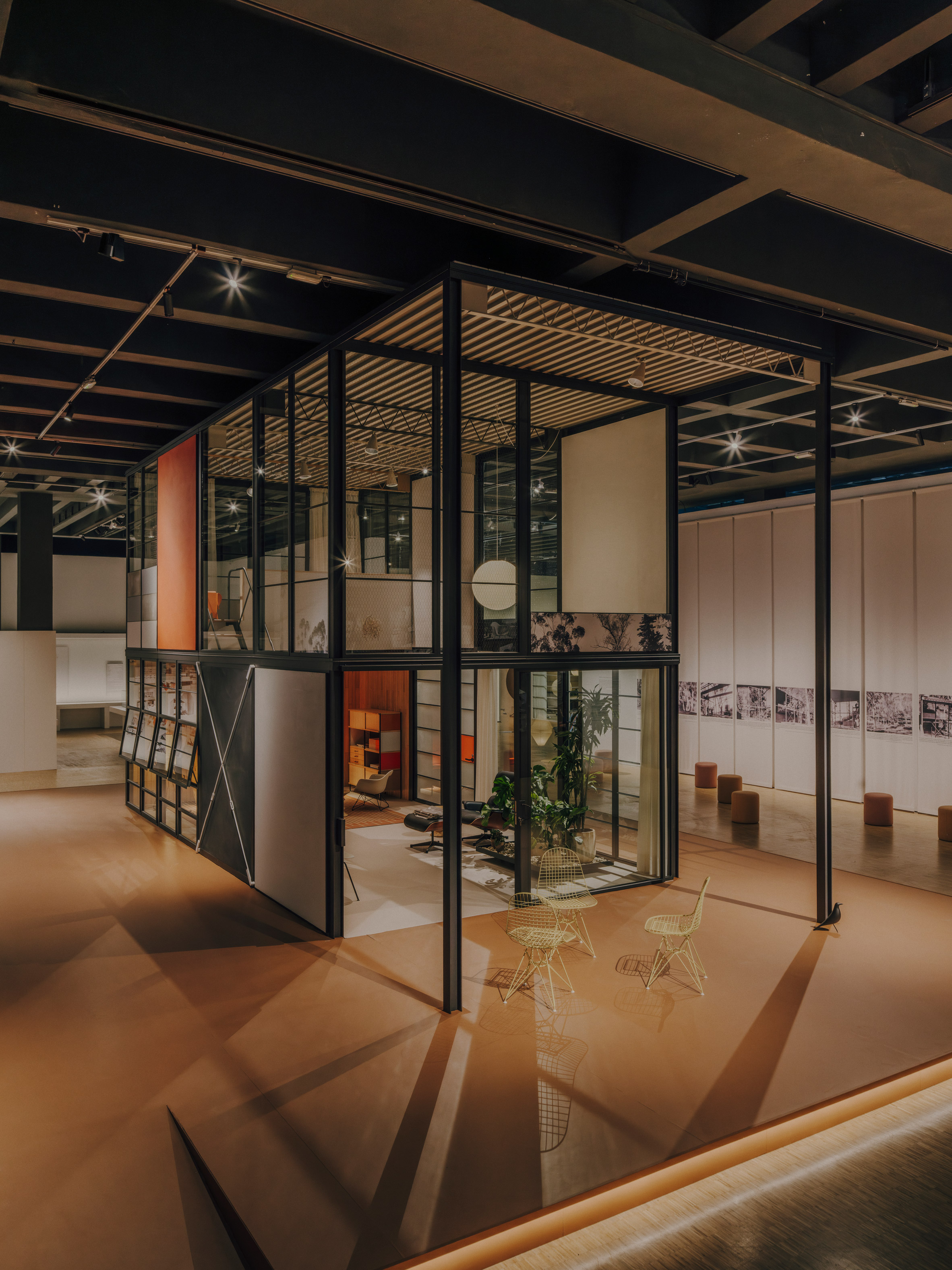 A modular house was created at Triennale Milano
Speaking to Dezeen ahead of the exhibition’s opening, Eames Demetrios, the grandson of Charles and Ray Eames, said that the project represents an authentic evolution of the couple’s pioneering steel-frame and timber-frame residences, including their own home, Case Study House No 8.
“People have always treated the Eames House as kind of a singularity, when actually it was not,” he explained.
“Charles and Ray were intrigued by the idea of systems thinking and the house was just one example of this.”
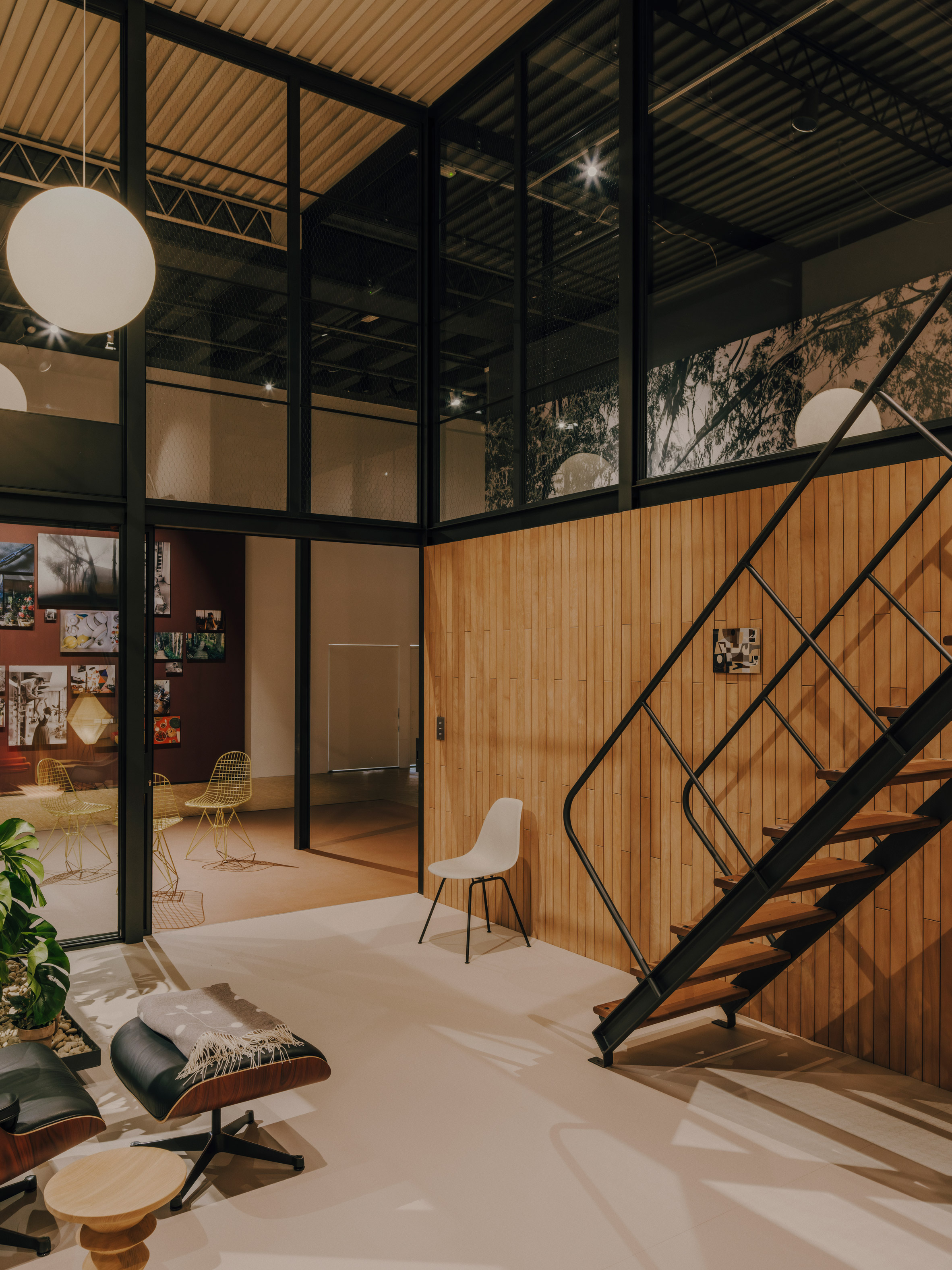 The house was made from a system based on Charles and Ray Eames’ architecture
The main attraction of the 800-square-metre exhibition is a two-storey building constructed using the pavilion system, which was developed under the stewardship of longtime Eames Office collaborator and design consultant Eckart Maise.
“The Eames System is not a fussy copy of the Eames House,” Maise told Dezeen. “It’s something else entirely and yet it is part of the Eames House story and has the same DNA.”
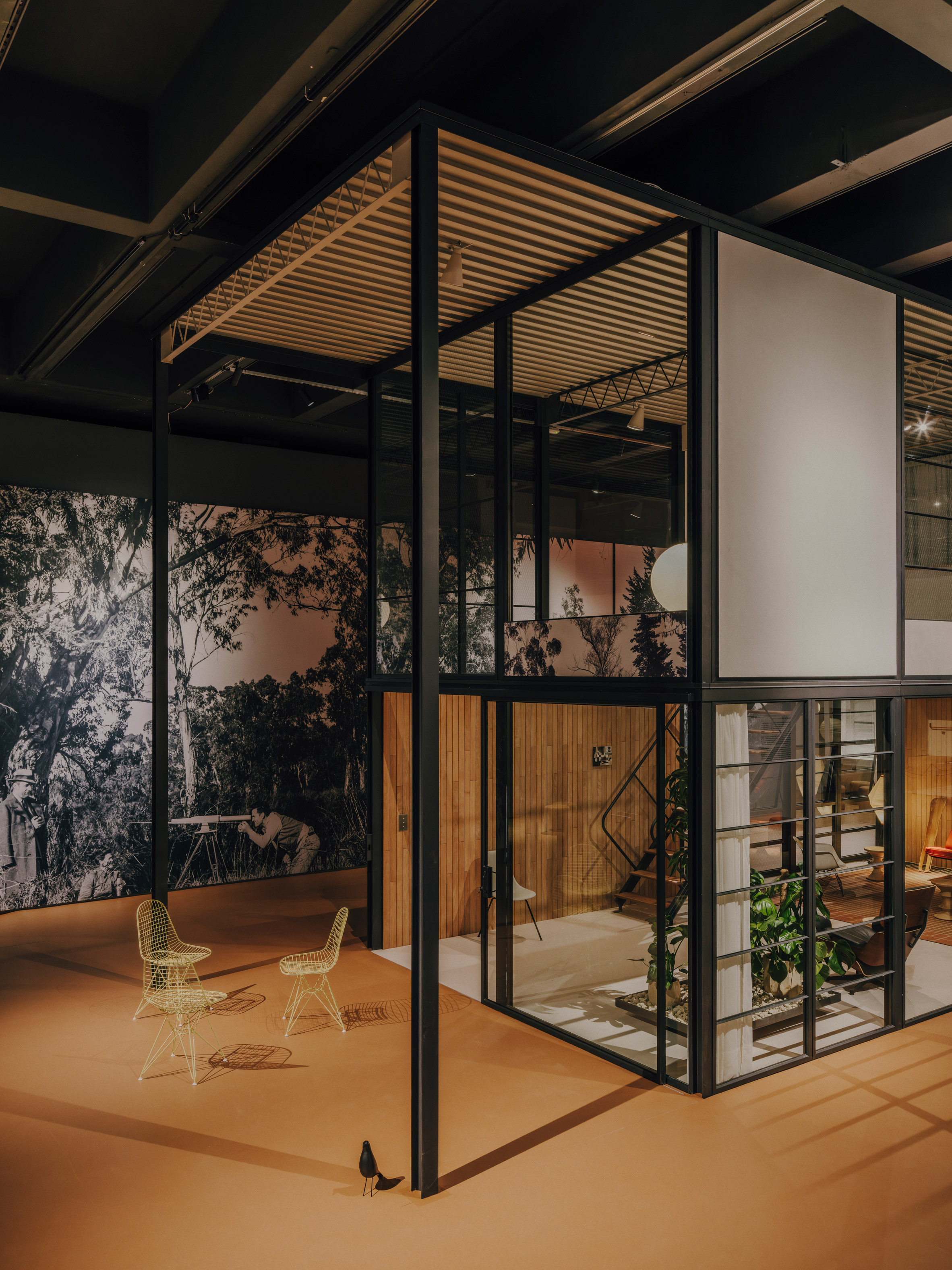 The modular system is being launched at Milan design week
Maise led a three-year research process focused on the Eames’ built and unbuilt residential projects, unearthing previously unseen material from the Eames Office archive that will form part of the exhibition.
“Even the most enthusiastic Eames buff will see new things here,” claimed Demetrios, adding that stepping inside the pavilion is the next best thing to visiting the original Eames House in Los Angeles.
The exhibition will also present scale models of some of the Case Study Houses developed in response to a programme sponsored by Arts & Architecture magazine that set out to identify new ways of building using industrial processes in the aftermath of the second world war.

Eames House and studio reopens following Los Angeles fires
An accompanying book published by Phaidon will collate the couple’s residential architecture projects for the first time, demonstrating how they sought to design buildings as a flexible background for life and work.
“Architecture was foundational to Charles and Ray’s practice,” Maise pointed out. “While the public often associates their work primarily with furniture, their systemic architectural thinking shaped everything they did.”
“Introducing The Eames Houses – both the exhibition and the book – and partnering with Kettal allows their ideas to move from the archive into contemporary living, situating their thinking firmly in the present.”
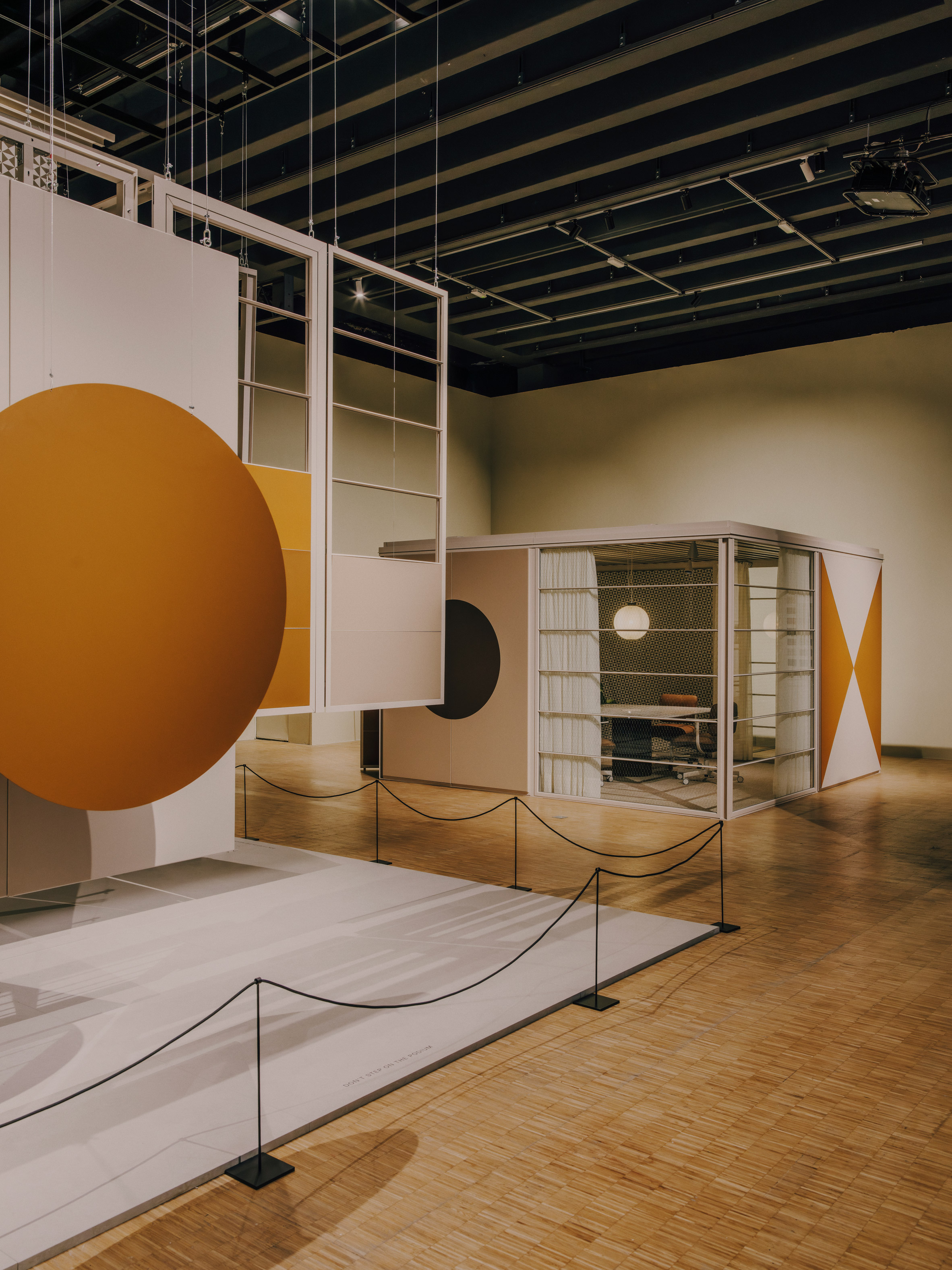 The house forms part of an exhibition focused on the duo’s legacy
According to Demetrios, the Eames Pavilion System represents the fulfilment of a project the Eames Office has been exploring since Ray Eames passed away in 1988.
Asked whether his grandparents would appreciate these efforts to translate their vision into a globally available system, he said: “I’m sure they’d think it was totally cool.”
“Every designer wants their work to continue being developed after they die, and in our case Charles and Ray trusted their family to take ownership of that process,” he pointed out.
“The Eames Pavilion System is one of our boldest moves yet, but it’s entirely in keeping with the idea that stewardship doesn’t just mean looking back all the time,” he added.
“It really means deeply understanding the work that was done and how it makes its way into the future at a smaller scale.”
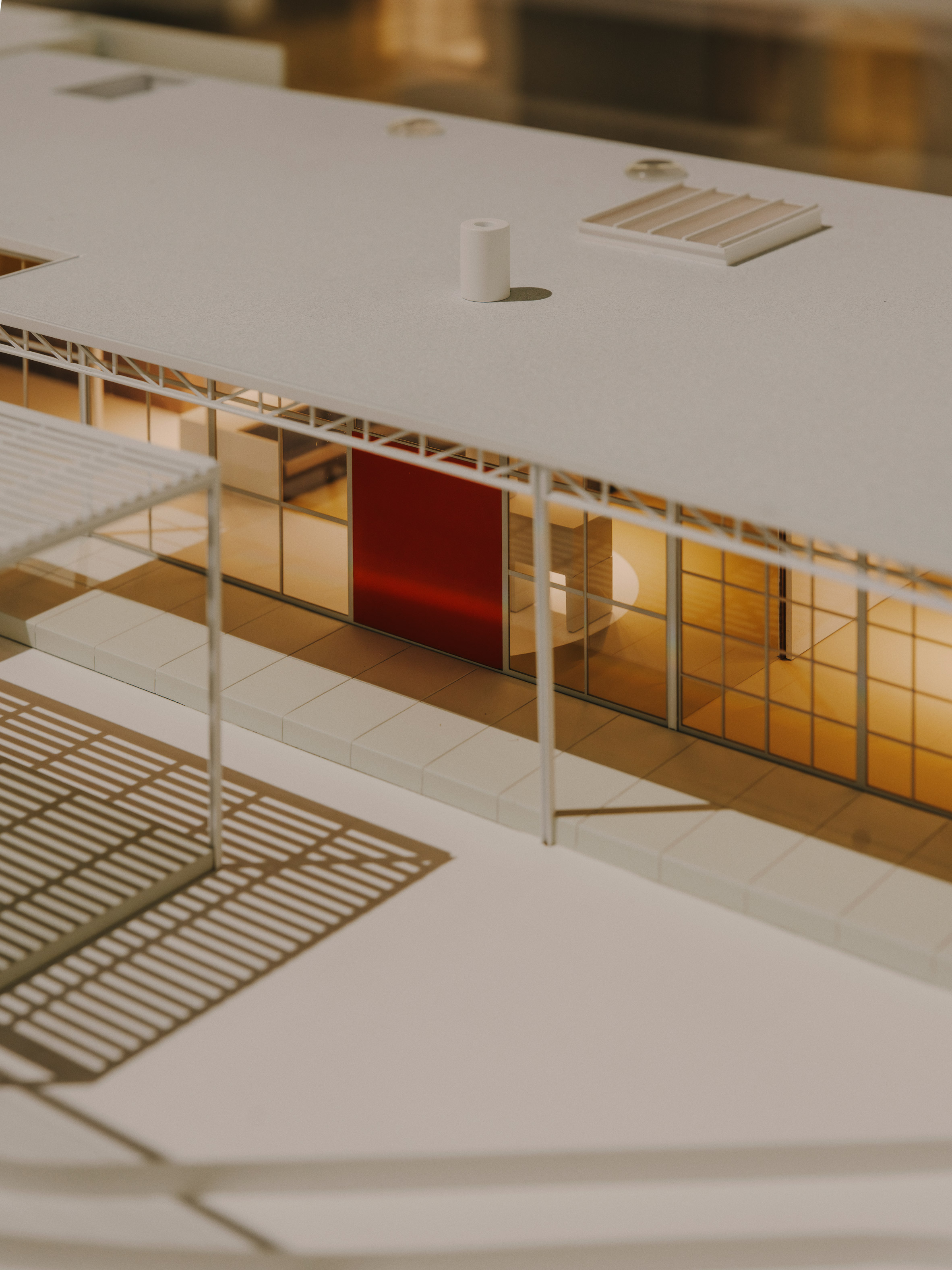 The modular system builds on the duo’s original house designs
The modular construction system condenses and modernises some of the Eames’ core architectural ideas, including the use of a rational grid, a small footprint with maximum volume, and a structure that can be adapted over time.
It comprises repeatable modules that can combine with interchangeable roofs, facade infills, glazing, textiles and accessories to create single-storey pavilions or two-storey buildings.
The Eames Office collaborated closely with Kettal on the project, benefitting from the Barcelona-based brand’s experience in designing small-scale architectural systems for outdoor living.
The company’s creative director Antonio Navarro helped to standardise and industrialise the system, creating a limited number of elements that are straightforward to transport, assemble and demount.
“The new system balances Charles and Ray’s original intent with contemporary innovation,” Navarro claimed.
“High-precision aluminium profiles, engineered decking, bioclimatic roofs, integrated lighting and HVAC, and digital configurators are modern layers added to their grammar,” he added. “The goal is evolution, not stylistic reproduction.”
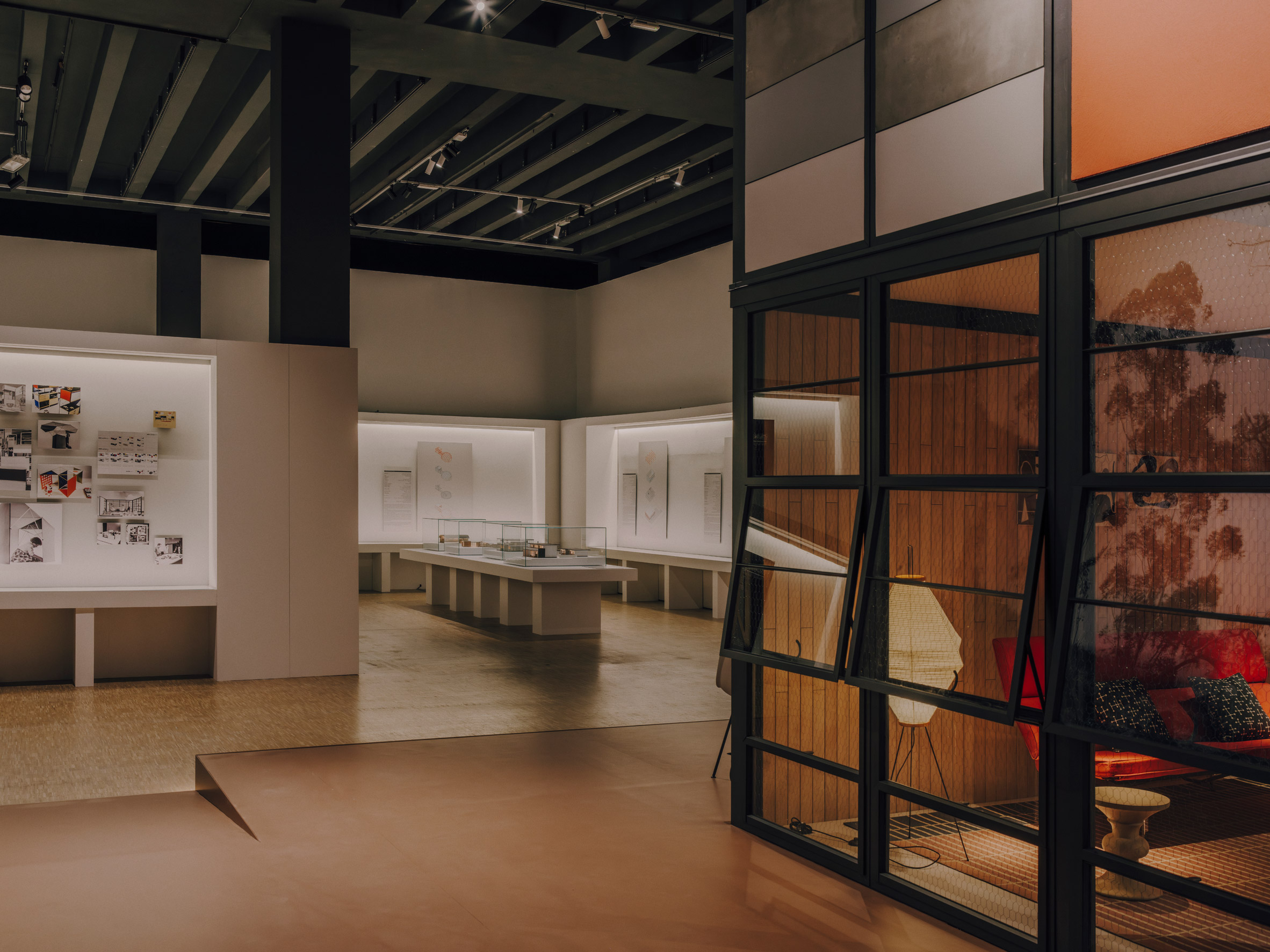 The modern system was designed to be authentic
The system was designed to provide an authentic Eames experience of space, quality and attention to detail, while meeting contemporary technical and regulatory standards.
The components will be manufactured at Kettal’s facility in Spain and shipped worldwide, with a specialist from the company supporting each project throughout the planning and installation process.
Examples of possible use cases include holiday homes or associated dwelling units (ADUs), pool houses, pop-up retail spaces, workplace meeting rooms or additional accommodation for hotels, restaurants and resorts.

Charles and Ray Eames changed the landscape of design with “just a few chairs and a house”
Demetrios told Dezeen that the project aligns with his grandparents’ vision for creating mass-produced housing that enables rapid construction while providing a high quality environment for occupants.
“This isn’t just about putting more Eames-like houses into the world,” he claimed. “We really think that this can make people’s lives more beautiful and there’s a great need for that right now, particularly in the US.”
“I genuinely think it could be part of the solution to the current housing crisis,” he added.
“It’s not going to fix the need for social housing in large volumes but it might encourage people to build ADUs, to build houses that are smaller but have a fantastic quality to them, so it could be one element of the solution.”
Visitors to The Eames Houses exhibition will be able to experience full-scale installations of Eames Pavilions, alongside archival drawings, films, photographs and newly commissioned scale models of eight Eames-designed houses – many of them unbuilt.
Together with the book, the presentation will highlight how architecture was a significant part of the Eames’ practice that supported their more recognised output, including furniture, toys, photography and films.
The photography is by Salva Lopez.
The Eames Houses exhibition is on show at Triennale Milano from 21 April – 10 May 2026. See Dezeen Events Guide for more architecture and design events around the world.