
Your support helps us to tell the story
From reproductive rights to climate change to Big Tech, The Independent is on the ground when the story is developing. Whether it’s investigating the financials of Elon Musk’s pro-Trump PAC or producing our latest documentary, ‘The A Word’, which shines a light on the American women fighting for reproductive rights, we know how important it is to parse out the facts from the messaging.
At such a critical moment in US history, we need reporters on the ground. Your donation allows us to keep sending journalists to speak to both sides of the story.
The Independent is trusted by Americans across the entire political spectrum. And unlike many other quality news outlets, we choose not to lock Americans out of our reporting and analysis with paywalls. We believe quality journalism should be available to everyone, paid for by those who can afford it.
Your support makes all the difference.Read more
More American workers and those already in retirement agree that the financial outlook for their golden years is getting worse.
A long-running survey, polling people still working and those who have already stopped found that while 64 percent are confident they have the funds to live a comfortable retirement, that number is down six points in only a year.
The rising concerns in both workers and retirees are centered on one major issue: Social Security. Around half of workers and 40 percent of retirees believe it won’t “continue to provide benefits of equal value in the future,” the Employee Benefit Research Institute and Greenwald Research survey reported Tuesday.
The U.S. Social Security system, which Americans pay into during their working lives to then later draw from in retirement, will be severely depleted by 2032, the Congressional Budget Office reported in February. Fewer workers supporting the system and an aging U.S. population pulling money out has drained large amounts from the fund.
It means payments could drop by as much as 20 to 25 percent, Nick St. George, owner of North Carolina-based St. George Wealth Management, told The Independent in an email. A 25 percent drop would decrease the average Social Security payment from $2,071 to $1,553.
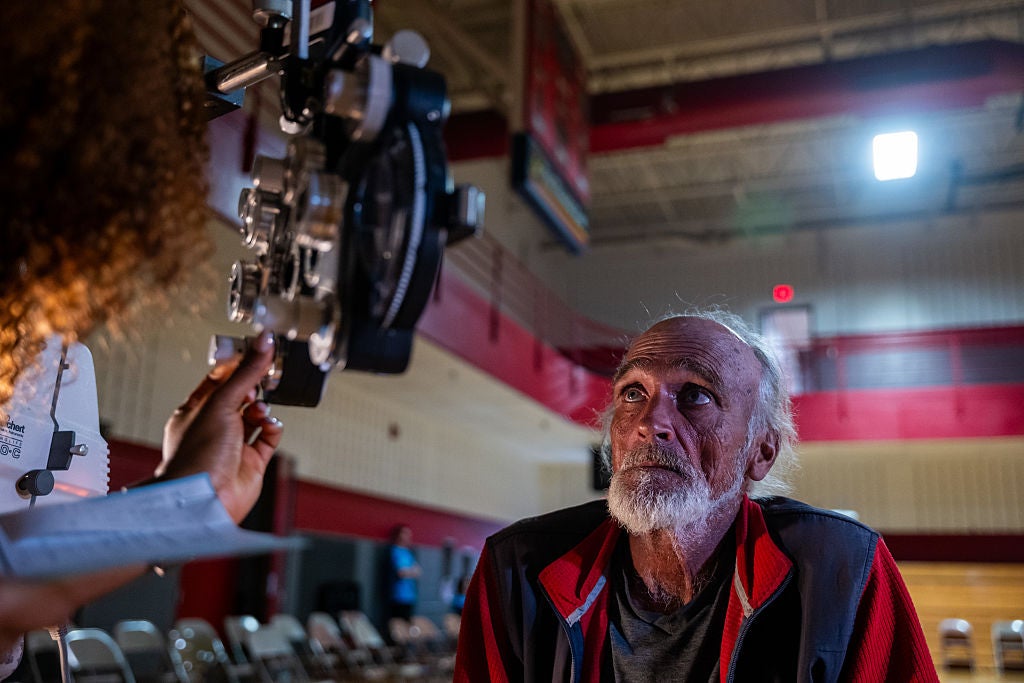 The average retiree will spend $172,500 on healthcare costs during their golden years, according to a July 2025 study from healthcare research, polling and data firm KFF (Getty Images)
Social Security’s delicate situation puts those nearing retirement in the next decade in a tough spot. They may have estimated their retirement needs based on typical Social Security payments until now and not reduced disbursements in 2032 and beyond.
Other financial concerns plague workers and retirees, according to the new survey. Nearly 60 percent of workers say health care costs are limiting their ability to save for retirement. And some 40 percent of retirees say their health care expenses are higher than what they anticipated.
The concerns are valid – retirement medical bills are hefty. The average retiree will spend $172,500 on healthcare costs during their golden years, according to a 2025 study from healthcare research, polling and data firm KFF.
Medicare premiums, which many retirees pay for healthcare from their state program, can gobble up as much as one-fourth of a retiree’s Social Security payments, KFF found in a separate study.
The solution for a stable retirement amid tenuous financial situations is not easy, but it’s straightforward, according to Greenwald Research CEO Lisa Greenwald.
“The results show a clear need for more guidance, better planning tools and solutions that help people turn savings into lasting financial security,” Greenwald said.