
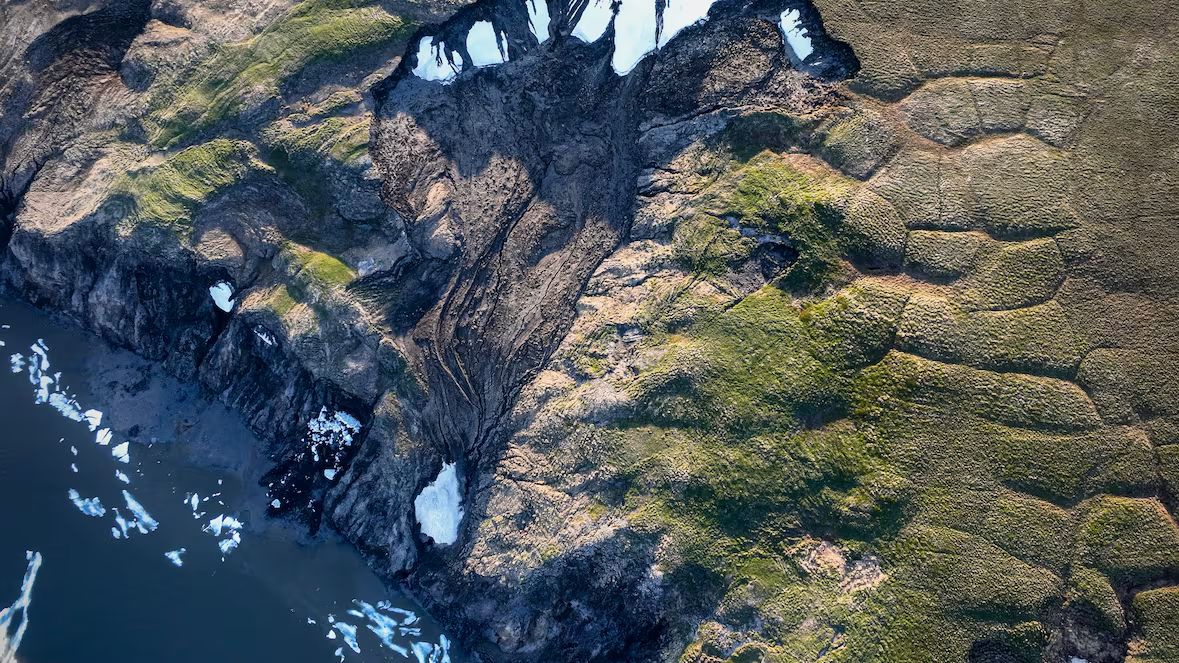
“And that has implications for the carbon cycle, for wildlife, for people,” she said.
Gordon says these changes have forced the Inuvialuit to adapt their subsistence harvesting in the area. He says people used to hunt caribou on the island, but in recent years, he hasn’t seen caribou on the island.
Erosion caused by thawing permafrost has also increased sediment in the water, and is affecting the timing of the Dolly Varden run, he said. Now, Inuvialuit are harvesting whitefish and inconnu instead.
Gordon says studying how the island is changing will help Inuvialuit adapt, and witnessing the changes first-hand is the best way to document climate change on the island and across the Arctic.
“You have to witness it yourself,” he said. “Once you see it, you wonder … how fast [climate change] is moving in the circumpolar region.”
“It’s the last frontier where we have permafrost and … we’re losing it each and every year, and it changes the whole landscape.”
WATCH: Nova Scotia’s rising threat: The dangers of flash floods and washouts
Thumbnail courtesy of Ciara Norton via CBC.
The story was originally written by Tori Fitzpatrick and published for CBC News.