


Listen to this article
Estimated 2 minutes
The audio version of this article is generated by AI-based technology. Mispronunciations can occur. We are working with our partners to continually review and improve the results.
Higher investment income helped boost the City of Calgary’s bottom line last year, according to a financial report presented at city hall on Thursday.
That’s welcome news as the city is expecting nearly $50 billion in infrastructure costs over the next decade to fix aging and crumbling pipes, roads, bridges and rail lines.
The city’s total revenue increased about 20 per cent, from just over $6 billion in 2024 to $7.2 billion in 2025.
That increase came in part thanks to record investment income, totalling $452 million before expenditures. Equity investments got credit for boosting the income higher.
“Even as markets normalize compared to prior years, results did remain strong relative to the city’s investment objectives,” the city’s treasury manager Scott Brandt told the city’s audit committee.
As of the end of last year, the city’s investment portfolio stood at a market value of $7.28 billion.
WATCH | City of Calgary surplus for 2025 much higher than projected: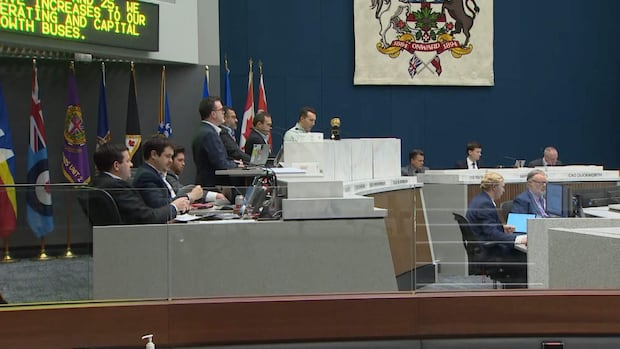
City of Calgary surplus for 2025 much higher than projected
Halfway through 2025, the City of Calgary projected a budget surplus of $175 million. Now, officials have released a much higher number — about $260 million.
Coun. Jennifer Wyness said it’s a solid return, given market uncertainty. She said going forward, city council will need to decide whether to prioritize building that nest egg or drawing from it for capital projects or other needs.
Council tapped into last year’s investment income, to the tune of about $50 million, in order to reduce the property tax increase by nearly half.
“It comes down to council prioritizing our spending. If we continue to say ‘yes’ to everything, and drain an uncertain reserve balance or investment bank account, you’re not setting Calgary up for the greatest success,” Wyness said.
Coun. John Pantazopoulos said councillors will need to maintain a healthy reserve fund “to make sure when something does go bump in the night … that we have sufficient capital and liquidity in place to make sure we meet the day-to-day operations of the city.”
The audit committee also heard expenses for the city rose in 2025, up by just under $400 million, due largely to Calgary’s growing population and inflation. Debt levels remain within a manageable range, the committee was told.