
This story is a collaboration between Concordia University’s journalism department and CBC Montreal.
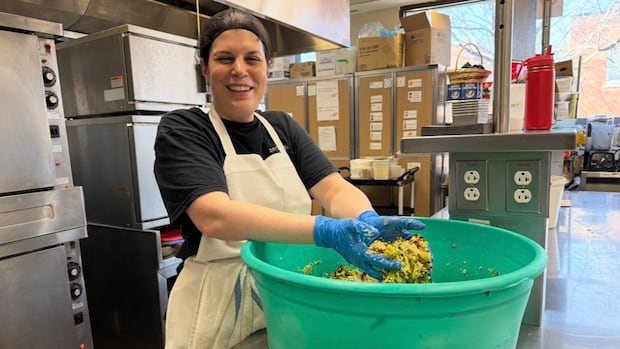
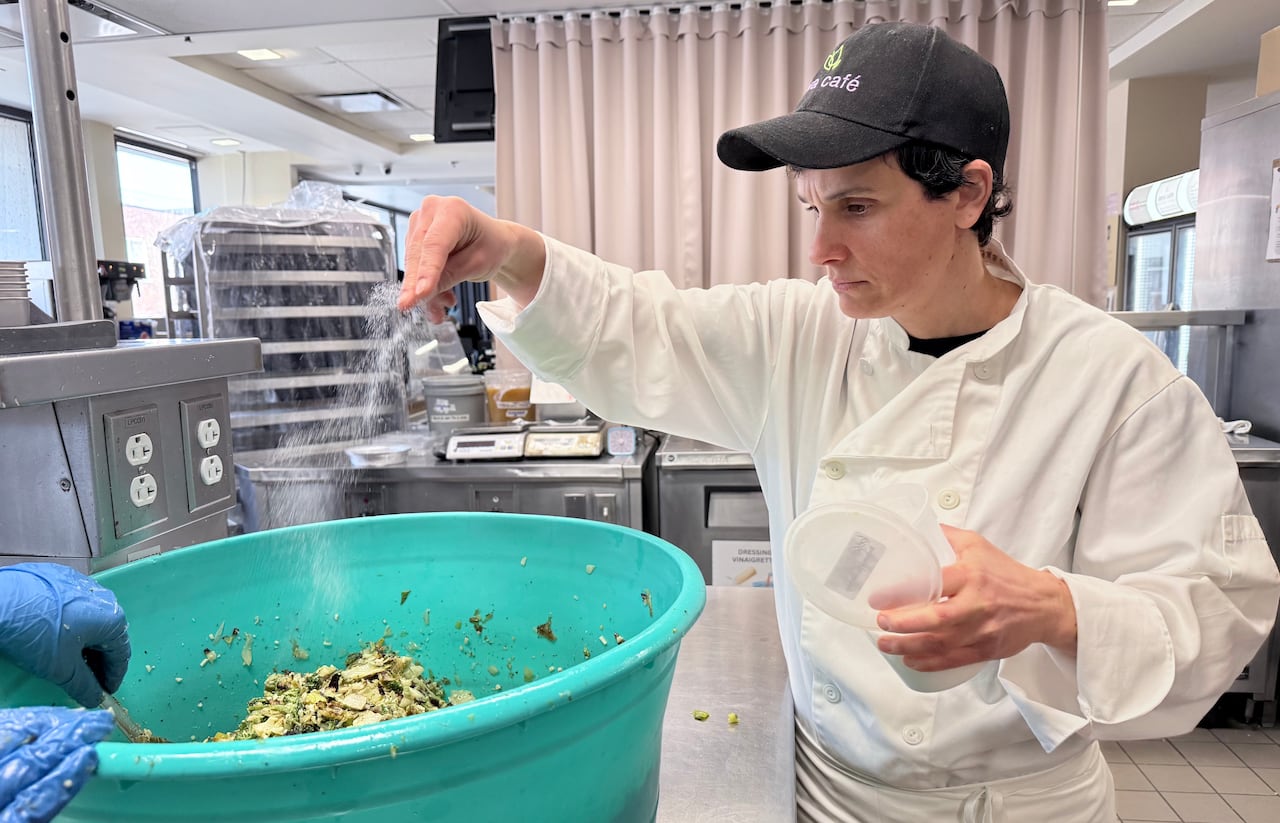
On a typical morning at Zera Café, a not-for-profit catering business in Montreal, Laura Harris clocks in at 9 a.m. She pulls on a hairnet, ties up her apron and prepares for the team huddle.
Harris, 34, was diagnosed with autism at the age five. She also lives with obsessive-compulsive disorder. She has been employed at the café for the past four and a half years, making it the longest-standing job she’s had.
Three days a week, six hours a day, Harris moves between cooking, packaging and organizing supplies.
“I love the schedule,” Harris said. “I thought about working longer hours here.”
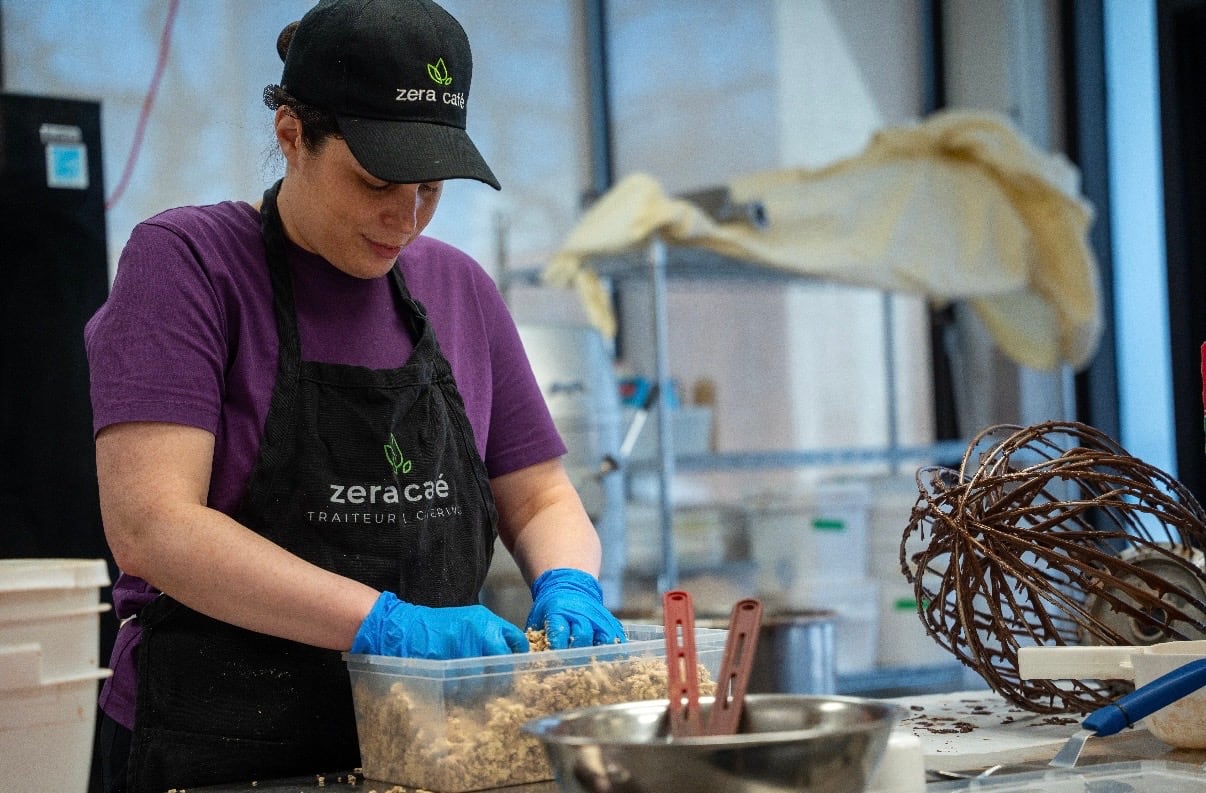 Harris has struggled to find stable employment in the past. (Ari Prosserman)
Throughout her adult life, Harris has struggled to navigate workplaces. She has gone from having no jobs at all, to short-term positions, to workplaces that didn’t always understand her needs.
“There were some employers who weren’t that nice or inclusive to me,” Harris said.
Her experience is part of a growing movement in Montreal, where organizations are launching programs to help neurodivergent individuals enter the workforce and secure long-term, meaningful employment, while providing employers with the tools they need to support them.
A pathway into employment
Harris found her way to Zera Café through Agence Ometz, a Montreal-based non-profit that helps individuals prepare for and secure meaningful employment. Employers like Zera Café partner with Agence Ometz to create inclusive environments for neurodivergent workers.
That’s how Harris was matched with the café and guided through the transition into the workplace.
The café, founded by Eve Rochman, exclusively hires adults with neurodevelopmental and intellectual disabilities, positions for which they are paid for through grants, and philanthropic funding.
Rochman said the idea came from seeing how few inclusive workplaces existed for adults with disabilities.
Most of the café’s employees are connected to the job through Ometz’s supported employment programs, which offer guidance even after placement.
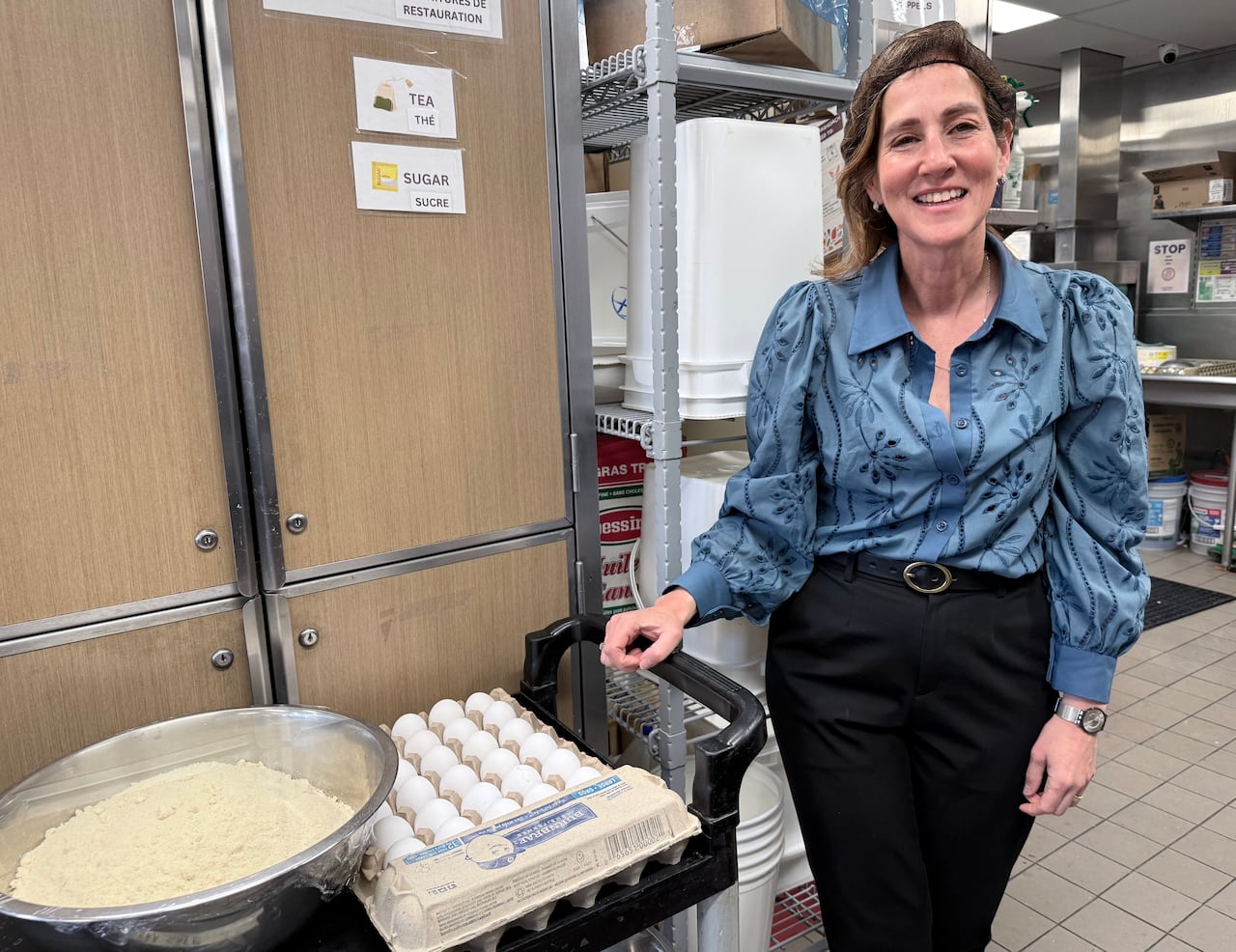 Eve Rochman, founder of Zera Café, said she deeply values the unique strengths and differences each employee brings to the team. (Deirdra Danovitch)
Harris said the structure of the day, visual reminders in the kitchen and encouragement from those around her have given her confidence and independence.
Last August, she moved out of her family home into an apartment she shares with a roommate. It’s a milestone she said would not have been possible without the stability of her job.
“They work with me on my needs, strengths, and weaknesses and help me overcome obstacles,” Harris said.
Understanding the employment gap
Youth with disabilities are significantly more likely to be out of work than their peers, data shows.
The employment rate among Canadians with disabilities aged 15 to 24 sits at 46 per cent, compared to 66 per cent without, according to Canada’s 2024 Labour Force Survey.
The issue isn’t a lack of skill or motivation, but rather workplaces that aren’t designed to support neurodivergent strengths, said Dr. Carol Schall, associate professor and co-director of the Autism Centre for Education at Virginia Commonwealth University in Richmond, Va.
“With intervention, autistic people can find employment and be very successfully employed,” Schall said.
She noted that despite growing evidence of effective interventions, the employment gap remains “stubbornly persistent.”
Schall attributes these barriers to ableism among some employers.
“The assumption that what makes a person autistic is something that is so foreign and different from my [the employers’] experience that I can’t hire them because I don’t know how, I don’t have the time to train them, or I’m not in the business of charity,” she said.
Helping bridge the gap
Yet, the job demand from the neurodivergent population in Montreal is growing.
Last year alone, Agence Ometz supported over 500 individuals living with mental health challenges, intellectual disabilities, and autism spectrum disorder.
Accès Succès, the pre-employment program offered by Agence Ometz every summer, started in 2022. Since then, 117 young adults have participated.
Agence Ometz is currently partnered with roughly 30 employers, and has helped participants get job positions in warehouses, daycares, the service industry and administration, said supervisor Alyssa Lautman.
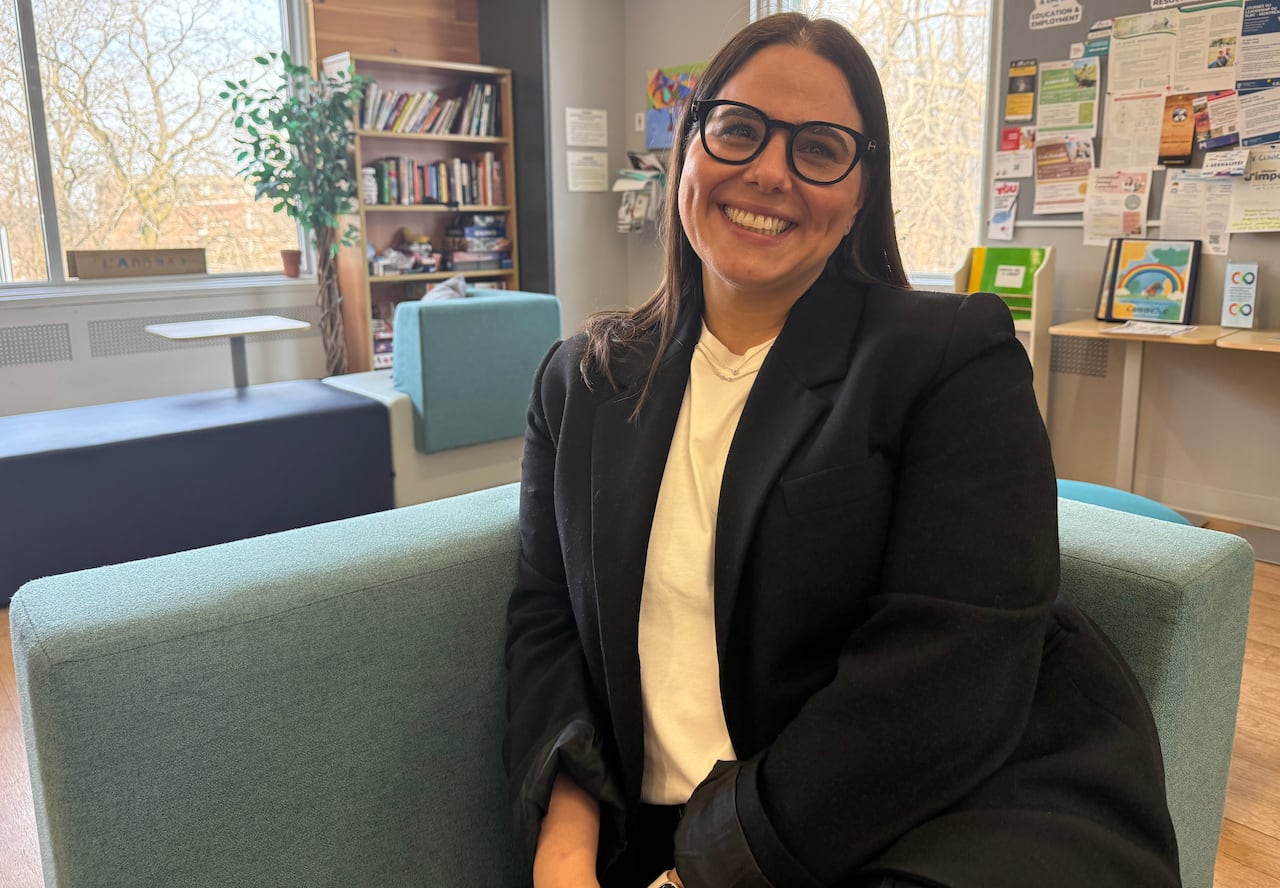 Alyssa Lautman, supervisor for Ometz Supported Employment Services inside L’Annexe, Agence Ometz’s centre for young adults. (Deirdra Danovitch)
When necessary, job coaches accompany individuals at their workplace. They can also guide employers on effective training strategies and create supportive environments, Lautman explained.
Lautman added that some employers now proactively contact Agence Ometz when new positions become available.
She also noted that businesses often see higher job retention after youth from the program are placed in working roles.
Despite these efforts, challenges remain. Lautman noted that the program is managed by a small team that primarily operates on weekdays. As a result, participants who choose to work on weekends may have limited access to team support.
Lautman added that, like many non-profit organizations, securing funding each year remains necessary to sustain operations.
Building confidence on the job
At Zera Café, the focus remains on building both skills and confidence.
Head chef Ayelet Or oversees much of the day-to-day operations in the kitchen, teaching employees cooking techniques while assigning tasks and supervising meal preparation.
Beyond culinary skills, Or said the experience helps workers discover their capabilities.
 Ayelet Or, head chef at Zera Café, leads the team inside the kitchen during a daily shift. (Deirdra Danovitch)
Both Or and Rochman believe many employers underestimate what neurodivergent workers can contribute.
“You’re not hiring an individual because you want to do a good deed. Wrong thinking. It’s about understanding what this community can contribute to your business,” Or said.
For Harris, the opportunity has made all the difference.
As her shift comes to an end, she finishes packaging the day’s meals and tidies her station. Hairnet off and apron folded, she prepares for the short walk home.
After years of uncertainty in the workplace, she feels confident and proud. Because, “having a job you love makes life a little easier.”
About the authors
Deirdra Danovitch is a Montreal-based multimedia journalist who holds a graduate diploma in Journalism from Concordia University, along with a Bachelor of Arts in Communications. Most recently, she completed a three-month internship with CityNews where she produced original content for broadcast. She values stories that highlight community-driven features and human interest.
Sara Martorana obtained a bachelor’s degree of Conflict studies and Human Rights from the University of Ottawa before graduating from the graduate diploma journalism program at Concordia University. Her interests include feature writing and podcasting.
Ari Prosserman is a visual creator from just outside Toronto and an active advocate for queer and trans rights. After earning an undergraduate degree in Social Work from Toronto Metropolitan University, they completed a graduate diploma in Digital Journalism at Concordia University. Using they/them pronouns, Ari explores a range of visual mediums to express their artistic vision.