

Listen to this article
Estimated 4 minutes
The audio version of this article is generated by AI-based technology. Mispronunciations can occur. We are working with our partners to continually review and improve the results.
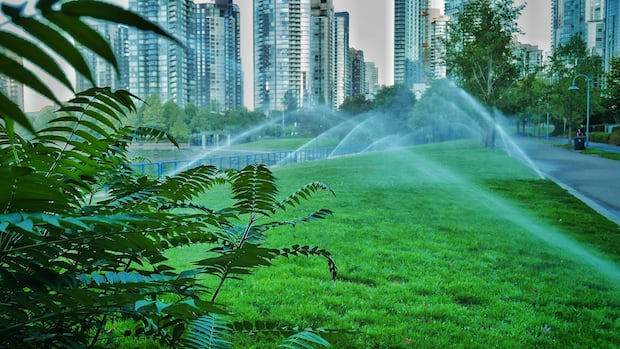
Amid mounting summer drought concerns, Metro Vancouver is banning all lawn watering as of May 1.
The regional district typically implements summer water restrictions at the start of May, but this year it is taking the unusual step of starting them at the Stage 2 level.
At a Greater Vancouver Water District meeting on Friday, Metro Vancouver commissioner Jerry Dobrovolny said the heightened restrictions were necessary to preserve treated water for drinking, cooking and cleaning.
“Forecasts continue to indicate we are going to have a dry summer with the threat of drought. We are already seeing a very large number of wildfires across the province,” he told Metro Vancouver directors.
“This is top of mind for many already. It’s easy to see the mountains have little snow and at this point, our snowpack is about half of what it normally is, and considerably lower than it was at this time last year.”
The Stage 2 restrictions prohibit all lawn watering on both residential and non-residential properties, as well as any filling or topping up of decorative water features.
WATCH | Western North America faces historic snow drought: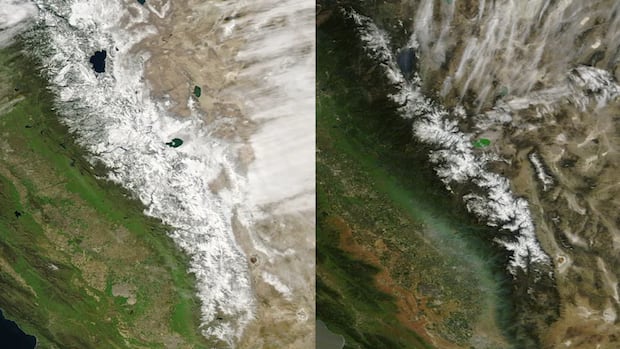
What this historic snow drought will mean for the summer
A historic March heat wave effectively erased a month of winter, triggering a massive snow drought from the southwest U.S. up to parts of British Columbia. CBC’s Johanna Wagstaffe looks at what this means for the summer water supply and wildfire risk for hundreds of communities that rely on a slow snowmelt.
People can water trees, shrubs and flowers on residential properties between 5 a.m. and 9 a.m. if they’re using sprinklers, or any time if they are hand watering or using drip irrigation. Hoses must have an automatic shut-off nozzle.
The same rules apply for non-residential properties, but starting at 4 a.m.
People can water vegetable gardens at any time.
The restrictions do not apply to the use of rainwater, gray water or any forms of recycled water.
“Lawns will go brown as the weather starts to dry out and they will bounce back in the fall when the rains come,” Dobrovolny said.
He added that Metro Vancouverites can expect to see water restrictions increased to Stage 3, which bars people from washing cars and boats or from filling pools and hot tubs, in early June.
Drought concerns
In previous years, Metro Vancouver has started with Stage 1 restrictions, which permit people to water lawns one day per week.
But drought concerns have mounted this year after parts of the province saw record high temperatures over the winter.
As of April 1, the provincial snowpack average was 92 per cent of normal.
That’s higher than the 79 per cent recorded for the same date last year, but the B.C. River Forecast Centre has warned the distribution was uneven, with some regions seeing lower snowpack and signs of early melt.
WATCH | Wildfire season concerns as B.C. faces drought, warm winter: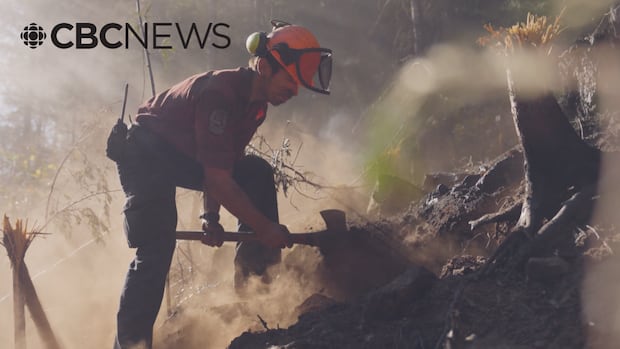
Warm winter, drought could lead to busy wildfire season: B.C. Wildfire Service
B.C. wildfire experts warn a warm winter and lingering drought could make for a very busy fire season. As the CBC’s Katie DeRosa reports, authorities are also fighting artificial intelligence misinformation.
“That’s putting an increased risk of drought hazard, particularly through the Cariboo, through to the south Interior, the Okanagan, the boundary, and then extending across to the South Coast and on Vancouver Island as well, where we have found very little snowpack,” River Forecast Centre head David Campbell said during an April 16 seasonal update.
At the same event, provincial officials warned that the South Coast, Vancouver Island and southern Interior could be more vulnerable to water shortages as temperatures rise.
The Ministry of Emergency Management and Climate Readiness has warned that the province will experience more drought and water scarcity as climate change delivers hotter temperatures, lower snow accumulation, faster snow melt and reduced precipitation over certain time periods.