
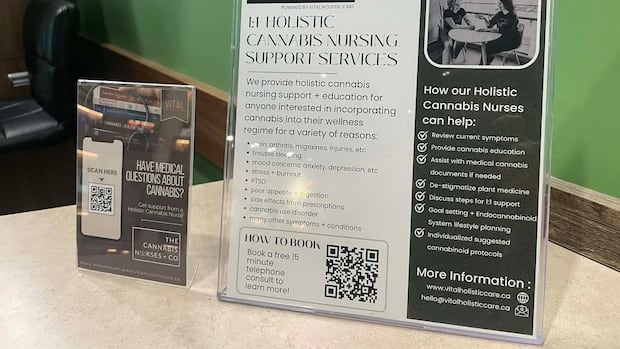
Getting a buzz isn’t the goal for many Plantlife Cannabis customers, according to the Alberta retailer.
Up to 20 per cent of Plantlife’s 25,000 weekly clients come in seeking alternative approaches to address health-related issues like anxiety, pain and sleep disorders, the company says.
While recreational cannabis retailers in Canada can’t make health claims or provide medical advice, there is no shortage of customers who say they use recreational cannabis for any number of health-related reasons.
It’s the reason behind a collaboration between Plantlife and an Edmonton-based certified holistic cannabis nurse.
“A lot of people are searching for alternatives to address issues that might hinder them in their life,” Ian Scott, vice-president of operations at Plantlife Cannabis, said in a recent interview.
“I want to make sure that we can point them in the right direction.”
Plantlife budtenders can now direct customers to a QR code, linking them to the private, online services of Kala Sanmartin and her team at Vital Holistic Care.
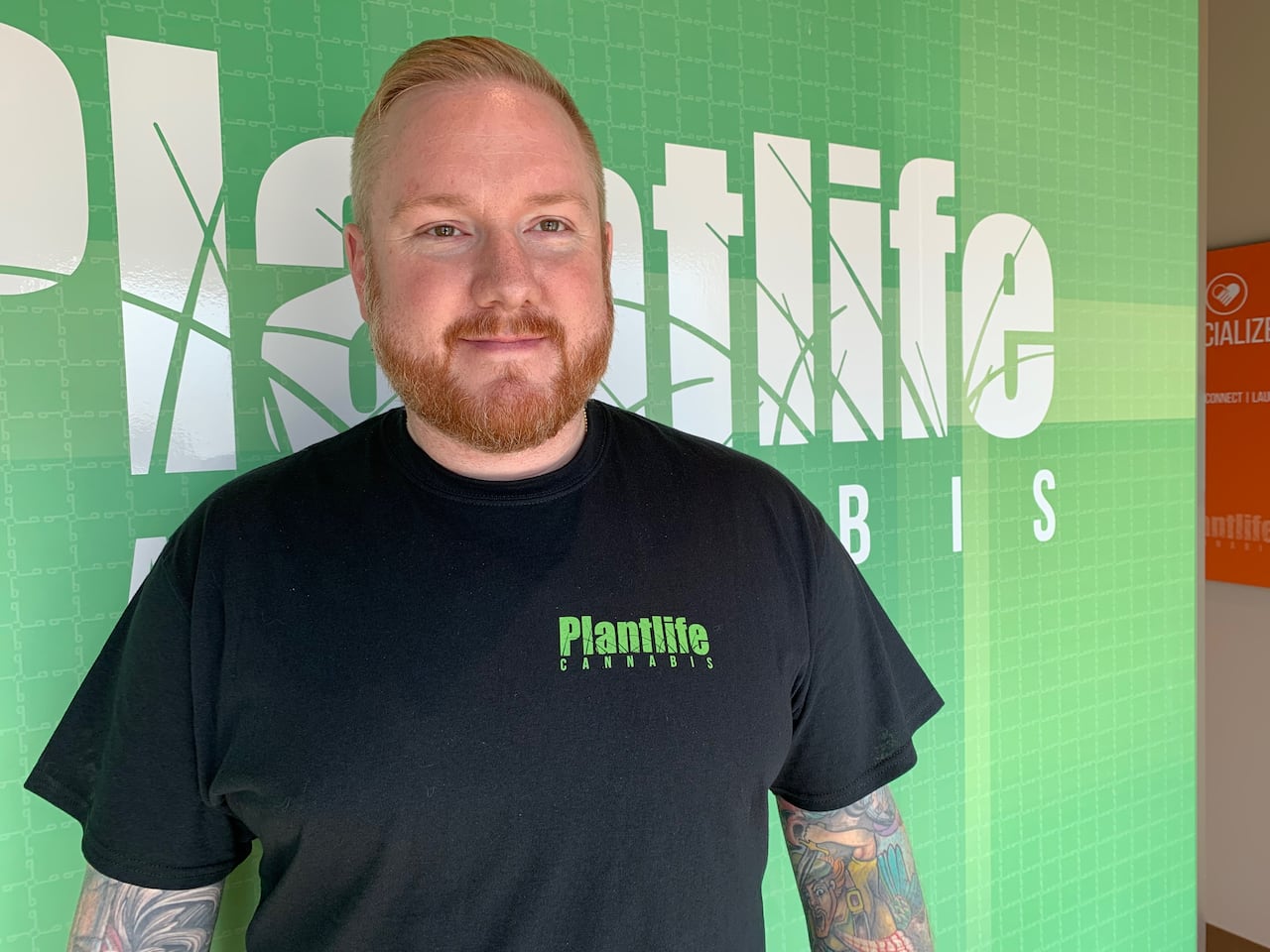 Plantlife Cannabis’ Ian Scott says 20 per cent of the retailer’s customers come in seeking medical advice. (Jamie Malbeuf/CBC)
Personal experience is what sparked Sanmartin’s professional trajectory, she said.
Fed up with the negative effects of medically-prescribed sleeping pills, she decided to try cannabis.
“I was fearful because I’d never used it and I had a 19-year-old stoner across the table from me in a medical cannabis clinic teaching me how to use cannabis, and I thought, ‘This is crazy, we need to do better,’” Sanmartin said.
“Now that we have cannabis shops on every corner, for a lot of individuals, it’s a lot easier to shop in those stores recreationally than get a medical document and order online and have it come to their home.”
I had a 19-year-old stoner across the table from me in a medical cannabis clinic teaching me how to use cannabis.- Kala Sanmartin, holistic cannabis nurse
At her clinic, Sanmartin said nurses are trained to assess the person as a whole and provide tailored recommendations and education. Unless clients have access to insurance or a health account, they pay out of pocket.
“There are actually a lot of the individuals that come to us for help because they’ve tried everything and nothing is working,” Sanmartin said.
 Kala Sanmartin and her team specialize in prescribing medicinal cannabis. (Ptakatak Photography)
According to Alberta Health, 10 per cent of Canadians aged 16 years and older reported using cannabis for medical purposes within the past year.
“Only 18 per cent indicated they had a medical document from a health-care professional, down from 27 per cent in 2019,” Alberta Health wrote in an email to CBC News.
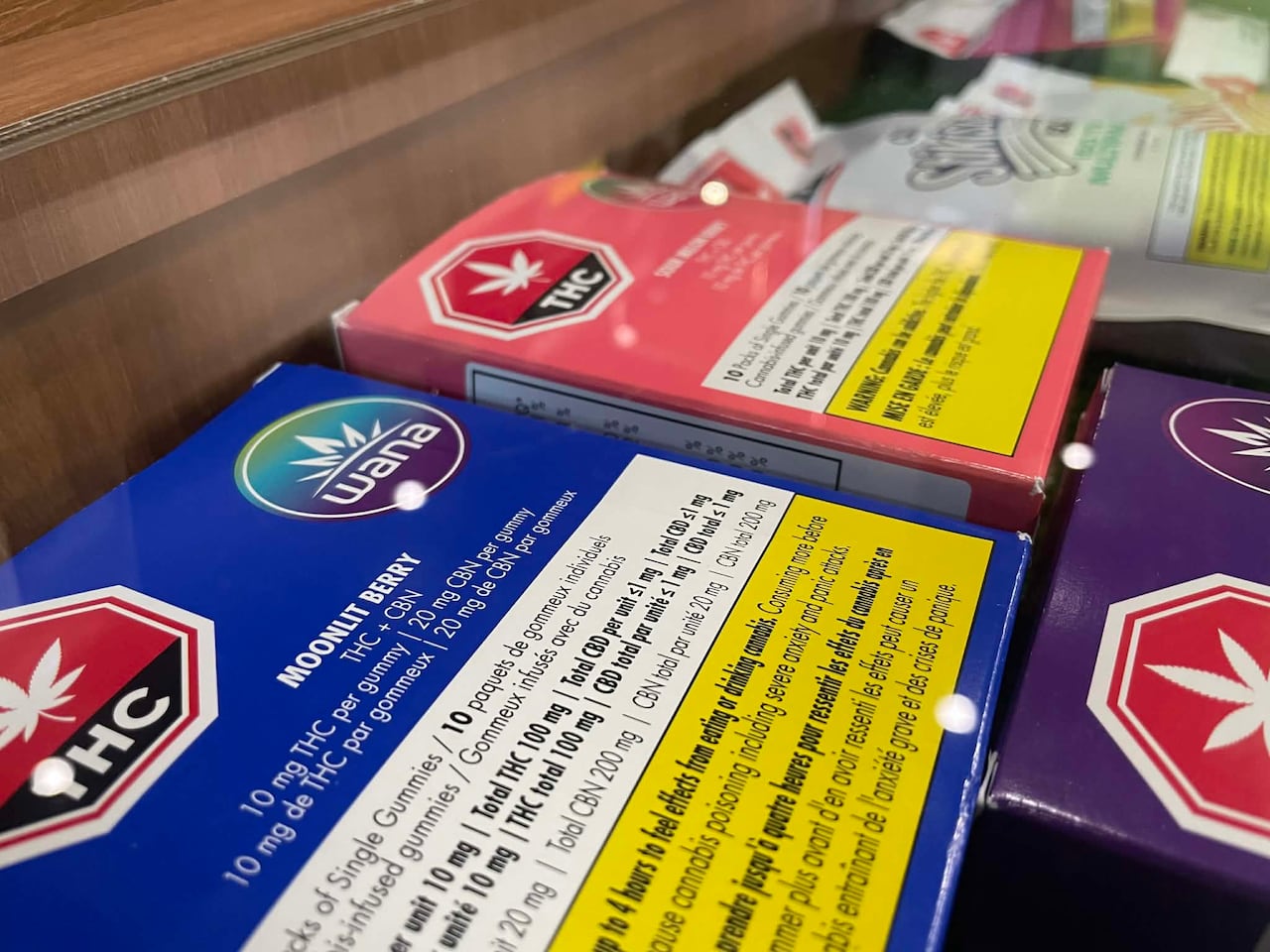 An undated file photo of cannabis products. (Andrea Huncar/CBC)’Wild west’
Dean Eurich, professor and associate dean of research at the University of Alberta’s school of public health, said the Plantlife model is a good step that governments should examine more closely.
“Over the last five years or so, we’ve seen an explosion of individuals using cannabis for more medical purposes as opposed to the psychoactive aspects of it,” said Eurich, who is also a licensed pharmacist.
“There’s a clear mismatch between the purchasing of cannabis and how the system is structured to provide some of that advice to those individuals. And quite honestly, I just don’t think our regulatory or our policy processes around that are anywhere close to narrowing that gap.
“It is really like the wild, wild west now when it comes to the medical side of cannabis.”
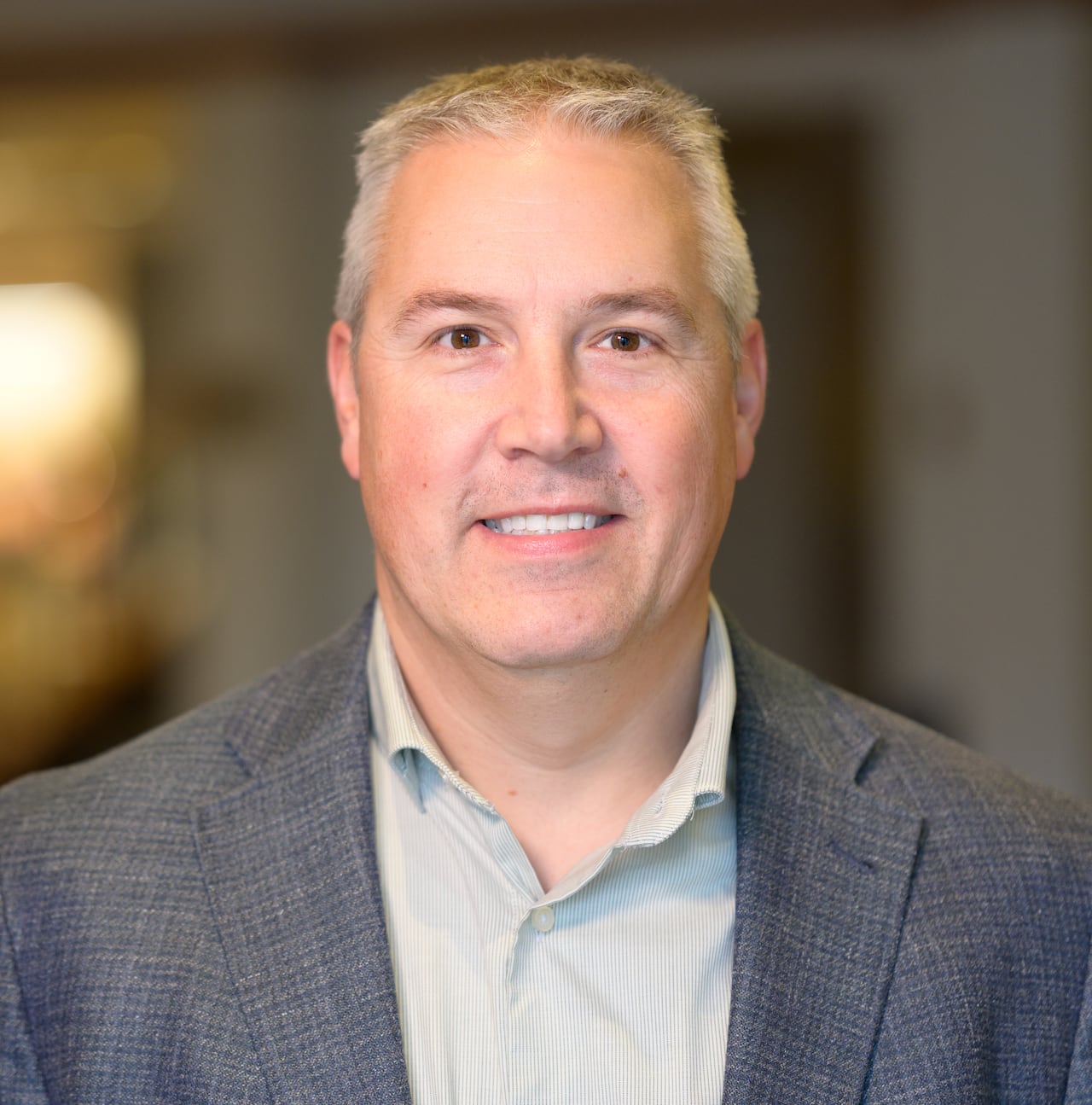 Public health professor Dean Eurich says health-related cannabis use has exploded in Canada. (Submitted by Dean Eurich)
Eurich predicts using cannabis for medical reasons will become more of a mainstream option, “but right now we don’t have the evidence.”
“And so when you go in to talk to your physician or your pharmacist or nurse, it’s really hard for them to get behind it and endorse it because there are so many unknowns.”
Licensed pharmacist Anushya Vijayaraghevan co-founded Apothecare in Ontario in 2018 to support people seeking wellness solutions through cannabis.
Similar to Plantlife, Apothecare partners with selected retailers.
Vijayaraghevan said it’s important to be aware of how cannabis consumption might interact with other medications while clarifying questions help determine which product is most suitable.
“We consider it almost like an over-the-counter consultation from a pharmacist perspective,” she said.
Both the federal and Alberta governments warn of the potentially negative effects of cannabis-use on mental health.
In a post on its website, Alberta Health Services notes cannabis use can harm mental health by worsening symptoms of bipolar disorder, depression and anxiety; increasing the risk for mental disorders like schizophrenia; and increasing the risk of thoughts of suicide.
Health Canada advises anyone using cannabis for medical or non-medical purposes to consult a health-care practitioner.
The department said the Canadian Institutes of Health Research recently launched the Canadian Cannabis and Brain Health Consortium to address knowledge gaps, inform policy and improve public access to reliable information.
“The government of Canada recognizes that there are evidence gaps related to the medical use of cannabis, including around appropriate dosing, safety and clinical outcomes,” Karine LeBlanc, a spokesperson with Health Canada, said in an email.
“Addressing these gaps is critical to support informed decision‑making by patients and health-care practitioners, reduce potential harms and strengthen public health and safety.”