


Listen to this article
Estimated 5 minutes
The audio version of this article is generated by AI-based technology. Mispronunciations can occur. We are working with our partners to continually review and improve the results.
Although it doesn’t appear in full in the latest economic update, the federal government has unveiled the six pillars of its forthcoming AI strategy — a long-touted but repeatedly delayed document that’s expected to chart out Ottawa’s goals for the evolving technology.
In its economic update, the federal government said: “Canadians want AI that is safe and sovereign, and to drive AI adoption, create new economic opportunities, strengthen public services, and improve our quality of life.”
The federal government said it will achieve those objectives through six pillars:
Protecting Canadians and safeguarding our democracy.Empowering CanadiansPowering AI adoption for shared prosperity.Building the Canadian sovereign AI foundation.Scaling Canadian champions.Building trusted partnerships and global alliances.
Though light on details, the descriptions of the pillars mention “giving access to AI training and education for all Canadians,” and “modern privacy and online safety laws, strong national AI safety capabilities, and secure government systems.”
The federal government also said Canada will “work with a variety of trusted partners to align standards, co-invest in innovation, and help Canadian companies access global markets—while shaping an AI ecosystem anchored in democratic values.”
WATCH | Canada considering AI age restrictions, says Culture Minister Marc Miller: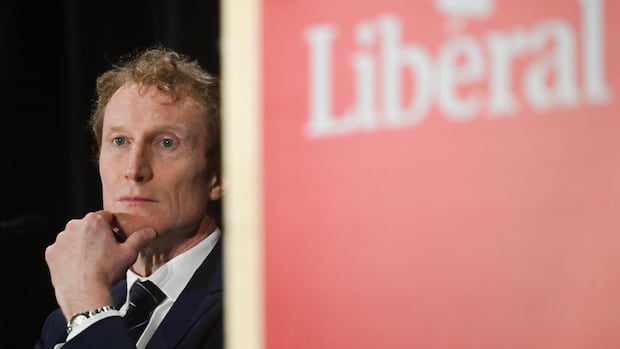
Canada ‘very seriously’ considering social media, AI age restrictions, Miller says
Minister of Canadian Identity and Culture Marc Miller said the federal government is ‘very seriously’ considering a restriction on young Canadians’ access to social media and artificial intelligence chatbots. At its national convention on Saturday, the Liberal Party of Canada agreed on a non-binding resolution to set 16 as the age of majority for Canadians’ social media use.
It remains unclear when exactly Canada will unveil the strategy. The 2025 federal budget said the government would “develop a new AI strategy” by the end that year, though it did not specify if it would be presented at that time.
AI Minister Evan Solomon told MPs on the House of Commons science and research committee in February that the “refreshed” national AI strategy would be launched “this quarter.”
Tuesday’s spring economic update did not mention a specific date for the new strategy.
In the meantime, the federal government has made other announcements related to AI development, most recently launching a call for applications to develop Canada’s sovereign AI supercomputing infrastructure.
 AI Minister Evan Solomon speaks prior to taking part in a panel discussion on AI for All & Canada’s Innovation Advantage during the Liberal Party of Canada convention in Montreal, Friday, April 10, 2026. (Graham Hughes/The Canadian Press)
According to a news release, that infrastructure will “enable the development of large-scale, Canadian-based compute infrastructure to advance AI research and innovation, while safeguarding Canada’s national interests.”
Solomon has also previously held meetings with Finnish and Norwegian officials about exploring collaboration in specific areas such as expanding access to AI computing capacity and environmentally responsible digital infrastructure.
AI safety after Tumbler Ridge
As the federal government intends to scale up Canada’s AI industry, there remain questions about what steps it will take on AI safety in the wake of the horrific shootings in Tumbler Ridge, B.C.
In early March, Solomon met with OpenAI’s CEO, Sam Altman, after it was revealed the shooter’s ChatGPT account was banned and flagged by the company eight months before the attack devastated the small B.C. community.
Despite the account’s posts about gun violence, the company chose not to inform police until after the killings, saying the activities at the time didn’t meet its threshold to do so.
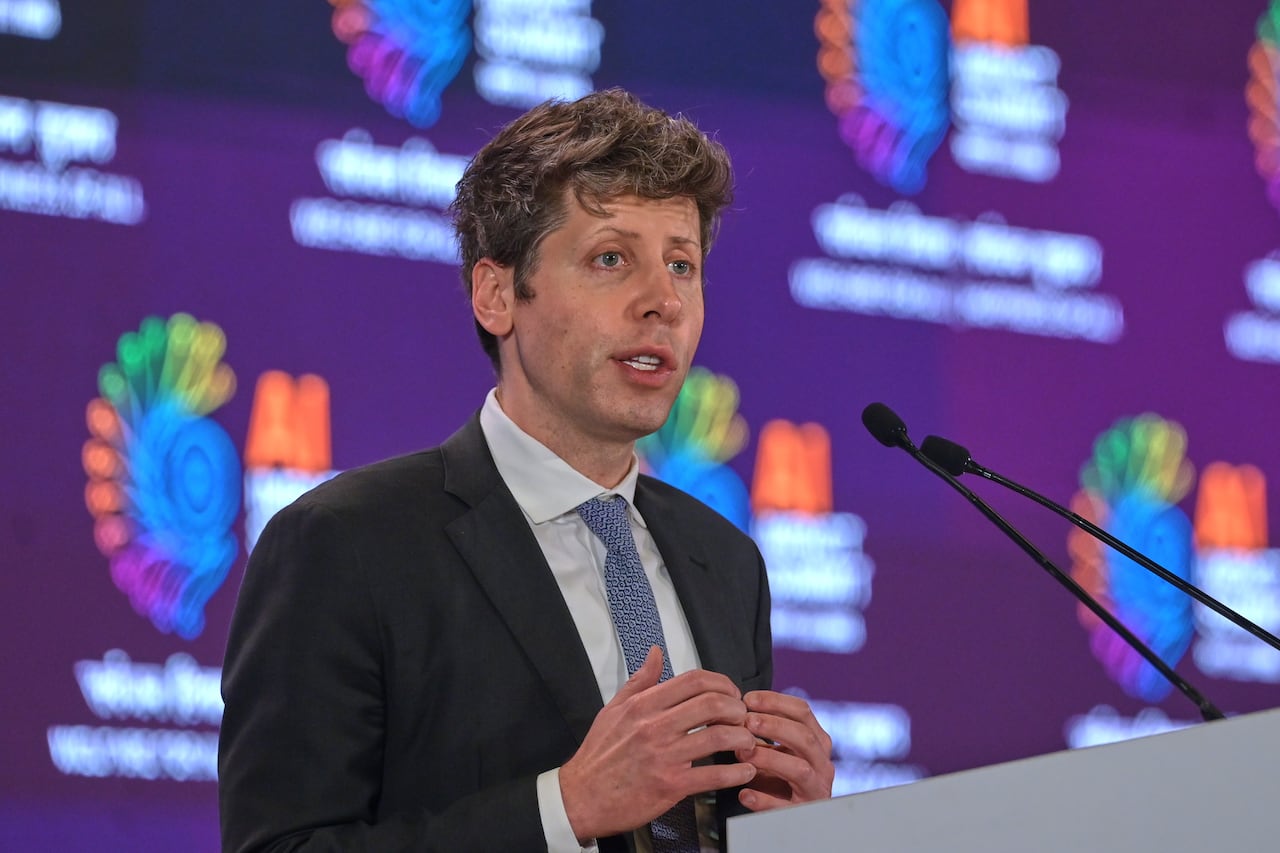 OpenAI’s CEO Sam Altman speaks at the AI Summit in New Delhi, India, Thursday, Feb. 19, 2026. (The Associated Press)
In an interview after his meeting, Solomon said Altman agreed to include Canadian experts in mental health and law within OpenAI’s safety office.
He also requested that OpenAI allow experts from the Canadian AI Safety Institute, a federal body within his department, to do a full, detailed assessment of the company’s new safety protocols.
In the wake of the shootings, B.C. Premier David Eby called on Ottawa to set minimum thresholds for when platforms must report threats of violence to law enforcement.
Last week, Altman wrote a letter of apology to Tumbler Ridge for failing to alert RCMP about the shooter’s account. Eby wrote on social media that the apology “is necessary, and yet grossly insufficient for the devastation done to the families of Tumbler Ridge.”
WATCH | Manitoba aiming to ban youths from using AI chatbots: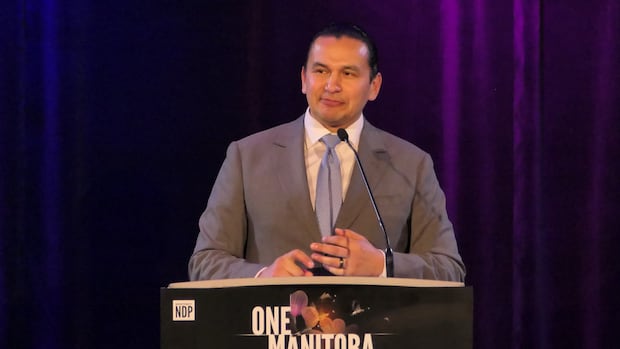
Manitoba aims for first-in-Canada ban on social media, AI chatbots
Manitoba Premier Wab Kinew said social media platforms are ‘doing these very awful things to kids all in the name of a few likes,’ and he’s vowing to fight back by banning youth from using these platforms, along with AI chatbots.
Other provinces are taking some AI regulation into their own hands. Over the weekend, Manitoba announced it would be the first jurisdiction in Canada to ban youth from AI chatbots such as ChatGPT and Claude.
In a statement released Tuesday, B.C. Attorney General Niki Sharma said it’s “evident” that stronger guardrails are needed to protect people from online harms, and reitereated that province’s demand for minimum safety standards for young Canadians.
Sharma said that while the province applauds Manitoba for its ban and is “monitoring its implementation with keen interest,” it ultimately believes such safety measures must be led by the federal government to be effective.
Earlier this month, Heritage Minister Marc Miller said the government is “very seriously” considering whether to restrict young Canadians’ access to social media platforms and artificial intelligence chatbots, but hasn’t reached a decision yet.