
In 2026, the ultimate exercise humblebrag isn’t a Peloton in your home office, or even a sub-three-and-a-half-hour marathon time. It’s a pilates habit.
Stars such as Miley Cyrus, Dua Lipa and model Lori Harvey have pledged their allegiance to this low-impact, high results method that can be traced back to a First World War internment camp. New studios seem to be cropping up each month, accompanied by pastel Instagram graphics, soft lighting and oval mirrors.
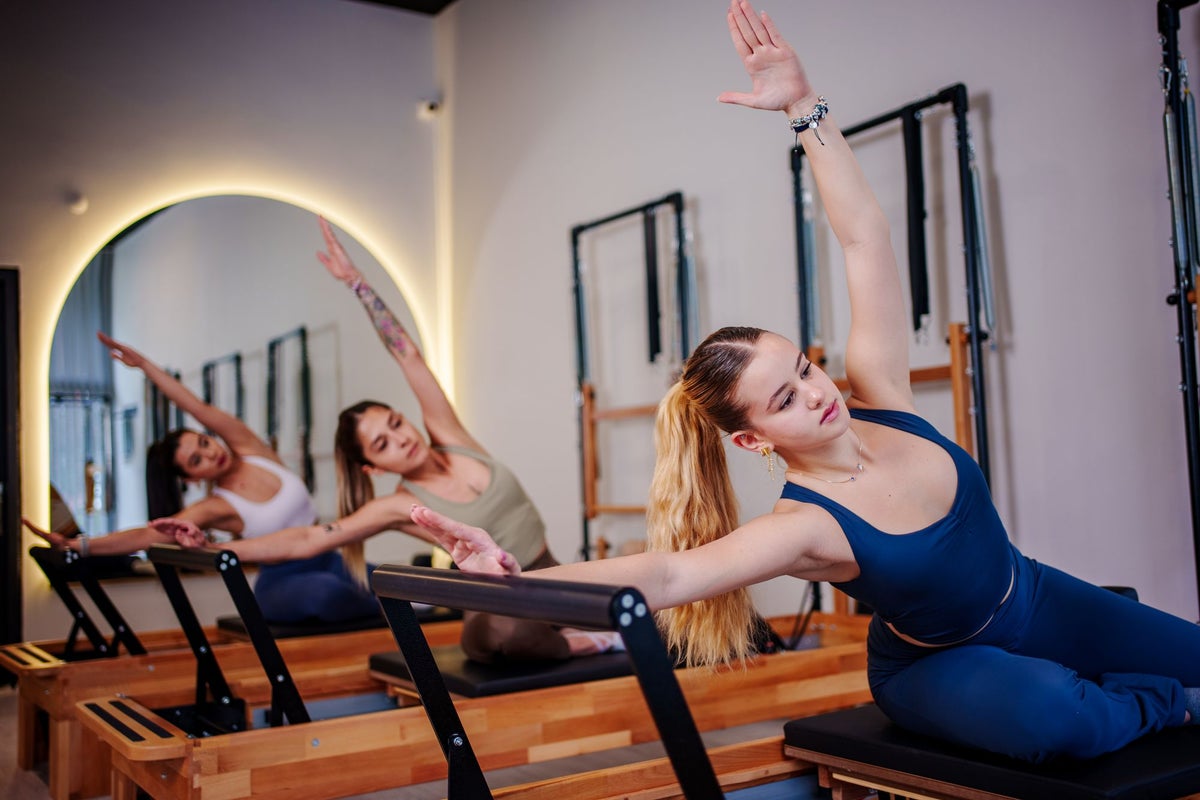
Scroll through social media and you’ll see the hypnotic videos of well-groomed women in matching athleisure sets and slicked-back buns, executing pulses and planks, leg extensions and low squats on a long rectangular machine that bears a strong resemblance to a medieval torture device.
As a discipline, pilates is enjoying a boom time. In 2024, fitness platform ClassPass revealed that pilates was its most popular class type, and in 2025, a report from America’s Sports and Fitness Industry Association found it was the fastest-growing form of exercise in the US, with participation rates shooting up by 40 per cent since 2019. An estimate from business analysts at IBIS World suggests that the UK pilates and yoga industry is now worth £1bn.
Its devotees speak of long, lean muscles, better posture and flexibility, but these benefits don’t necessarily come cheap. In London, the going rate for a session on the pilates reformer – the aforementioned torture device – tends to hover around £30 (is this prohibitive expense only serving to make it more aspirational?)
I should confess that I’m a fully fledged pilates fan. For the past couple of years, I have been attending mat classes a few times a week at a local studio that has great instructors, and feels inclusive and friendly (you don’t have to hand over your life savings for one session, either). Before that, I alternated between spinning and running, and was constantly blighted by aches and pains. But since embracing pilates, I’m far less injury-prone. And there are few things that clear my head – or straighten out my spine after a day hunched over a laptop – like 45 minutes on the mat.
What’s clear is that pilates is managing to appeal to a new generation of fitness fans. But as it continues to rise in popularity, concern is brewing among longtime practitioners. Is the fast-growing demand – coupled with poor regulation – resulting in a dilution of the practice’s original method? Does it risk being reduced to an aesthetic performance light on actual value? “What’s fantastic about this boom is that more people are being exposed to pilates,” Stacy Weeks, a pilates educator and studio owner based in Cornwall, tells me. “That’s amazing, and you cannot take away from it. But some people are being exposed to things that aren’t pilates, and thinking that that’s pilates.”
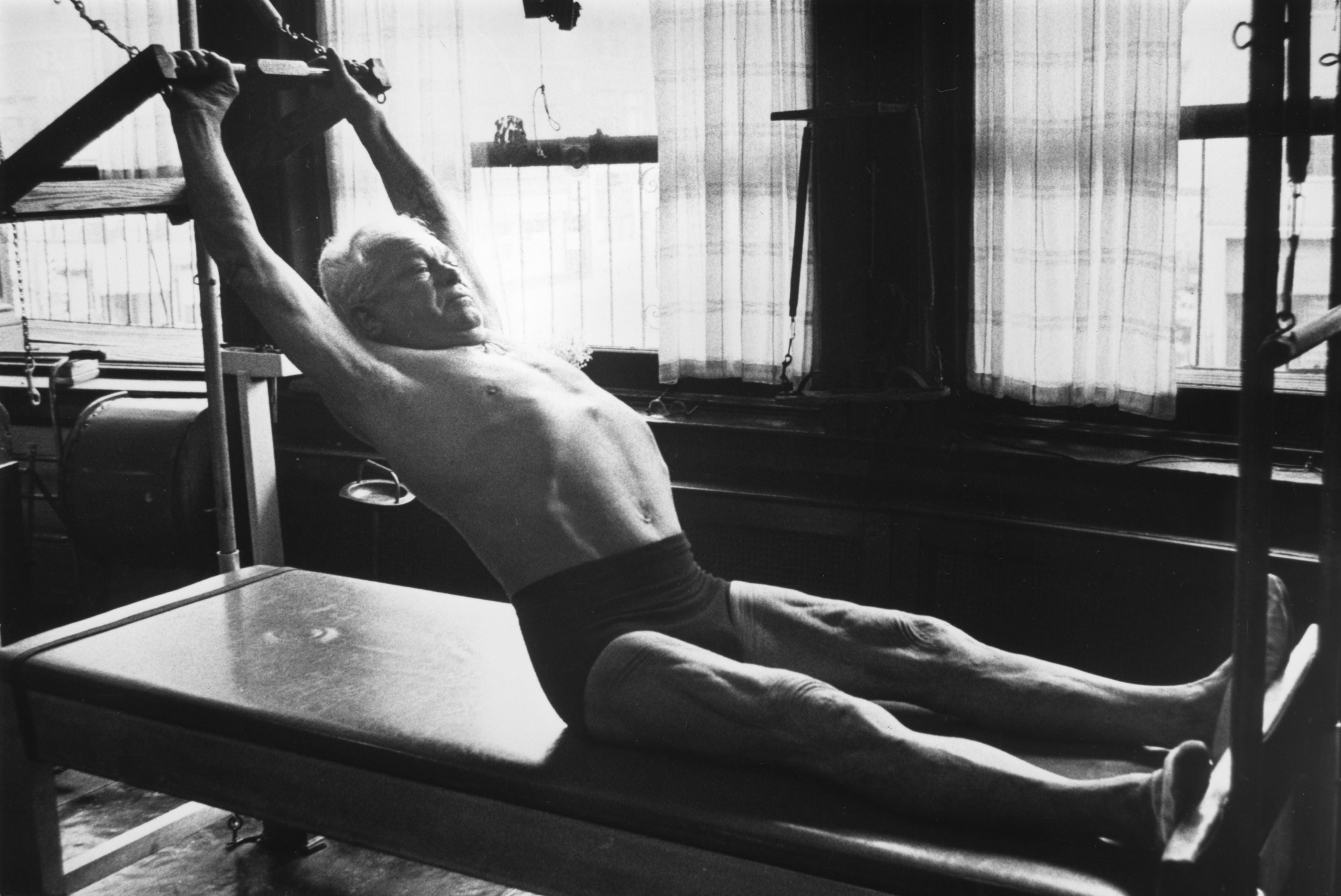 Contrology: Joseph Pilates using one of his exercise machines (Getty)
Joseph Pilates, the founder of the method, has been variously described as a bodybuilder, a circus performer and a boxer. Born in Germany in 1883, he later moved to England, but when the First World War broke out, he was interned in Lancaster and on the Isle of Man, along with other so-called “enemy aliens”. In prison, he started to develop an exercise system that he called “Contrology”, focusing on core muscles, breath and spinal alignment. He would later boast that the prisoners he trained “ended the war in better shape than when it started”.
In 1926, he emigrated to New York, where he and his wife, Clara, would set up the first pilates studio at 939 Eighth Avenue, in the same building as the New York City Ballet; many of his first patrons were ballerinas, kickstarting a long, symbiotic relationship between pilates and the dance world.
Opera singers, choreographers and actors such as Katharine Hepburn and Laurence Olivier were among his high-profile clients, too. He would eventually set out the 34 movements that make up classical pilates in a 1945 book, Return to Life Through Contrology (these exercises weren’t really referred to as “pilates” until after he died in 1967, when it fell on his disciples to start teaching his method).
For decades, pilates was popular as a rehabilitative form of exercise, great for those coming back from injury or, say, hoping to strengthen a bad back, as well as the secret weapon of dancers. In the late Nineties and early Noughties, it acquired a reputation as the toning method of choice for a certain cohort of wealthy, stylish women; pilates was namechecked by the likes of Sex and the City’s Samantha and Gabrielle Solis in Desperate Housewives.
But just over a decade ago, fitness industry prognosticators were predicting that pilates was on the verge of fizzling out. In 2015, an article in New York magazine warned of a “Pilatesapocalypse”, with the discipline being superseded by trendier conditioning workouts such as barre and the burgeoning spin class craze. Unless it drastically shook up its image, the report suggested, pilates could fall out of favour entirely.
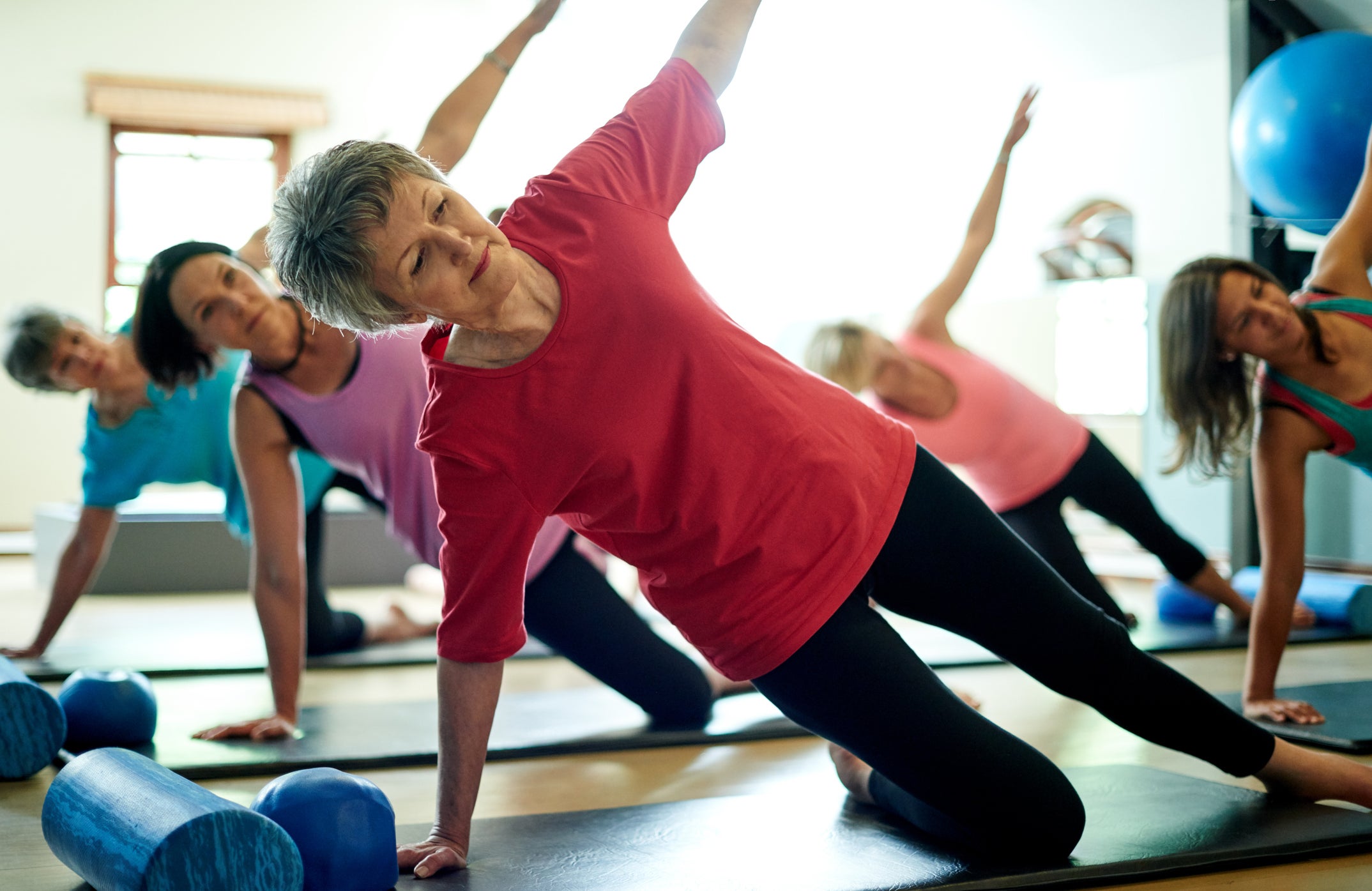 A ‘particular look’ has become associated with pilates – and this only damages its reputation (Getty/iStock)
That shake-up came during the pandemic. At this point, author and pilates instructor Eloise Skinner explains, the fitness industry had to shift online, “and Instagram fitness just completely blew up”. The exercises that looked especially good on social media, she notes, were the ones that use “relatively contained movements” with “really clean lines”. Pilates, with its strong ties to ballet, “looks really lovely on camera”.
So when the world returned to (relative) normality, a new cohort of at-home pilates fans was ready to enter the studio. Alexandra Johnson, founder of PhysioFit Pilates and Physio Studio, has seen an uptick in popularity over the last four years, but most “significantly these past 12 months”. Demand is so high that she’s recently launched a few classes for teenagers, too.
But like many experienced teachers, she is wary of how pilates can be presented on social media, with instructors “doing handstands or splits” to stand out amid the infinite scroll, or using weights on the reformer. Trending videos make “people see that as pilates and then try to do that”, while skipping the fundamentals of form, alignment and breathing. “They’re posting these crazy exercises, some of which are not pilates, they’re just acrobatics, and making it look like it’s something it’s not,” Weeks agrees.
There’s also “a particular look”, she adds, on social media that seems to have become synonymous with pilates – “crop tops, ponytails, matcha.” It’s Instagram-friendly, with an element of performativity, “almost like a status symbol kind of thing”, as Johnson puts it. But the flip side is that it can seem like pilates is only for a certain type of person – slender young women immaculately turned out in pricey athleisure. This prevalence of slim bodies can make it feel exclusionary, an exercise emblematic of the Ozempic era. But this just shouldn’t be the case – all of the teachers I speak to are firmly of the opinion that pilates should be for everyone. “I could have a 75-year-old in my class along with a 35-year-old,” Johnson says.
So many people go to pilates because they’ve got injuries, but they’re being trained by people who don’t really understand injury
Grace Lillywhite, ante- and post-natal pilates specialist
The reformer is a serious piece of equipment, not just Insta-bait, and poor guidance – or attempting acrobatic moves – could prove dangerous. Grace Lillywhite, founder of Centred Mums and a specialist in ante- and post-natal pilates, recalls how she recently spoke to a massage therapist who now “deals with a lot of injuries” from classes at a reformer pilates chain nearby. “It’s really worrying because so many people go to pilates because they’ve got injuries, but they’re being trained by people who don’t really understand injury,” she says.
Teaching standards have become an industry-wide headache. In April, Michael King, founder member of the Society for the Pilates Method, told The Guardian that “the sector can feel like the Wild West”, as some instructors “may lack sufficient training”. And as pilates becomes more popular, he added, some chains are cramming up to 25 reformers in one studio, with just one instructor. “From a safety perspective, that is deeply concerning,” he said.
The teachers I speak to share similar worries; many cite the prevalence of short training courses that can be completed in a weekend. “They’re cheap and they’re fast,” Weeks says. “For comparison, a really good quality pilates qualification will take you nearly a year. “Just the mat work alone is a minimum of six months, and you have to do 120 hours of self-practice, observation and teaching on top of the actual course before you can even take your exam.”
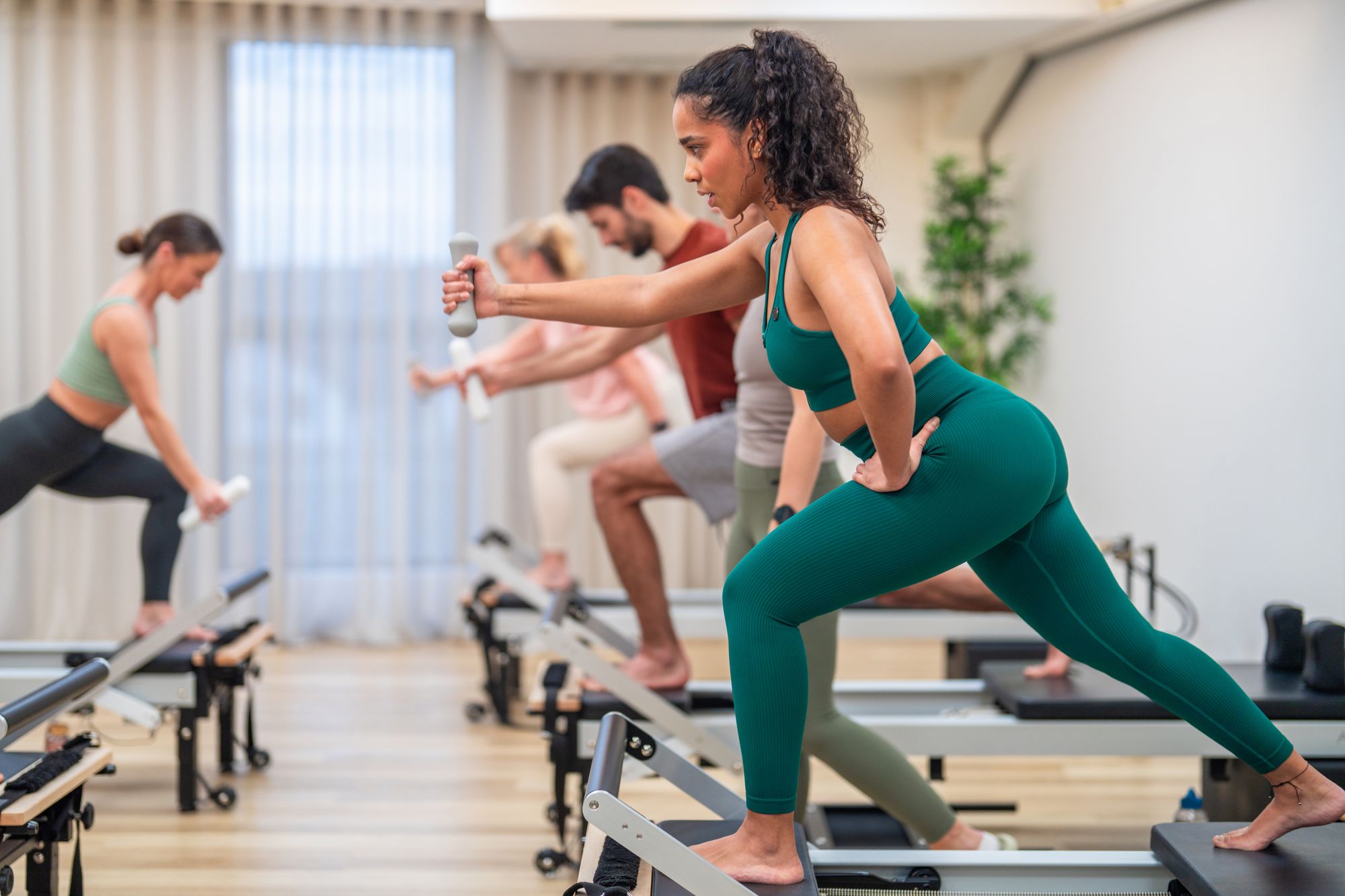 Time for reform? The trendy pilates machine was only meant for smaller classes, but some studios are packing them in (Getty)
The reformer was designed for small group sessions, not mega classes, and “with these large reformer studios popping up all over the place”, Weeks adds, “the standard of equipment is dropping, the standard of training is dropping, and it’s not pilates any more. It’s just a funky exercise class on a piece of kit that was created for something completely different, with loud music, flashing lights and oval backlit mirrors”.
The industry is largely unregulated; no specific qualifications or accreditations are technically required to set up a studio or work as an instructor. Hannah Murphy is the founder of Globe Fit Training Academy, which offers YMCA-accredited fitness courses. “Obviously, pilates is the most popular course we offer at the moment,” she says, whereas “yoga was really popular maybe a year or two ago, now it’s all about pilates”.
High demand across the industry, she adds, has led to “a lot of unqualified teachers teaching reformer” – and “anyone could just open up a studio, buy some reformers, have a pretty space and have people [teaching] that aren’t qualified”.
The standard of training is dropping, and it’s not pilates any more. It’s just a funky exercise class with flashing lights
Stacy Weeks, pilates studio owner
Skinner also teaches yoga, and with that, she notes, “there’s a fairly standard 200 hours Yoga Alliance-approved training”, where it’s understood that you need to “put all the time in and commit to that long process”. But with pilates, you might have one instructor who has spent years qualifying with a highly respected programme from Stott or Body Arts and Science International [BASI], and another who has trained online. Some do short courses that are specific to a certain studio, Skinner adds, “but sometimes it doesn’t even matter because the person might be an influencer [who] already has their own platform”.
There are plenty of pilates influencers sharing advice and workout routines – but it’s worth checking out their credentials before you sign up for any pricey plans they might be selling. More concerning, though, is the rise of a certain cohort of pilates-adjacent influencers who seem to have hijacked the method as a trojan horse for conservative-leaning ideas about gender roles.
Once your social media algorithm realises that you’re easily captivated by pilates videos, it’s not long before a particular subset of content creators start to crop up on your feed. These women aren’t trying to demonstrate, say, five moves for sculpted arms; instead, they are focused on how they believe pilates is a particularly feminine form of exercise, compared to activities like weightlifting, which could make you “bulky” and therefore less “womanly”.
Even more regressive are the videos that seem to imply that pilates is a way of “staying hot for your husband”, a form of feminine labour devoted to aesthetic self-improvement. Also cringe-inducing? The clips are filled with braggy references to finding a man who can pay for your reformer sessions. While scrolling through Instagram on a brief writing (read: procrastination) break, I was presented with a video of a young woman at a mat class, soundtracked by spa-worthy relaxation noises. “How class sounds knowing my bf’s CC [credit card] is attached to my monthly membership,” the caption read. Sigh.
It’s an attitude that seems to have seeped into more red-pilled corners of the internet, too, with male influencers touting a pilates habit as some sort of green flag for the perfect, docile woman. “If your girl does pilates, wife her up immediately,” one viral video from US influencer Christian Bonnier posited; the implication is that a “pilates woman” will be too busy toning her core with the girlies to go out partying at the weekend.
Switch off from that online noise, though, and you’ll soon realise that this narrow idea of the “pilates woman” doesn’t really exist. Beyond the Instagram hype is an exercise method that can be truly life-changing – and you definitely don’t need a matching workout set to reap the benefits.