

Listen to this article
Estimated 5 minutes
The audio version of this article is generated by AI-based technology. Mispronunciations can occur. We are working with our partners to continually review and improve the results.
Several Toronto street festival organizers say they won’t apply for a new provincial permit allowing attendees bring their own booze to outdoor public events because it means more liability and they don’t want to take revenue away from local establishments.
Starting Thursday, organizers could begin applying for what the Ontario government calls “bring-your-own” event permits.
But the organizers of OssFest, Pride Toronto, Do West Fest, Salsa on St. Clair and Kensington Market’s Pedestrian Sundays told CBC Toronto on Friday they won’t be applying.
Meg Marshall, manager of the Ossington BIA, said the province has not provided enough information about the expanded permits, and that she’s concerned about liability and the impact on small businesses.
“It’s often a really great revenue-generating day for small businesses within the footprint of the festival. So we’re actually taking away opportunity for them if we were to apply for this,” Marshall said.
Marshall said the Ossington BIA, which has limited financial resources, is also not in a position to assume the risks associated with the permits because of the costs, staff and infrastructure that would be involved. The Ossington BIA organizes OssFest, a street festival on the Ossington Strip, which will be held on July 25 this year.
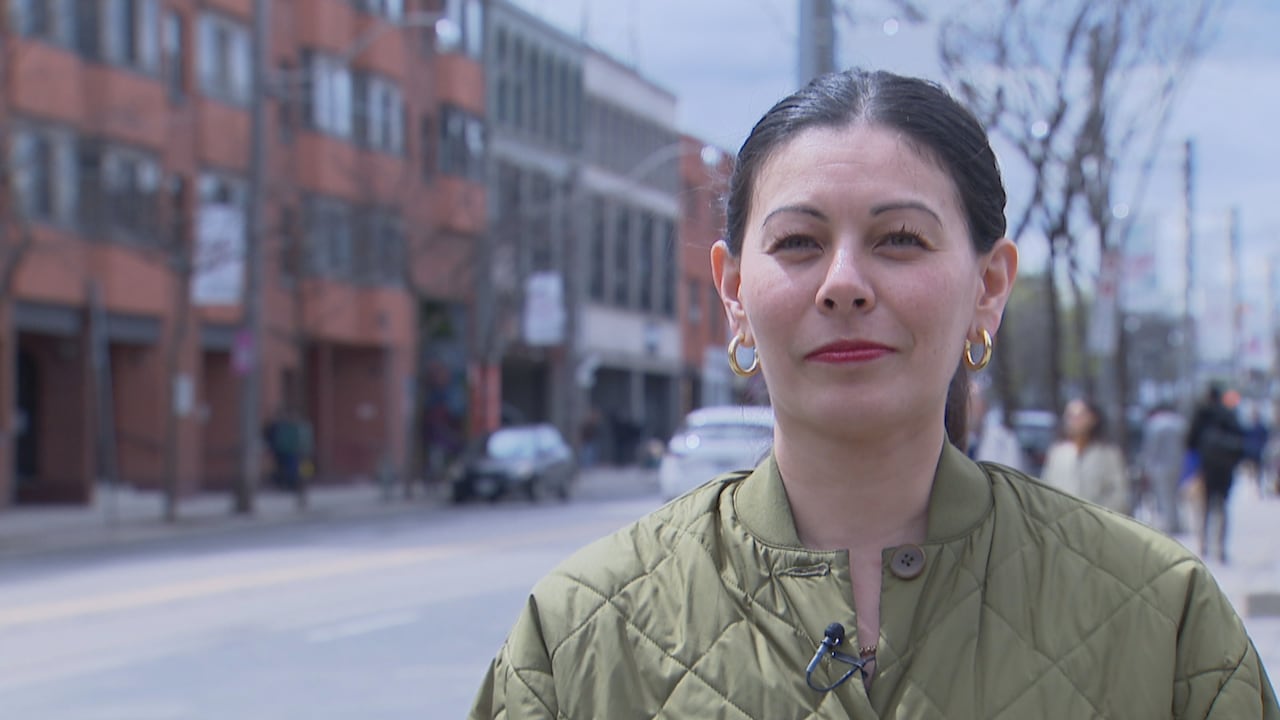 Meg Marshall, manager of the Ossington BIA, says the BIA is not applying for a ‘bring-your-own’ permit because the province has not provided enough information about how it works, full liability would fall on the BIA, and small businesses count on festival days to make money from alcohol sales. (Tina Mackenzie/CBC)
In March, the province announced that organizers of events such as farmers markets, movie screenings, art exhibits and neighbourhood festivals will be able to apply for BYOB permits.
But some organizers say the permits could cost them even if they don’t apply, because they’ll have to run campaigns to let know the public know they can’t bring alcohol to their events and will have to hire extra security to ensure people aren’t carrying their own alcohol.
‘A huge liability’: Pride executive director
Kojo Modeste, executive director of Pride Toronto, said the organization has decided not to apply for the permit because its beer garden generates revenue from alcohol sales and the permit raises questions about liability. Pride Toronto’s festival weekend is June 25 to 28.
“With this, people bringing their own alcohol to our events, we have no control over how much they’re consuming. That for us is a huge liability because, if someone leaves a space and something happens, will we be held accountable?” Modeste said.
“I think these are some of the things we want clarification on first before we can consider this. And the next thing is that, can we charge individuals for bringing in their own alcohol? There is a lot of unanswered questions.”
Modeste said the organization will have to conduct a public education campaign advising that the festival will not be allowing attendees to bring their own alcohol to its events.
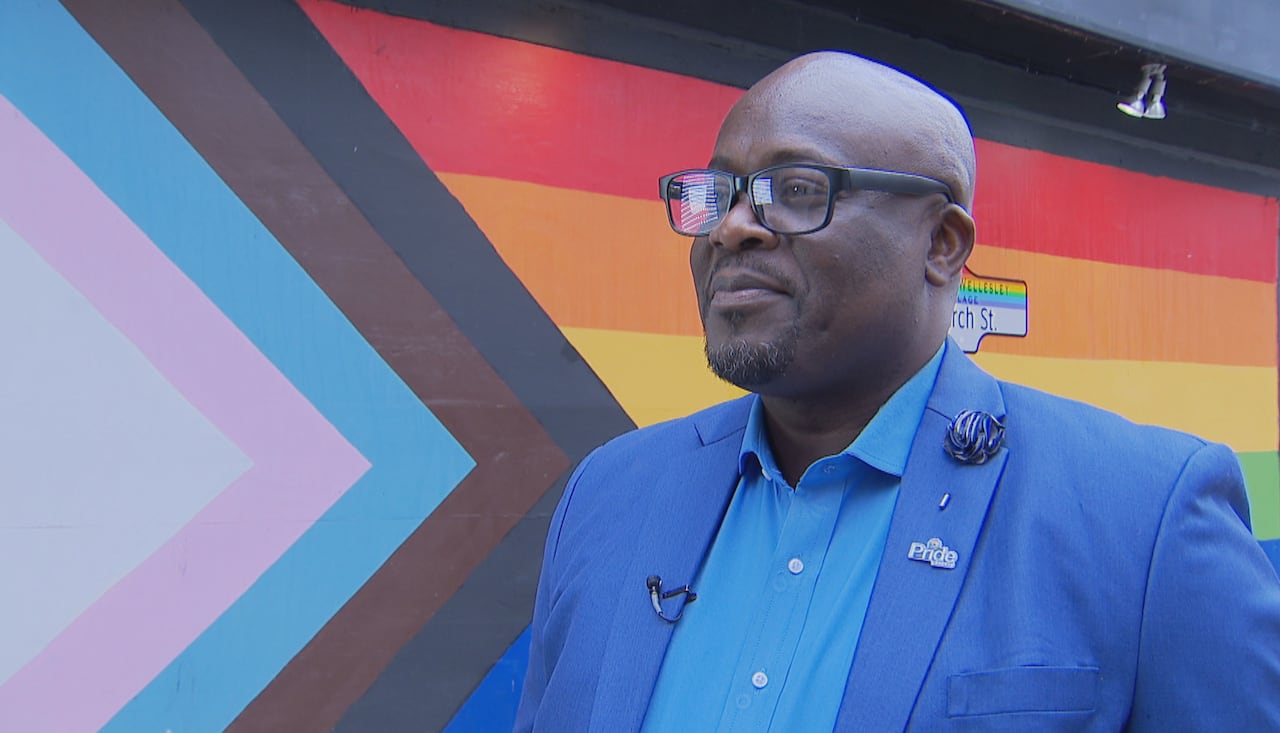 Kojo Modeste, executive director of Pride Toronto, says the organization has decided not to apply for the permit because its beer garden generates revenue from alcohol sales and the permit itself raises questions about liability. (Tina Mackenzie/CBC)
Kristyn Gelfand, managing director of Uma Nota Culture and a producer of Do West Fest, told CBC Radio’s Metro Morning on Friday that organizers anticipate they will have to spend extra on security because of the expanded permit.
Gelfand said the permit will make the festival organizers’ job of enforcement and communication more difficult. Do West Fest, on Dundas Street W., will run from June 5 to 7 this year.
“I have not spoken to a single colleague who plans to apply,” Gelfand said.
“As far as I know, there wasn’t really any industry consultation and all my colleagues see it as something unnecessary that no one really asked for.”
Gelfand said there will have be public messaging that you can’t bring your own alcohol to public events.
“There will be a lot of confusion created around people who just see a headline and don’t read much deeper into it and who will probably be bringing alcohol from home.”
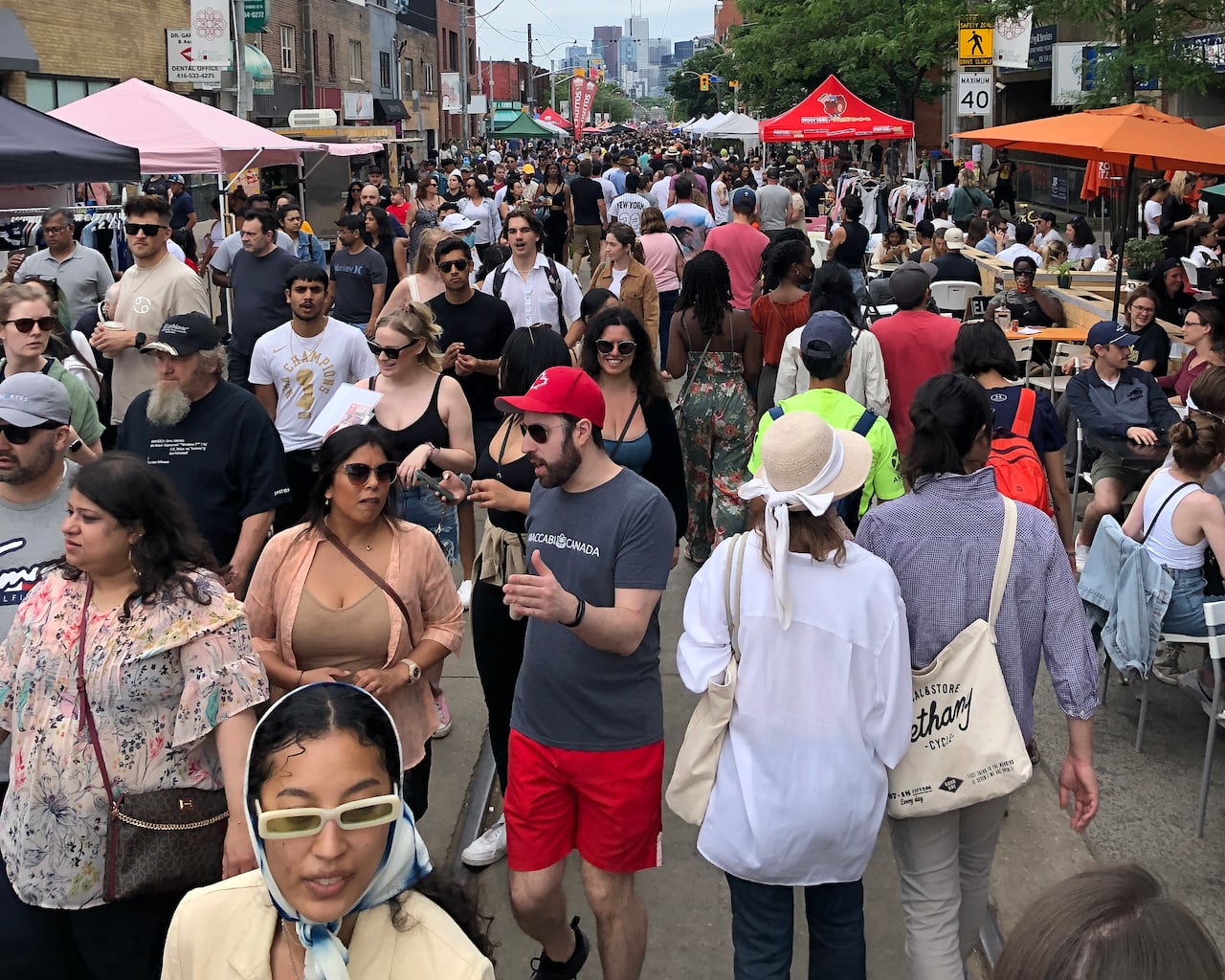 A view of Do West Fest, a street festival on Dundas Street West from Shaw Street to Lansdowne Avenue in Toronto. (John Rieti/CBC)
One organizer, however, said he is open to applying if the province provides more clarity on how it works.
Aim of permit to drive economic growth: province
Jesus Bustamante, a Salsa in Toronto festival ambassador, said organizers want to work with various restaurants and licensed patios within the festival this year. Salsa on St. Clair will be held on July 11 and 12.
“We’re hoping with the legislation that there is clarification in terms where it is legal and illegal to consume alcoholic drinks,” he said.
Organizers said it’s best to check the website of an event first to see if “bring-your-own” is permitted.
Ontario Attorney General Doug Downey said in March the aim of the expanded permits is to help support local tourism and drive economic growth.
According to the province, municipalities have to pass a bylaw authorizing the use of alcohol in public, if they do not already have one in place, and establish a process to determine whether an event can be considered as community or cultural.
As of Thursday, event organizers in participating municipalities can apply for bring-your-own permits through the Alcohol and Gaming Commission of Ontario. Toronto is a participating municipality, according to the city.