
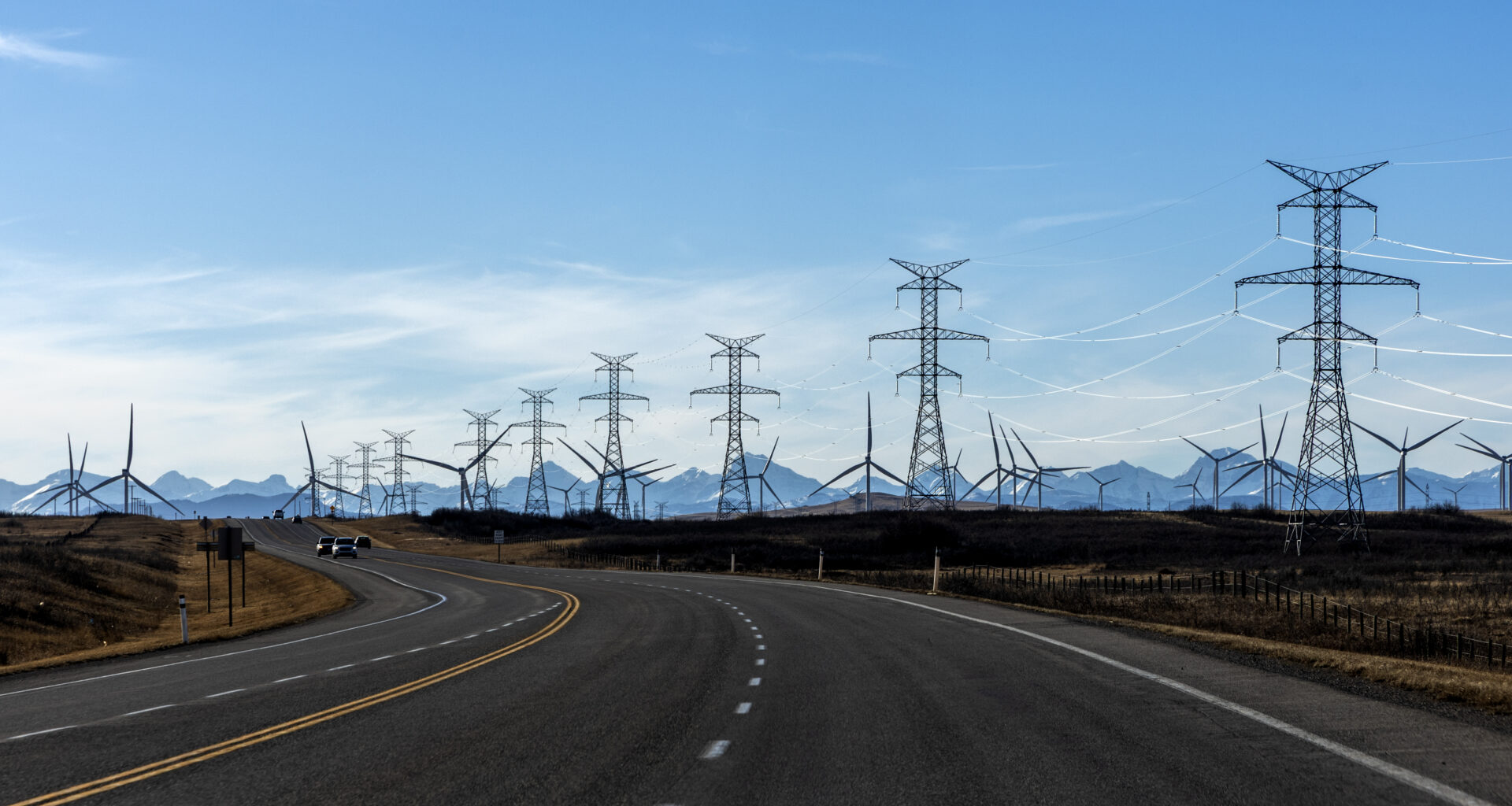
If Alberta’s ongoing practice of stifling solar and wind development had a name, “death by red tape” might be fitting.
In mid-April, Alberta shed new light on a plan to impose a $14 “eco-fee” on every new solar panel installed in the province beginning in October — applying to both utility-scale projects and rooftop panels on homes and businesses.
It’s the latest hurdle for aspiring clean-energy developers in the province, adding new expense and complexity to what has already become an uphill battle to do business in the home of Canada’s oil and gas sector.
For seven months in 2023, Alberta imposed a moratorium on all renewable development, followed by a series of restrictive regulations limiting where solar and wind projects could be located.
The cumulative impacts on Alberta’s once nation-leading renewables sector have been severe.
Though the province boasts some of the country’s sunniest and windiest locales, corporate renewable energy deals in Alberta have fallen 99 per cent since 2023, the Pembina Institute’s Business Renewables Centre-Canada (BRC) said in its 2025 review.
Aside from cancelled or delayed contracts, developers severed connection requests for more than 800 megawatts of construction-ready solar projects and 300 megawatts of wind projects in 2025.
“These weren’t speculative ventures; they were shovel-ready projects with millions already invested,” BRC Director Jorden Dye wrote in an op-ed.
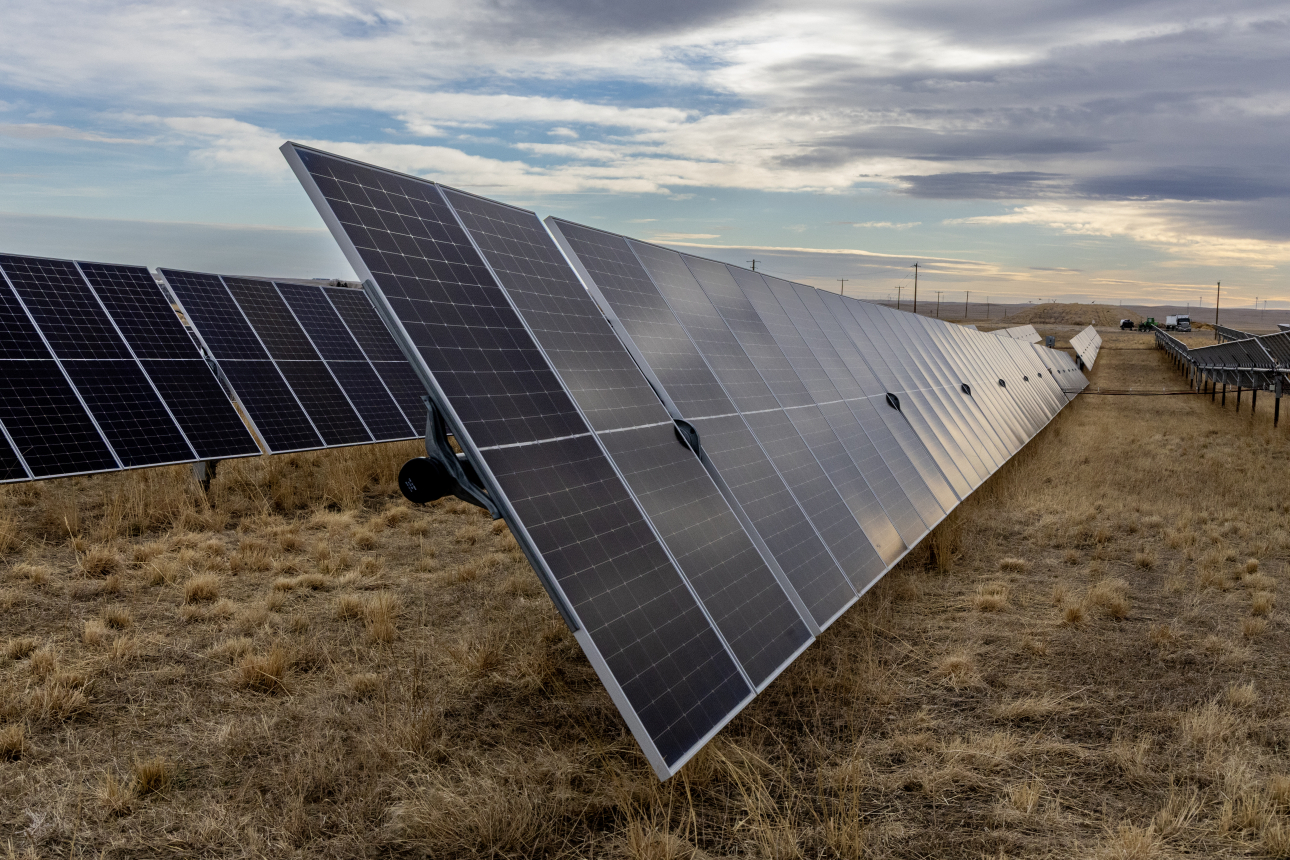 Solar panels on Yetwood Farms near Champion, Alta. Feb. 4, 2026. Photo by: Subbu Srinivasan for Canada’s National Observer
The Alberta government has pushed back.
Technology Minister Nate Glubish posted a rebuttal in March that called the lost-billions narrative a “myth” because it was based on incomplete project queue data and cancelled projects “were never real investments.”
In a reply to the minister, Tim Weis, Pembina’s industrial decarbonization expert, agreed the queue data is “incomplete on its own” and some project cancellations are to be expected. Still, the data is an early indicator of projects that might be built, and shows fluctuations in investor sentiment and reactions to policy, regulation and market conditions, Weis said.
Last year saw a near halt in new power purchase agreement deals, and “2026 looks as though it will be another year of low investment in Alberta renewables,” he wrote.
Earlier this spring, the implementation of Alberta’s Restructured Energy Market — the rule book which energy developers must follow — was extended from 2027 to 2028, adding a year of uncertainty for a renewables sector that has already seen projects cancelled as investors leave the province.
New solar ‘eco-fee’
Some solar advocates expressed relief that the new solar fee was not worse.
The government had originally threatened to make the recycling fee retroactive to every operating solar panel in the province.
Still, many questions remain unanswered about the $14 solar eco-fee, said Radha Rajagopalan, the Canadian Renewable Energy Association’s director of policy for Alberta.
She noted the potential overlap with the new fee and existing reclamation securities already required for renewable projects in Alberta. The nascent solar industry also must pay the fees upfront and decades before recycling is even required.
“No other Canadian jurisdiction is implementing a fee,” Rajagopalan wrote in a briefing to association members, adding that bureaucrats overseeing the new plan were unable to provide any examples of North American jurisdictions implementing such a fee.
“No other US jurisdiction has been able to apply the fee because suppliers have fled the jurisdictions where a fee was implemented, and so those fees were quickly rescinded,” she wrote.
The new rules skirt more fundamental uncertainties. Can solar panels even be fully recycled? It’s so early in deployment, it’s a question that does not yet have a satisfactory answer, experts argue.
At a recent information meeting, one attendee asked if the Alberta Recycling Management Authority (ARMA), the non-profit group administering the fee, intends to track panels and ensure they are recycled. An ARMA official told the meeting that it’s still early days and a process does not yet exist to do this.
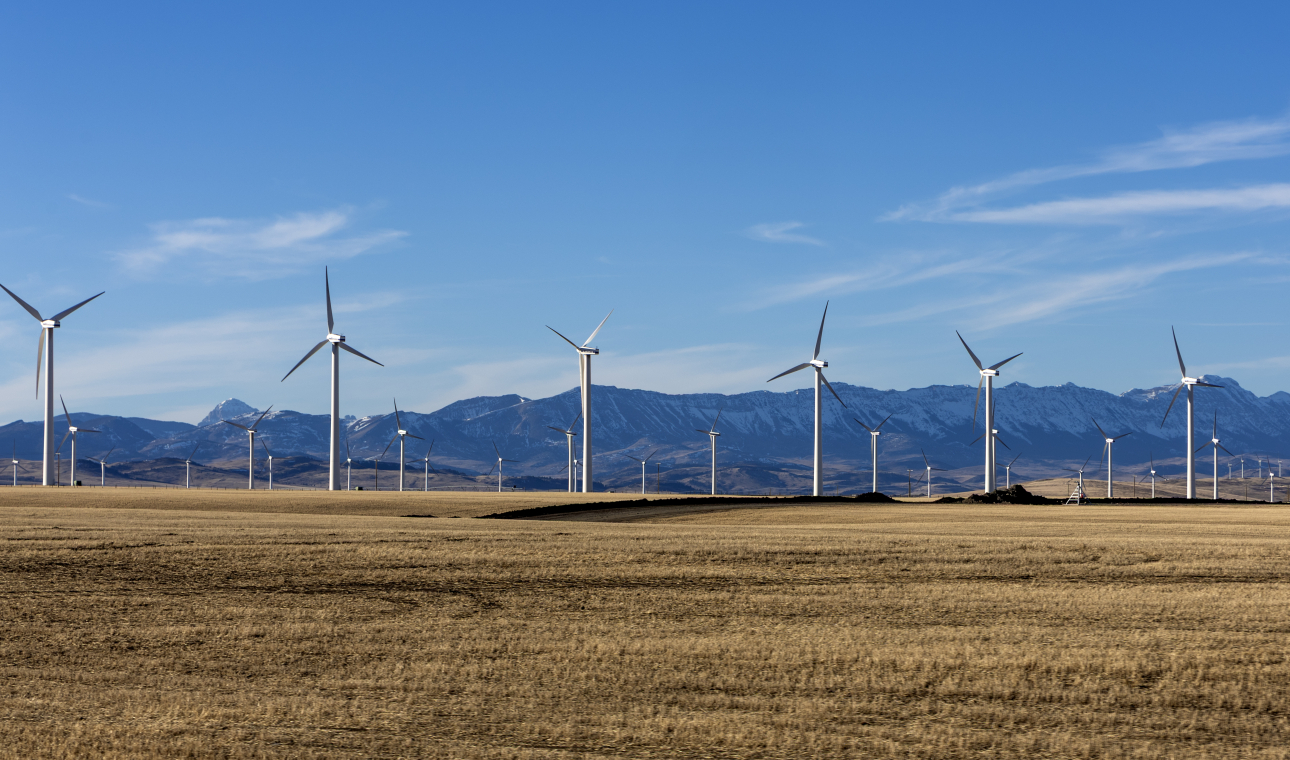 Wind turbines near Pincher Creek, Alta., Feb. 5, 2026. Photo by: Subbu Srinivasan for Canada’s National ObserverNIMBY rules
The latest salvo was fired when the Alberta Utilities Commission (AUC) hosted a meeting on April 24 to consult with municipalities on its new proposed standardized setbacks for renewable infrastructure.
The meeting, attended by Canada’s National Observer, provided new details about the government’s plan to impose new minimum distance rules to protect communities from noise and physical proximity to wind and solar projects, with implementation timelines to be determined after consultations end.
Why are these changes happening now? AUC officials said they had been working on the setback rules for two years under mandates set by Alberta Affordability and Utilities Minister Nathan Neudorf.
“In 2024, in addition to other policy changes related to agricultural land, visual impacts, reclamation, security, the minister of affordability and utilities [Neudorf] requested the AUC to pursue standardized setbacks for renewable energy infrastructure in the province,” Kim Macnab, executive director of the AUC facilities division, told participants at the meeting.
CNO asked Macnab if the new, evolving rules on setbacks could create more red tape for renewables developers and further discourage investors.
“One of the benefits of a standard set of setbacks is it provides consistency and certainty in planning and citing these projects,” Macnab said. “So, the goal here is to have a balance between regulatory and certainty for investment.”
“Certainty is helpful,” agreed Rajagopalan after the meeting, “but if it comes at the risk of not allowing future development because setbacks are so restrictive that companies aren’t able to make it work, then you’ve made a default sterilization.”
Based on the volume of questions from more than 70 participants in the online AUC session, the new measures appear to have created more confusion, complexity and cost — adding to the already daunting challenge of financing and building clean energy in Alberta.