

Listen to this article
Estimated 5 minutes
The audio version of this article is generated by AI-based technology. Mispronunciations can occur. We are working with our partners to continually review and improve the results.
Vancouver councillors have voted to approve a six-month pilot program that would see food delivery robots on some neighbourhood sidewalks starting this fall.
Serve Robotics, a U.S.-based company, will run the program in the downtown and Kitsilano neighbourhoods — with the firm’s robots already operating in U.S. cities like Los Angeles.
Those in favour of the robots say that they would reduce emissions, given they’re electrically powered, and help the city embrace innovation and new technology.
An opposition councillor and a business professor, however, say there needs to be proper oversight of the robots — especially when it comes to their impact on pedestrians, existing delivery workers and people with disabilities.
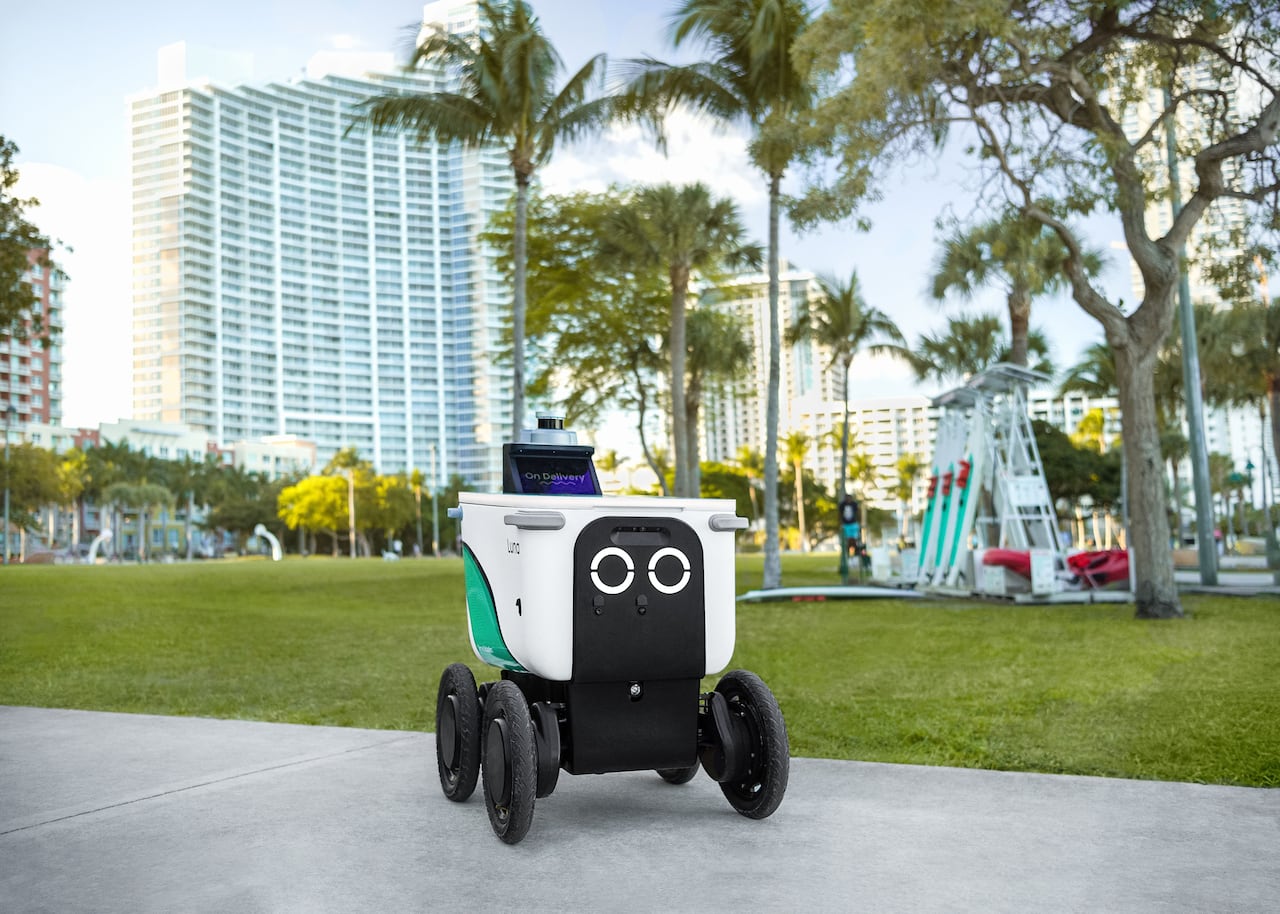 A Serve Robotics robot is seen in Miami. (Pryme Production/Serve Robotics)
ABC Coun. Mike Klassen, who proposed the motion that was passed by Vancouver councillors on Wednesday, argued the robots represented a “last mile” delivery approach.
“It doesn’t necessarily replace food delivery that’s already happening through vehicles and potentially on bicycles, but it’s a way of doing something that’s automated and hopefully more affordable in the long run as well,” he said.
Klassen’s motion calls on city staff to work with the province — which has ultimate jurisdiction over the use of sidewalks and streets in B.C. — and monitor the pilot program to inform future city policies.
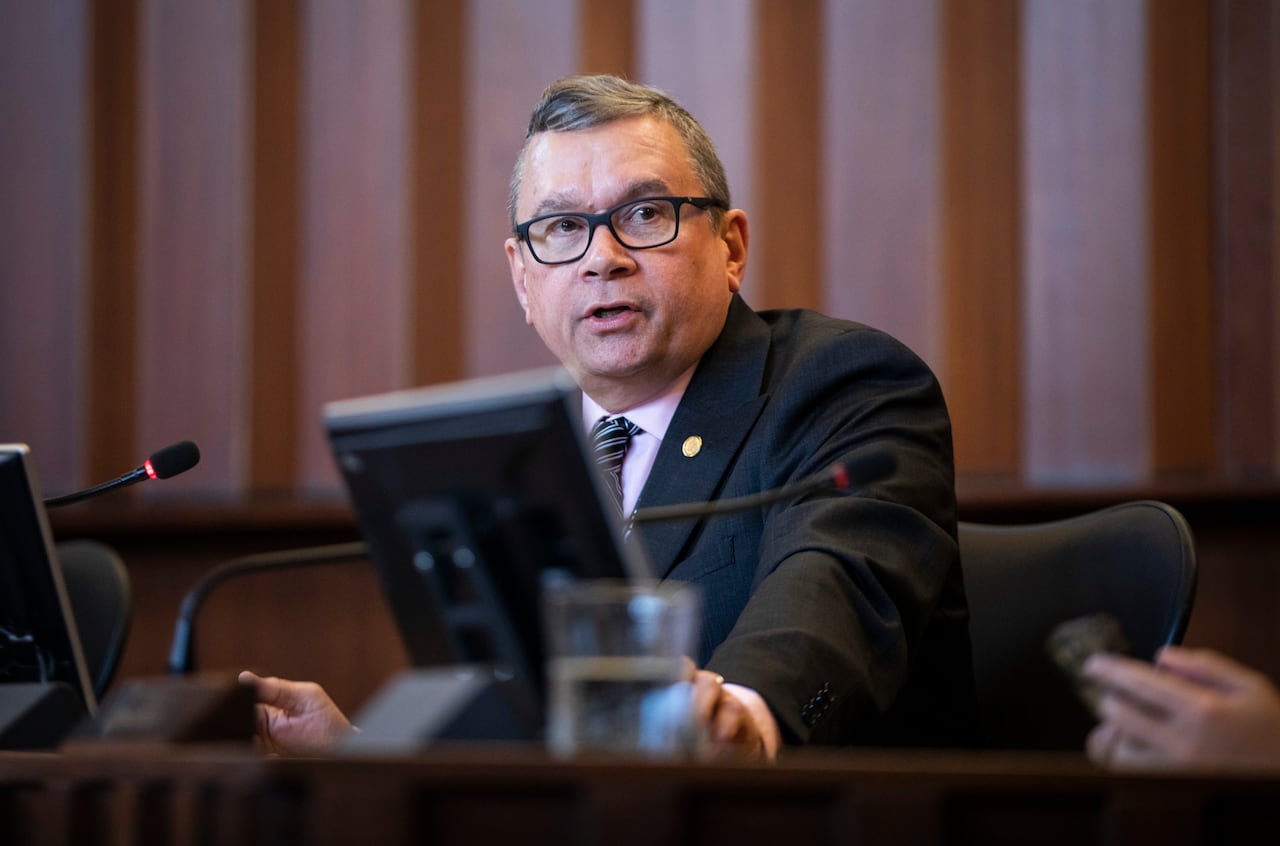 Vancouver Coun. Mike Klassen’s motion said the pilot program would allow Vancouver to implement a thoughtful and pragmatic approach to delivery robots. (Ben Nelms/CBC)
The councillor said the Kitsilano and downtown neighbourhoods were chosen for the pilot because they have dense forms of housing, so the distance for the robots to travel would be shorter.
Proponents claim energy efficiency
Ali Kashani, the CEO of Serve Robotics, told CBC News the company’s robots have been operating in L.A. since 2019.
Kashani, who immigrated to Vancouver when he was 19, said the company had already trialled the technology for two weeks at a Vancouver Pizza Hut in 2022, but was now looking forward to the wider pilot program.
WATCH | Different company tests robots in Markham, Ont.: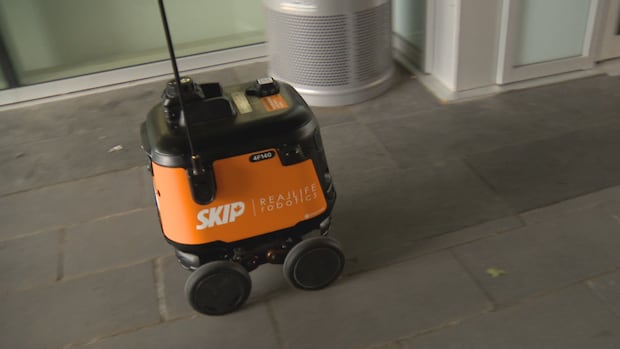
Food delivery robot project begins in downtown Markham
Food delivery service Skip, formerly SkipTheDishes, has partnered with a Waterloo-based robotics company to offer autonomous robot delivery services. CBC’s Michelle Song has more on the three-month pilot project.
The CEO argued that most food delivery trips are made in cars, and it was inefficient for small amounts of food to travel that way.
“Our robots have about 3,000 times less kinetic energy than a car, which means they just don’t pose the same kind of safety risk [as] a car does,” he added.
He also said that, while the robots largely operate on their own and navigate using sensors, they can ask a human operator to step in if they detect a situation that they don’t know how to handle.
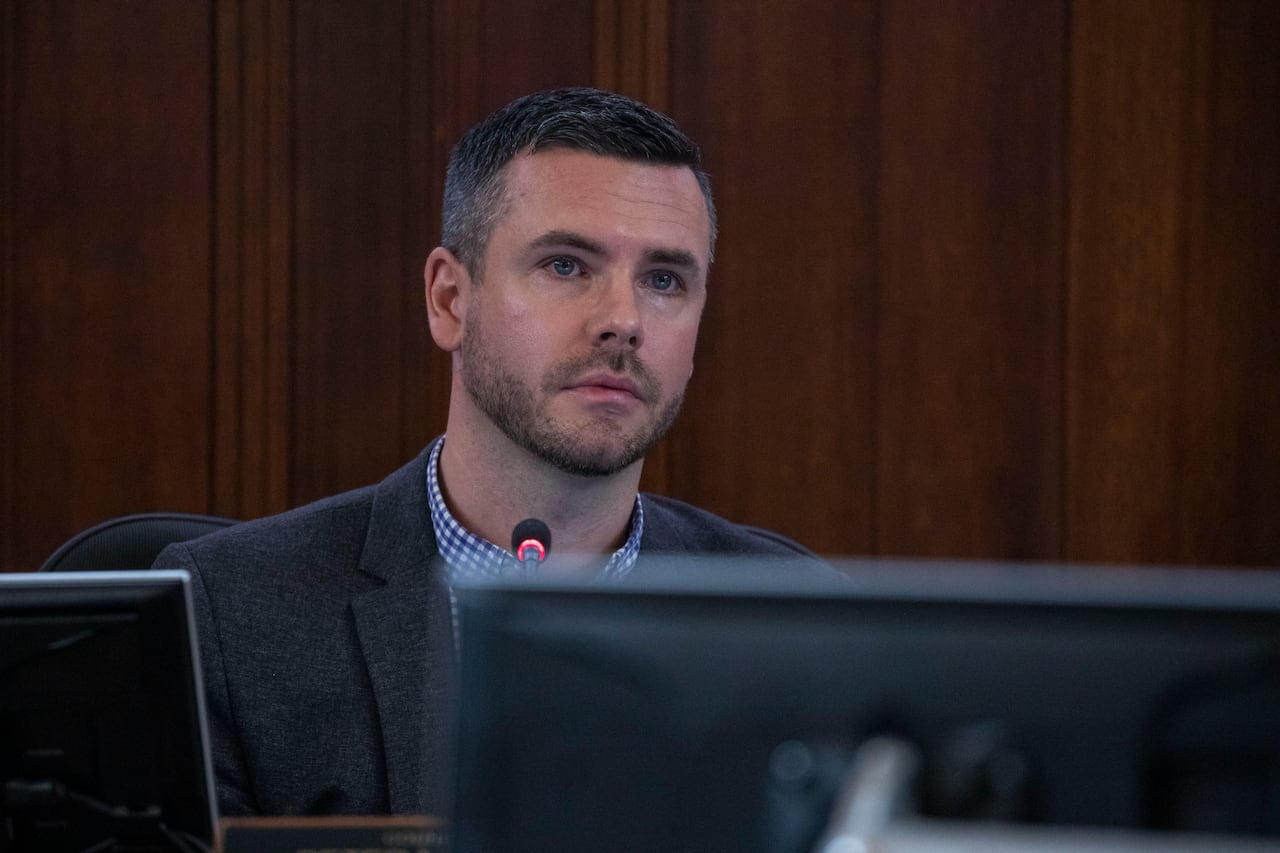 ABC Coun. Peter Meiszner said the robots would be environmentally friendly and take cars off the road. (Ben Nelms/CBC)
Coun. Peter Meiszner, who is also with the ABC slate, said the city took years to allow ride hailing and e-scooters — both services that other major cities had implemented successfully already.
“I don’t want to make the same mistake again with another technology that I think is really going to improve people’s lives and improve our city,” he said.
Concern for sidewalk users
OneCity Coun. Lucy Maloney said the experience of delivery robots in other cities hasn’t been universally positive.
She pointed to Toronto, which banned food delivery robots over them presenting a hazard to people with limited vision and mobility challenges.
“They can block pathways and curb cuts, and there have been significant near-misses between robots and pedestrians in other cities, often with robots at fault,” she told council.
“They pose risks of collision-related injuries, particularly to children who may suffer head or torso trauma.”
 Coun. Lucy Maloney said the robots presented a hazard to people with disabilities, and questioned how they would operate on packed sidewalks. (Ben Nelms/CBC)
Maloney argued that proceeding with the pilot program without first considering its implications for people with disabilities could open up the city to legal liability.
Werner Antweiler, an economics professor at the University of B.C.’s Sauder School of Business, said officials need to ensure that the machines “actually are good citizens” and that companies are able to manage the inevitable conflicts that occur between speeding robots and pedestrians.
“These are challenges that are very practical, and that means the the company needs to follow our rules — and we should set the rules, and not the company that wants to use it,” he said.
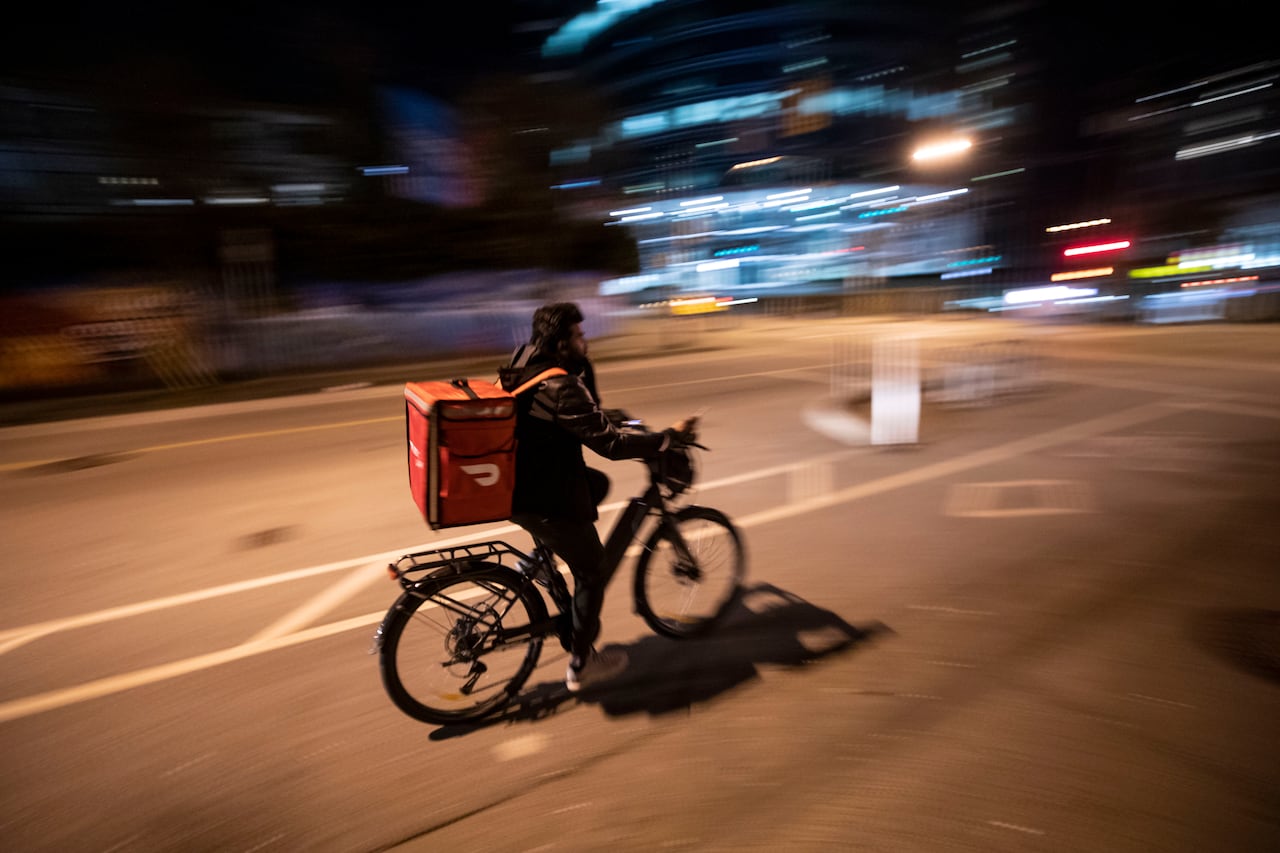 A business professor says solutions like food delivery robots could ultimately end up displacing entry-level jobs, like those of food delivery gig workers. (Ben Nelms/CBC)
Antweiler added that artificial intelligence solutions like delivery robots were ultimately about automation, and could potentially displace entry-level jobs like food delivery work.
“That is a broader societal question — to what extent that impacts our economy, but also our social fabric,” he said.
In B.C., the provincial Motor Vehicle Act would govern how exactly “micro-utility devices” like delivery robots would operate.
CBC News has reached out to the provincial Ministry of Transportation for comment.