
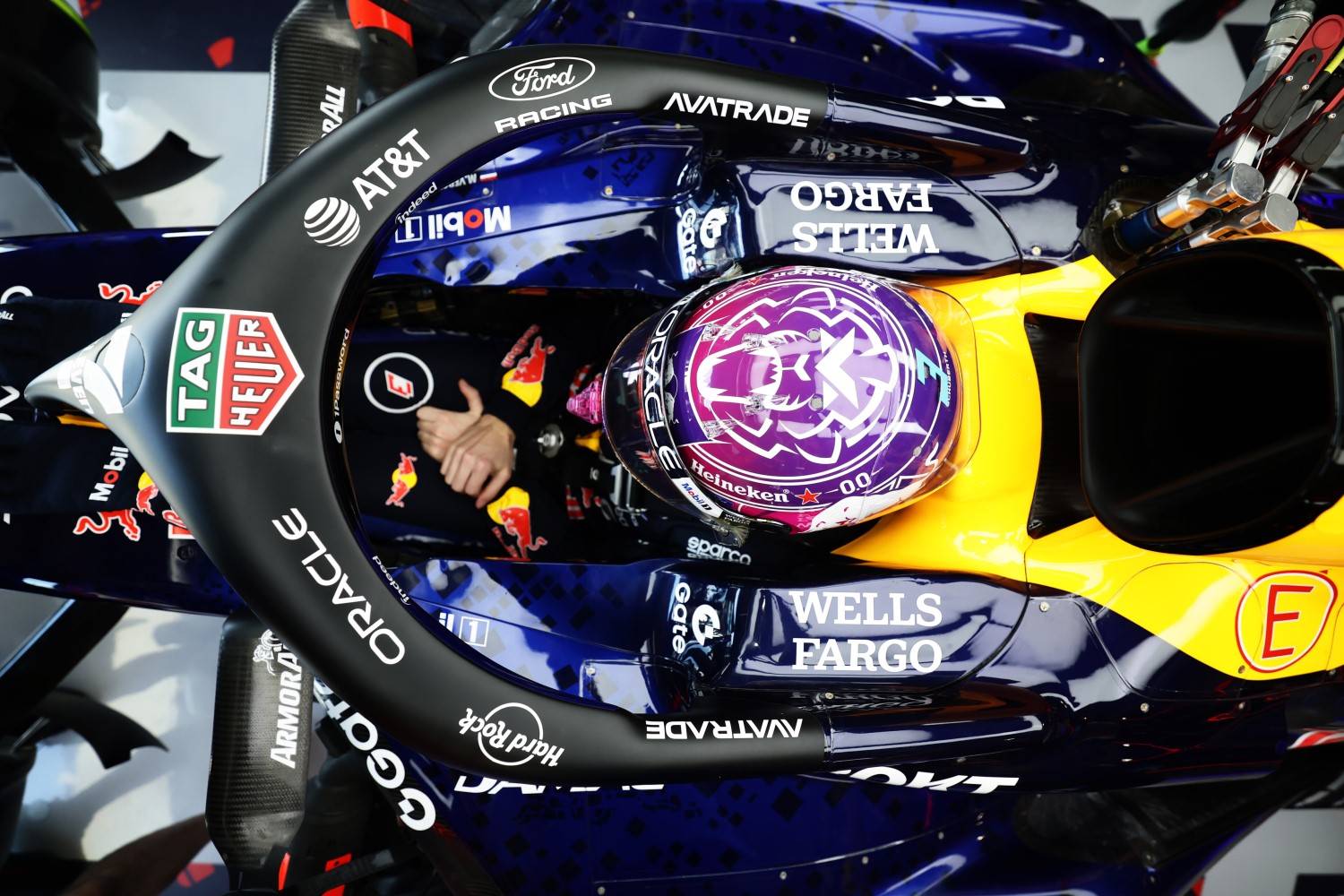
Ask most people to describe the physical demands of a Formula 1 driver and the answers cluster around the obvious: the g-forces through corners, the heat inside the cockpit, the reflexes required to react at 300 kilometers per hour. What gets left out is almost everything else. The neck strength required to keep a helmeted head upright through sustained lateral forces above 5g. The cardiovascular output of sustaining 160 to 180 beats per minute across a two-hour race in ambient temperatures that can push above 50 degrees inside the car.
The grip endurance required to manage a wheel that is fighting back through every corner for the entire race distance. Formula 1 drivers are athletes in a way that the sport’s image has historically underplayed, and the training that supports their performance reflects that reality.
The physical preparation of a modern Formula 1 driver is as sophisticated as any professional team sport athlete, and the recovery demands are in some ways more complex because the competitive calendar stretches across 24 races, multiple continents, and ten months of the year. Managing the cumulative physical load of that schedule while maintaining peak cognitive and physical performance at every round requires systems that go well beyond showing up to the gym regularly.
What a Race Actually Does to the Body
The cardiovascular demand of a Formula 1 race sits comfortably in the zone that exercise physiologists associate with sustained aerobic competition. Heart rate data from drivers during races consistently shows prolonged output at or above 80 percent of maximum, with spikes approaching maximum during high-g corners and safety car restarts where the physical effort of managing tire temperature intensifies. Over a two-hour race, the total cardiovascular work is comparable to a middle-distance running event, performed simultaneously with sustained precision motor control tasks under extreme sensory load.
The neck and upper back musculature takes a load that has no direct equivalent in other sports. Lateral g-forces through high-speed corners require the neck muscles to resist forces equivalent to three to five times the weight of the head and helmet. Over a race distance of 60-plus laps, the cumulative fatigue in these muscles becomes a genuine performance variable in the closing stages. Drivers who have not maintained sufficient neck strength through training show measurable degradation in head position through the later portions of races, which affects both vision and the body’s ability to sense car movement.
Heat and dehydration compound everything. Cockpit temperatures regularly exceed 40 degrees Celsius, and drivers can lose two to three kilograms of body mass through sweat over a race distance. Even moderate dehydration, as low as two percent of body mass, produces measurable impairment in reaction time and decision-making quality. The nutritional preparation that begins days before a race, including hydration status, glycogen loading, and protein adequacy, directly affects the driver’s capacity to sustain performance across all 60-plus laps rather than the first 40. High-quality whey protein powder consumed consistently in the days leading into a race weekend supports the muscle maintenance and structural integrity that the physical demands of driving require, particularly for the neck, shoulder, and core musculature absorbing the highest sustained load.
What Research Shows About Motorsport Physiology
A study published in the Journal of Science and Medicine in Sport examined physiological responses in motorsport athletes during competitive events and found that heart rate, core temperature, and perceived exertion all reached levels comparable to sustained aerobic sport competition. The researchers noted that cognitive performance metrics, including reaction time and decision accuracy, degraded significantly in drivers who began events in a dehydrated state relative to those who were adequately fuelled and hydrated. The study highlighted the interaction between physical conditioning and cognitive function as the defining performance variable in motorsport, since the consequences of a degraded decision in Formula 1 are considerably more severe than in most other competitive contexts.
Subsequent research on neck strength training for motorsport athletes found that targeted resistance work for the cervical and upper thoracic musculature produced significant improvements in driver-reported fatigue levels in the closing stages of races, with some participants noting improved consistency in braking reference points late in races that they attributed to reduced muscular fatigue affecting head stability. This is the kind of marginal gain that separates a driver who holds pace in the final ten laps from one whose lap times drift.
The Formula 1 Training Week: What Preparation Actually Looks Like
During a race weekend the training volume is necessarily reduced, focused on maintaining activation and mobility rather than accumulating fitness. The work that produces the physical capability to survive and perform at a race weekend happens in the weeks between events, during the blocks of time that the calendar allows for preparation.
Neck and shoulder work takes priority in a way that distinguishes F1 training from general athletic preparation. Specific exercises targeting the sternocleidomastoid, trapezius, and deep cervical flexors are built into multiple sessions per week year-round, not periodized in and out of the program. The loads involved are modest by strength training standards but the specificity and consistency of the work are what produce the neck strength that makes a difference in race conditions.
Cardiovascular conditioning targets the sustained aerobic output that a race demands, with emphasis on the ability to maintain aerobic function at elevated core temperatures. Cycling, rowing, and running all appear in F1 driver training programmes, typically structured to build the aerobic base capacity that supports sustained high heart rate output without crossing into excessive fatigue accumulation that would compromise the multiple training days required in a given week.
Recovery Between Race Weekends
The Formula 1 calendar allows limited time between consecutive race weekends during the densest parts of the season. European swing races can occur on consecutive weekends, leaving less than seven days between a driver stepping out of the car at one venue and stepping into it at the next. Managing recovery within that window is as much the performance preparation as any training session completed within it.
Heat therapy has a practical role in the Formula 1 context specifically because of the contrast between what the body needs and what the calendar allows. Red red light saunas used two to three times in the recovery week support the circulatory and cellular repair processes that the physical demands of driving initiate, without adding training load to a body that is already managing a dense competitive schedule. Drivers and their performance teams who build deliberate heat therapy into the inter-race week report reduced residual neck and shoulder stiffness entering the next event and better sleep quality through the mid-week period when travel disruption most commonly affects rest.
Protein adequacy through the inter-race period supports the maintenance of the specific musculature that Formula 1 competition demands. The neck and upper back muscles that work hardest during a race are the same ones that need to be ready for the following weekend. Ensuring protein targets are met consistently, rather than only around gym sessions, provides the substrate for that ongoing maintenance regardless of how compressed the schedule becomes.