

Listen to this article
Estimated 3 minutes
The audio version of this article is generated by AI-based technology. Mispronunciations can occur. We are working with our partners to continually review and improve the results.
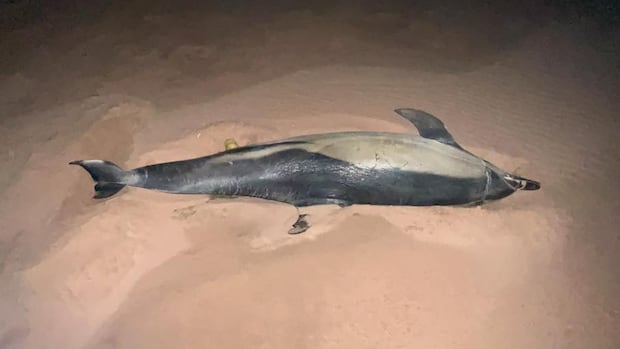
A necropsy performed on a dolphin discovered last October stranded on Blooming Point Beach found the animal was infested with parasites.
Tonya Wimmer, co-executive director and director of conservation with the Marine Animal Response Society, said the dolphin had severe pneumonia from a severe infestation of lungworms, causing the dolphin to have problems breathing.
The call about the stranded young female common dolphin came the evening of Oct. 10, 2025, Wimmer said. MARS contacted the federal Department of Fisheries and Oceans and veterinarians, as well as witnesses on site, for more information. Witnesses on site told Wimmer they thought the animal was in “fairly good shape,” but she said that was not the case.
“They did the necropsy and they found out that it was really compromised,” she said.
The day the dolphin was discovered, fisheries officials arrived at the beach about an hour after the initial call, and had Wimmer and a P.E.I. veterinarian on the phone. At that point, Wimmer said, the dolphin was still alive but seemed to be struggling to breathe.
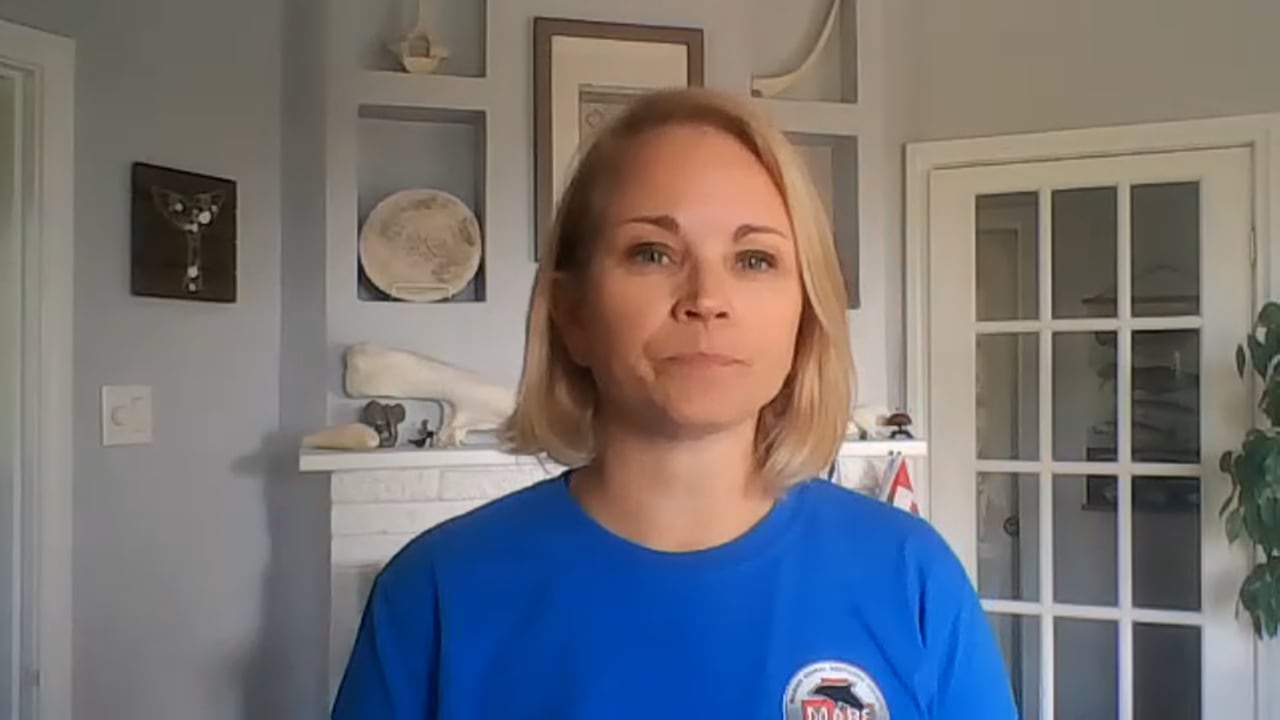 Tonya Wimmer, co-executive director and director of conservation with the Marine Animal Response Society, says a dolphin found on P.E.I.’s North Shore had severe pneumonia caused by a heavy infestation of lung worms. (Zoom)
There was a discussion about whether refloating the animal was in its best interest, but the time of night and windy conditions, as well as human safety, led to the “very hard decision” to leave the dolphin and re-evaluate the next morning, by which time it had died, Wimmer said.
Federal fisheries officers retrieved the carcass and took it to the Atlantic Veterinary College, where veterinarians tried to figure out why it was alone and how it became stranded.
“In discussing that later with our veterinary colleagues … trying to refloat it probably would have caused even more distress for the animal, which is what we absolutely do not want to do,” Wimmer said.
Veterinarians discovered the dolphin also had a kind of flatworm called trematodes, commonly known as flukes, in its ears, which likely disoriented it and led to it becoming stranded.
“A lot of things were at play, and really the long and short of it is that the animal is actually quite unhealthy,” Wimmer said.
“All the right decisions are made in terms of the assessment of the animal and what its prognosis would be to be able to … refloat it and have it go off and live a healthy life. This animal is definitely compromised.”
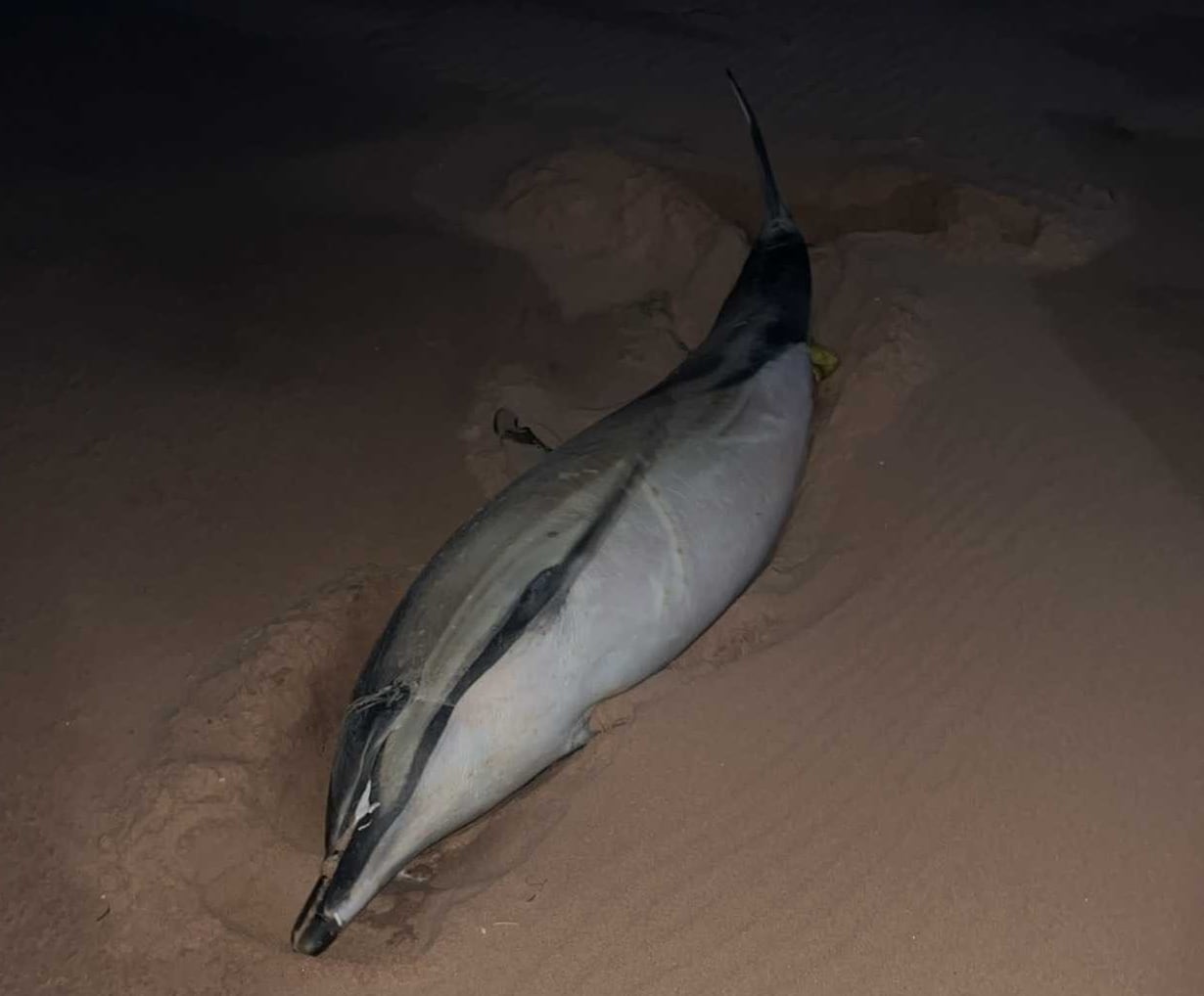 A dolphin discovered in Blooming Point was found by people walking on the beach. (MARS/Facebook)
Dolphins discovered alone are concerning, Wimmer said, because they normally travel in large groups. In this case, the parasites may have caused the dolphin to become so ill it could not keep up with its pod.
Wimmer said it’s not unusual for wildlife of any kind, on land or water, to become disoriented and stranded. What people can take from this situation, she said, is how to respond if they come across a stranding.
“I hope a lot of what comes out of incidents like these, although very sad, and they’re heartbreaking even for those of us who’ve been doing this a long time, you know, is that … some of this is very natural,” she said.
“The greatest thing I always see with these incidents is just people being concerned … because they are very caring and very passionate about these animals, and that’s wonderful.”