

Listen to this article
Estimated 5 minutes
The audio version of this article is generated by AI-based technology. Mispronunciations can occur. We are working with our partners to continually review and improve the results.
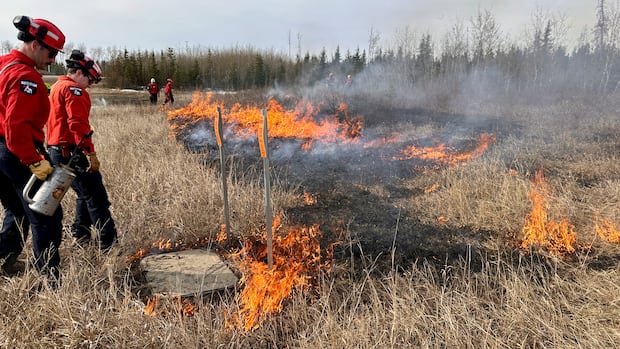
Flames trickled out of drip torches as the specially trained High Level Wildland Urban Interface (WUI) crew ignited dead grass in a ditch adjacent to the community – a part of the northern Alberta town’s preparations ahead of the coming fire season.
The town’s WUI team was one of the first two formed in the province during the program’s inception seven years ago and is one of eight currently operating in Alberta. The seven other Alberta-based teams are located in Clearwater County, Kananaskis, Strathmore, Hinton, Slave Lake, Lac La Biche and the KTC Tribal Council in Red Earth Creek.
Crew members are trained to respond to traditional structure fires while also performing wildland firefighting duties.
“We’re not going too far out into the wildland firefighters territory, but we’re working that middle area where there hasn’t typically been a lot of coverage in the past,” High Level WUI team lead Brady Clarke said.
“It kind of gives you the best of both worlds.”
An evacuation hub
High Level is a town of just over 4,000 residents located 740 kilometres northwest of Edmonton.
The community has been a hub for fire evacuation activity in recent years, which has stretched local resources according to town officials.
Mayor Josh Lambert said the 2019 Chuckegg Creek wildfire “was where things blew up” in terms of wildfire activity in the region. More than 350,000 hectares burned and the blaze smouldered for more than a year before being fully extinguished.
Lambert recalled 2023 and 2024 as years where fire evacuees from neighbouring regions stayed in town. Flooding throughout Mackenzie County has also caused various evacuations to High Level over the past decade.
“We’re also the main highway right through to Hay River to Yellowknife. Anywhere in the Northwest Territories essentially has to come through High Level,” Lambert said, explaining that High Level is a service area to around 30,000 people in surrounding communities.
‘At the drawing board’ with new evacuation centre
The High Level Sports Complex and Curling Club has been the main location for evacuees to stay during a disaster.
It housed more than a thousand cots during 2023 and has sometimes been transformed into a reception centre.
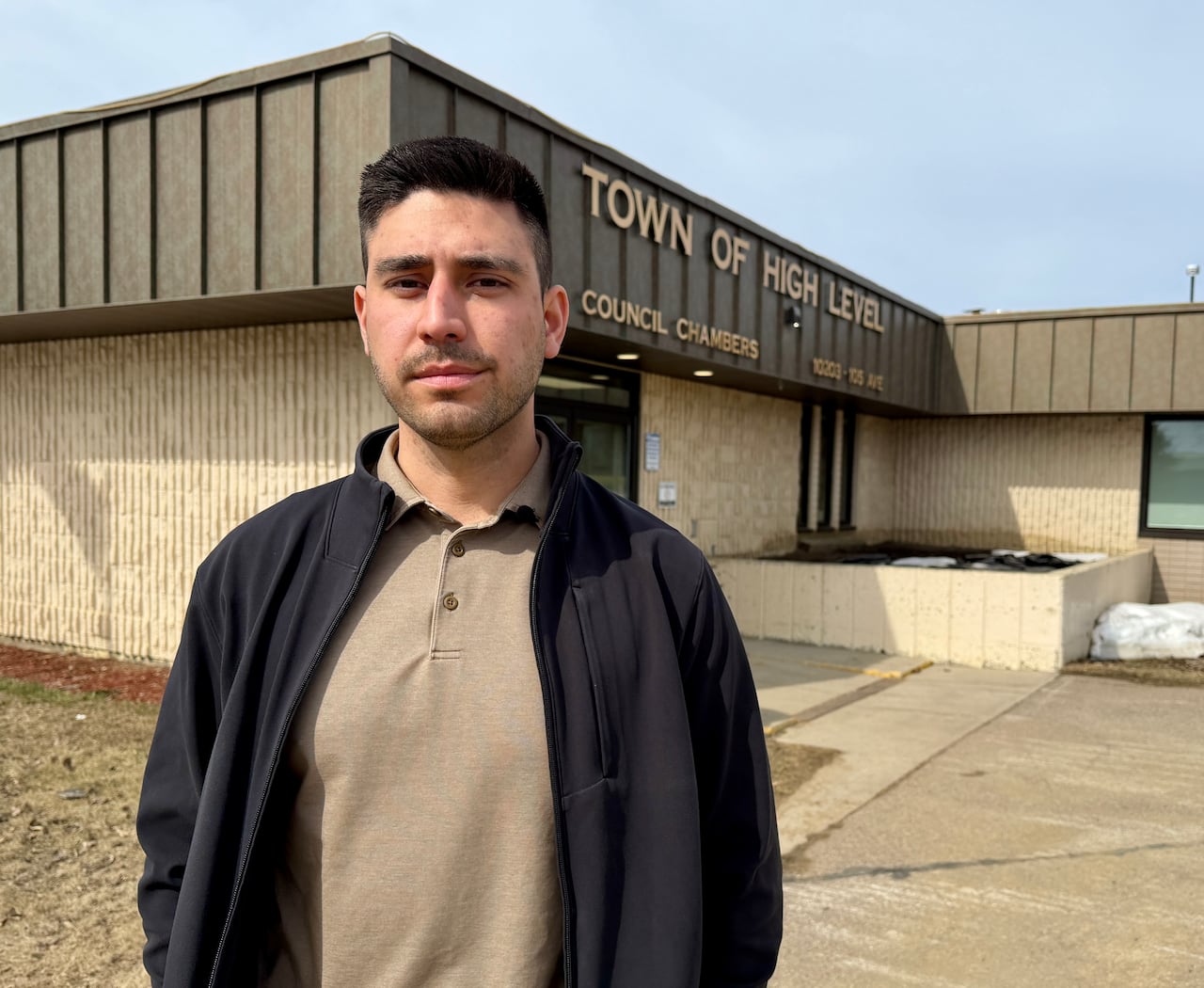 Josh Lambert, mayor of High Level, is hoping for a quiet wildfire season. (Eagle Andersen/CBC)
“It’s obviously not something that’s ideal. People want to be with their families,” Lambert said, noting that the facility has also been used to help co-ordinate hotel stays for those fleeing.
Building a new dedicated multipurpose evacuation centre has been discussed. The most recent update on the town’s website came out in 2021.
The space would also serve as a recreation facility, Lambert said.
Lambert said that the town is “still at the drawing board” with the project that he estimates would cost around $60 million – a decrease from a previous estimate of $88 million due to redrawn plans.
“Realistically, we can’t fund it through municipal tax dollars, right? That’s just not something that’s feasible,” Lambert said.
“Without proper funding from the provincial government or the federal government, that’s not something at this time we’ll be able to move forward with until we have proper funds available.”
The town has had conversations on the topic with provincial and federal officials, said Lambert.
A spokesperson for Alberta’s Ministry of Public Safety and Emergency Services said the office works closely with communities and regularly considers how existing facilities can be repurposed for evacuation response.
WATCH | How High Level, Alta., is preparing for natural disasters: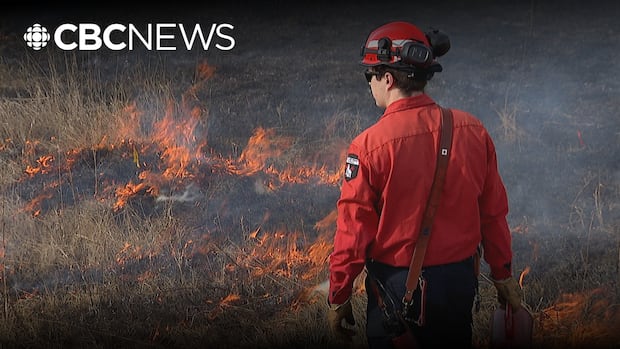
Here’s how the northern Alberta hub of High Level is gearing up for natural disasters
The community of High Level has seen its share of wildfires and floods and has provided shelter to neighbours in need in the Peace Region and beyond. The CBC’s Eagle Andersen shows us how they’re gearing up this spring.
New capital projects are considered as part of the annual budget cycle, the spokesperson told CBC News in a statement Wednesday.
“We recognize the unique challenges northern communities face during wildfire season and remain committed to working with partners to assess needs and identify appropriate supports,” the spokesperson said.
Soraya Lemur, press secretary for the federal Ministry of Emergency Management and Community Resilience, said the ministry remains in contact with the province to “to discuss how federal programs can best support priorities on the ground, including in northern communities.”
“We will continue to collaborate with all levels of government to strengthen preparedness and ensure Canadians are protected when disasters strike,” Lemur wrote in a statement Wednesday.
Fire prevention
Lambert said the fire department “has done a fantastic job” in preventative measures this spring and during the past decade.
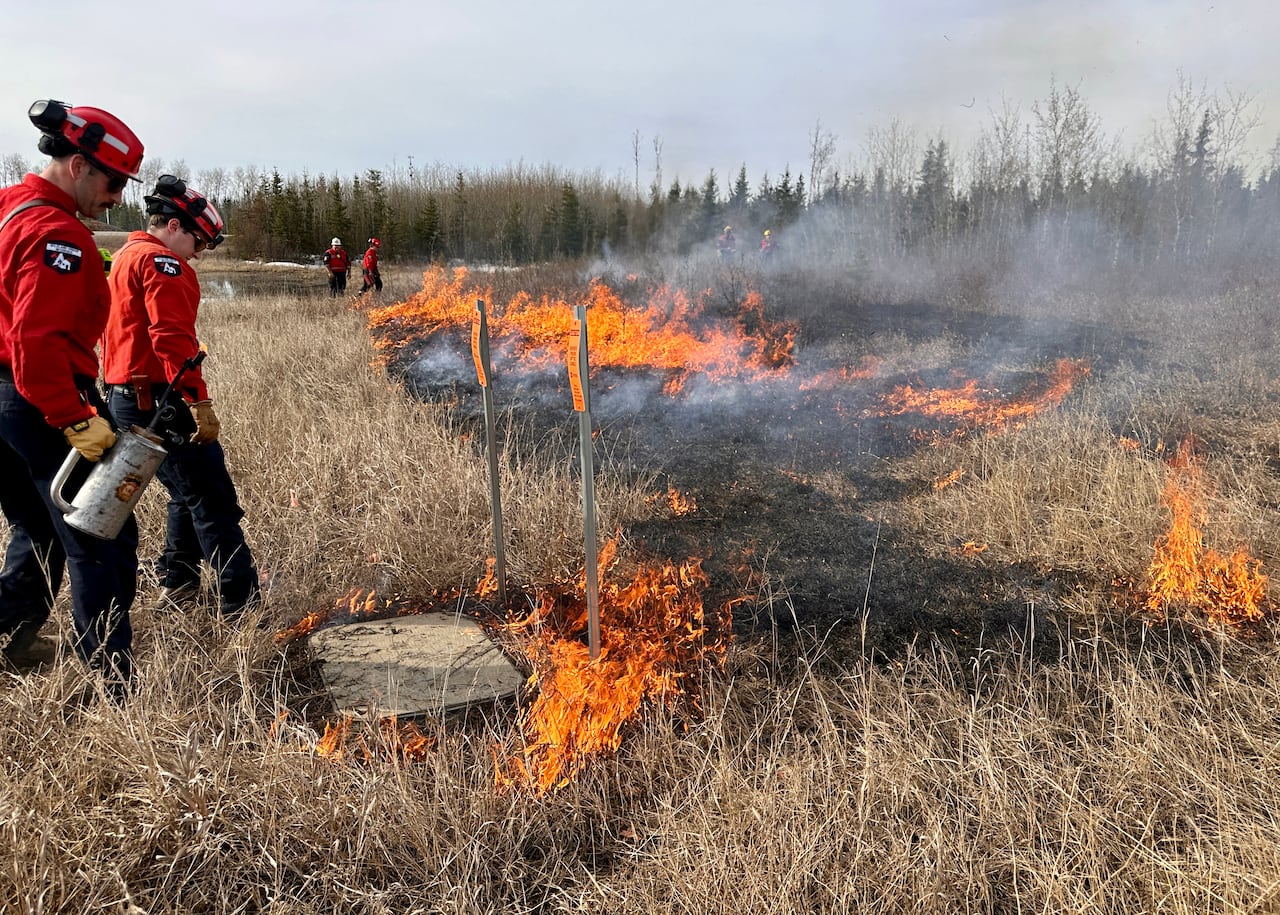 Fire crews in the Town of High Level recently conducted a hazard reduction burn on the edge of town. (Adrienne Lamb/CBC)
“In 2019, we actually had a fire guard created around the entire town. So they’ve done a great job in maintaining that as well to make sure that doesn’t grow up too much,” Lambert said.
High Level Fire Chief Jason Ripley said those measures are especially critical for the northern Alberta town due to the surrounding landscape.
“We’re in the middle of the boreal forest. Basically everything in town is what we would consider the interface area…So it creates substantial risk for the town [with] wildfire,” Ripley said.
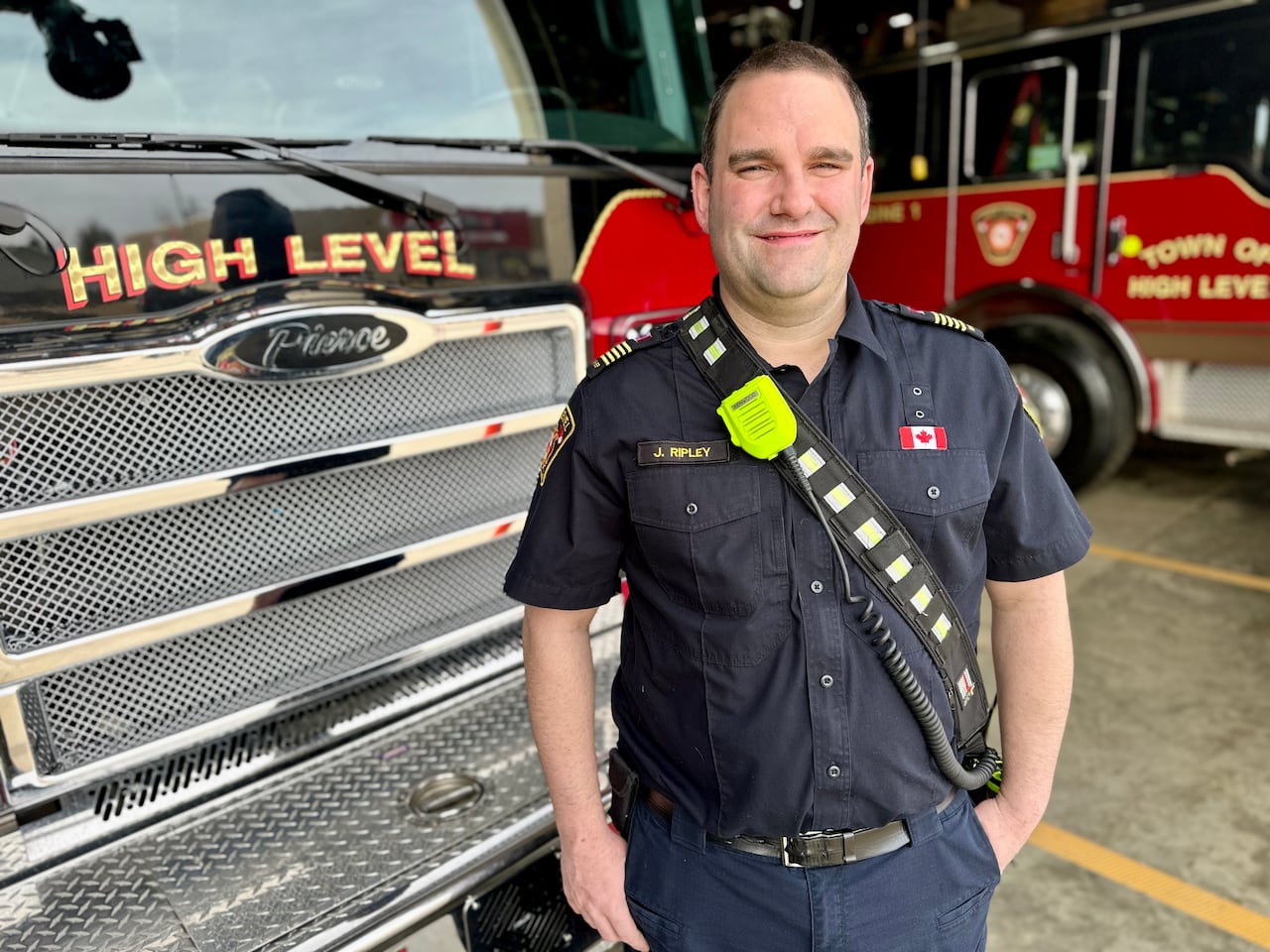 High Level Fire Chief Jason Ripley stands in the High Level Fire Department. (Adrienne Lamb/CBC)
WUI teams conduct hazard reduction burns, remove dangerous trees in and around town, provide structure protection and can be deployed to wildfires when needed.
Clarke noted the town’s WUI team is important for the community, especially with their ability to provide a timely response if needed.
“We are more remote than other places. Our closest mutual aid partners are 45 minutes away,” Clarke said.