
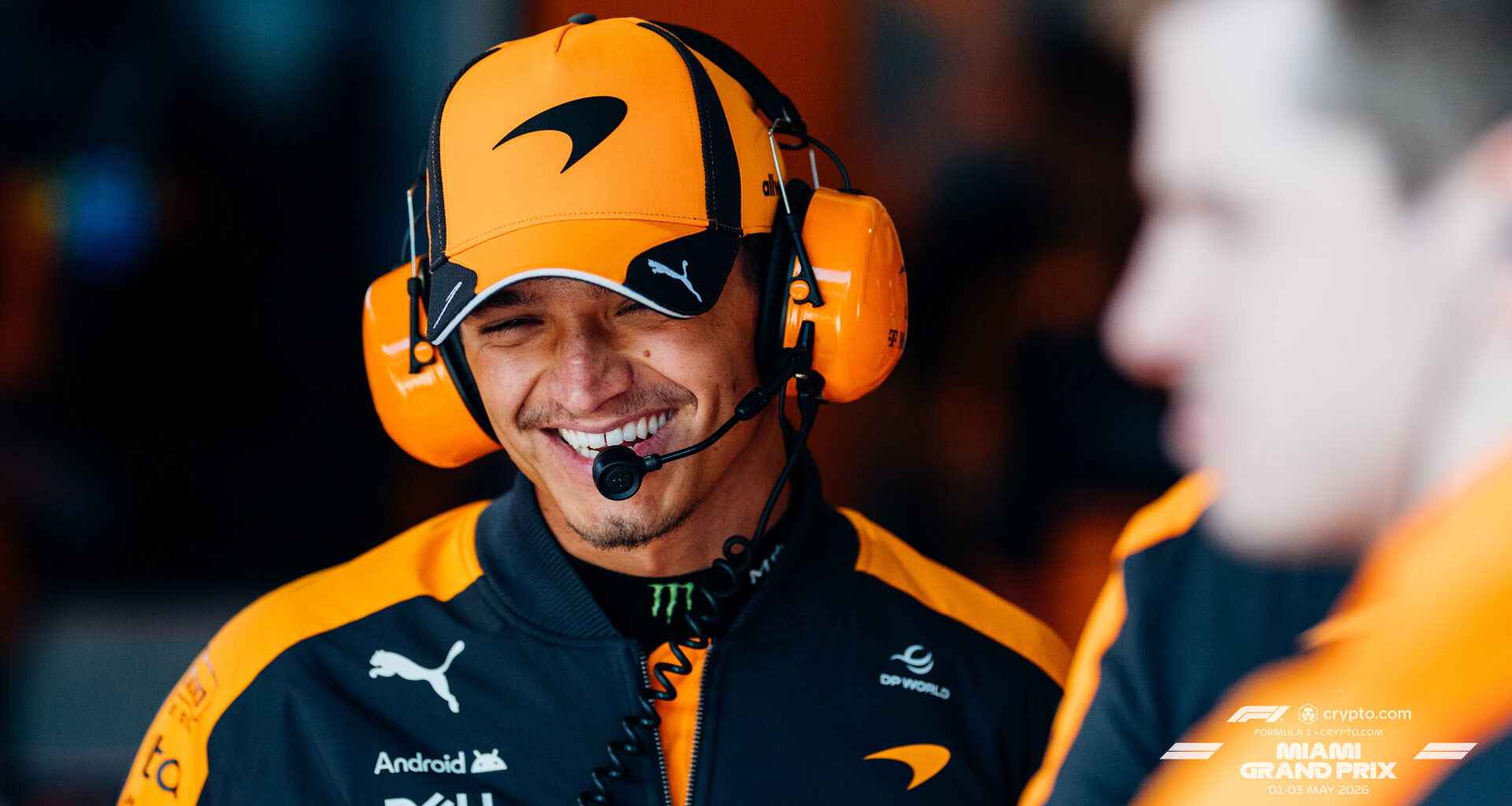
The 2026 Miami Grand Prix delivered one of the most dynamic race weekends of the Formula 1 season so far, reshaping perceptions across the grid. With emerging talent challenging established names and unexpected race developments influencing final positions, the event has had a noticeable impact on how drivers are viewed heading into the next stretch of the calendar.
Performances across both the Sprint and main race provided a deeper look at form, consistency, and adaptability under pressure. For fans in the United States, Miami once again proved why it remains a pivotal race for evaluating momentum shifts in the championship.
Kimi Antonelli: A Breakthrough Performance Under Pressure
Kimi Antonelli’s weekend in Miami marked a defining moment in his early Formula 1 career. Securing pole position against a highly competitive field demonstrated not only raw pace but also composure during qualifying. His ability to perform under pressure immediately elevated expectations for his trajectory in the sport.
During the race, Antonelli showcased maturity beyond his years. Despite sustained pressure from experienced drivers like Charles Leclerc and Lando Norris, he maintained control at the front. His defensive driving stayed measured rather than reactive, allowing him to protect position without compromising tire management or overall race strategy.
What stood out most was his consistency across race phases. Whether managing restarts or responding to strategic variations from rivals, Antonelli remained composed. This level of execution highlighted his readiness to compete at the highest level.
His Miami performance has naturally influenced conversations around future race outcomes. Observers are now viewing him as more than a rising talent, but as a driver capable of shaping race results in meaningful ways.
Lando Norris: Relentless Pace Across Formats
Lando Norris delivered one of the most complete performances of the weekend, beginning with a commanding victory in the Sprint Race. That result alone reinforced his ability to capitalize on shorter race formats, where precision and aggressive pacing often determine outcomes.
In the main race, Norris continued to be a persistent presence near the front. While he did not secure the top step of the podium, his ability to challenge the leaders at different stages added another layer of unpredictability to the race. His racecraft consistently kept him within striking distance during several key moments.
Norris also demonstrated adaptability in traffic, navigating mid-race battles without sacrificing long-term positioning. His performance suggested a driver comfortable in multiple racing scenarios, whether leading, chasing, or defending.
As discussions around Formula 1 betting lines evolve following Miami, Norris has emerged as a driver whose consistency across formats cannot be overlooked. His performances indicate a strong likelihood of continued competitiveness as the season progresses.
Charles Leclerc: Competitive Edge Despite Finishing Position
Charles Leclerc’s final classification in Miami does not fully reflect the competitiveness he displayed throughout the race. Early in the race, he mounted a serious challenge against Andrea Kimi Antonelli, applying sustained pressure that tested both drivers’ race management and composure.
As the race unfolded, Leclerc found himself engaged in intense battles with Max Verstappen. These duels were crucial in determining points distribution and demonstrated Leclerc’s willingness to fight for every position. His approach remained assertive without crossing into unnecessary risk.
Although he ultimately finished eighth, his pace during key segments of the race suggested underlying performance strength. External factors, including strategy timing and track position, contributed to limiting his final result.
Leclerc’s Miami outing reinforced his credentials as a contender capable of influencing race dynamics. His ability to remain competitive across the race’s different phases continues to position him as a driver to watch in upcoming events.
Max Verstappen: Recovery Drive Highlights Resilience
Max Verstappen’s Miami Grand Prix was defined by adversity and recovery. After qualifying in second, expectations were high for a strong race result. However, an early pit stop significantly changed the course of his race, dropping him well down the order and forcing a recovery drive for the remainder of the event.
What followed was a determined recovery drive that highlighted Verstappen’s resilience and race intelligence. He methodically worked his way through the field, balancing aggression with calculated overtakes. Each position gained reflected both driver skill and strategic awareness.
For fans following race analysis, driver performance trends, and broader Formula One coverage, FanDuel Research has increasingly become a resource for motorsports news and insights throughout the season. Verstappen’s recovery drive in Miami stood out as one of the clearer examples of how adaptability can shape a result even after a disrupted strategy
This performance reaffirmed his reputation as a driver capable of extracting results even when conditions are less than ideal. His Miami race may not have been straightforward, but it demonstrated qualities that continue to define his presence at the top level of the sport.
Oscar Piastri: Confidence and Consistency on Display
Oscar Piastri entered the Miami weekend with questions surrounding his early-season form, but his performances quickly shifted that narrative. Finishing second in the Sprint Race set the tone for a weekend where he consistently demonstrated pace and control.
In the main race, Piastri built on that momentum with a composed drive to third place. His ability to maintain competitive lap times while avoiding costly mistakes reflected growing confidence in his overall approach. That composure became especially noticeable during the race’s more high-pressure phases.
Piastri’s race management also stood out. He balanced tire conservation with strategic positioning, ensuring he remained within podium contention throughout the race. His awareness of race dynamics allowed him to respond effectively to changes in pace around him.
The Miami Grand Prix served as a reminder of Piastri’s potential. With early-season inconsistencies now fading, his performances suggest a driver settling into a rhythm that could yield strong results in upcoming races.
Momentum Shifts Heading Into the Next Phase
The Miami Grand Prix has provided a clearer picture of Formula 1’s evolving competitive landscape. Established drivers continue to deliver strong performances, but emerging talents are increasingly influencing race outcomes. This blend of experience and youth is shaping a season defined by unpredictability and depth.
Each of the highlighted drivers demonstrated qualities that extend beyond a single race result. Whether through consistency, resilience, or breakthrough performances, their contributions in Miami have added new layers to the championship narrative. For fans, this creates a more engaging and dynamic viewing experience. As the season progresses, these performances will continue to inform expectations around race weekends. Miami was not just a standalone event, but a key indicator of form that could influence upcoming races across different circuits and conditions.