
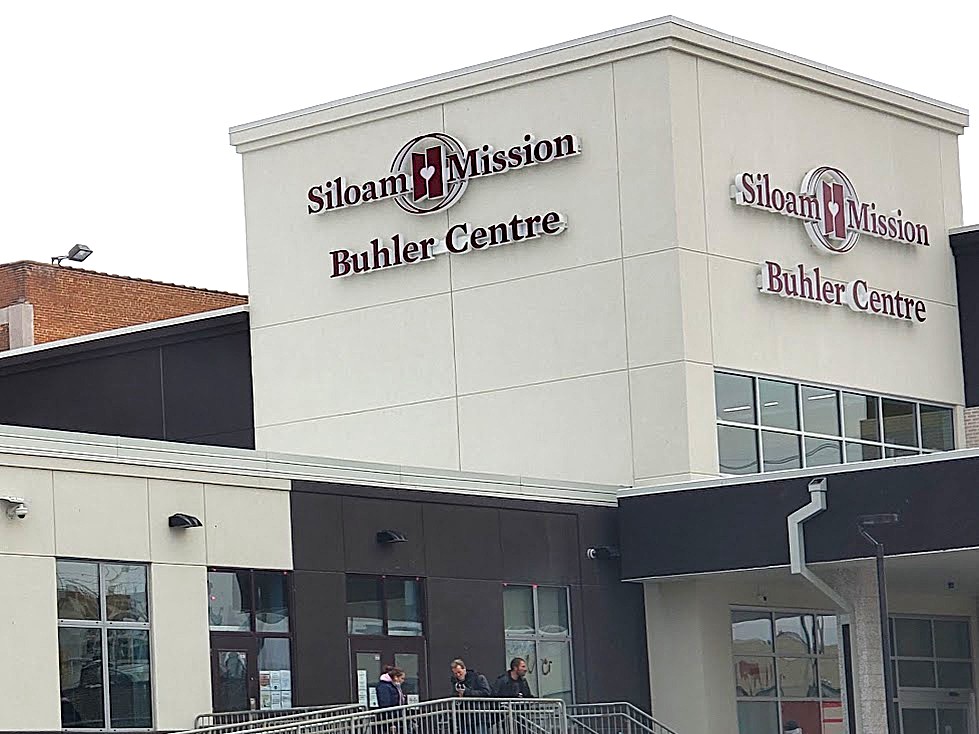
At Siloam Mission, the work of addressing homelessness and poverty in Winnipeg is both immediate and long-term. For CEO Sonia Prevost-Derbecker, the role is deeply personal.
“I didn’t come from a privileged place in life,” she says. “I’ve experienced poverty and I know how dire and desperate that need is.”
That lived experience shapes her approach to leadership and reinforces a core belief: meaningful support can help people create lasting change in their lives. Each day, Prevost-Derbecker sees that belief in action.
“Every day I come in, I see our work in action,” she says. “I see the need and I see the strengths and the resiliency of our community.”
More than a shelter
Siloam Mission serves a diverse population. While many associate the organization with homelessness, the reality is more complex.
“It is all walks of life,” Prevost-Derbecker explains. “It is single moms that just need to get a hand up, people that are precariously housed, people who were once homeless and still need support.”
The organization provides more than 50,000 shelter nights annually and serves more than 551,000 meals last year. But those numbers only tell part of the story.
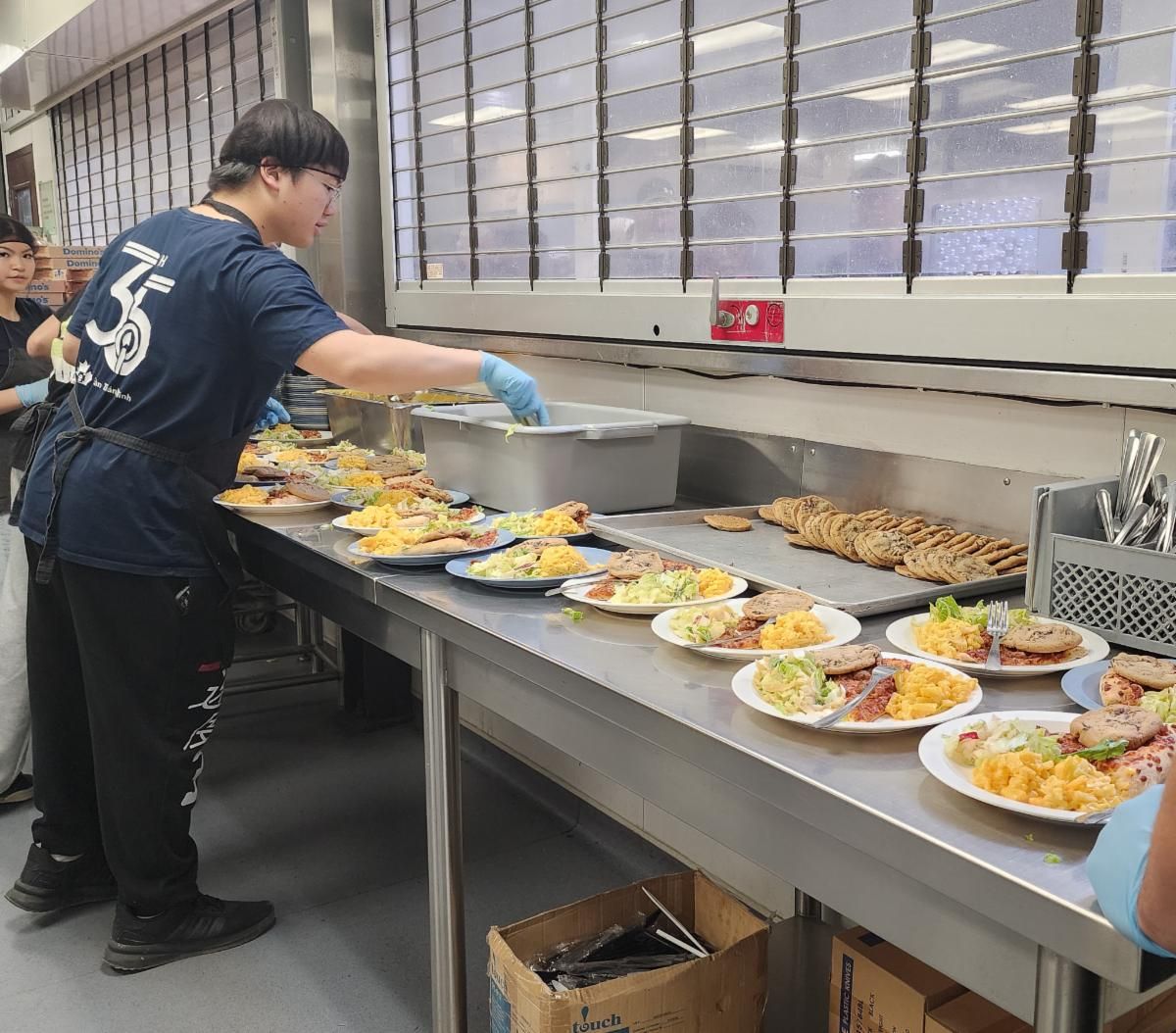
Siloam operates as a hub of integrated services. Individuals can access meals, shelter and basic needs, but also medical care, including doctors, nurse practitioners and dental services. From there, many begin a journey toward stability.
“It’s not just the shelter beds and the meals,” says Prevost-Derbecker. “That’s a pipeline into a full spectrum of supports and services.”
Like many communities across Canada, Winnipeg is facing increasing pressures related to housing affordability and poverty. Siloam Mission is seeing those impacts firsthand.
“There’s a huge lack of housing,” Prevost-Derbecker notes. “And an increase in poverty.”
The toxic drug crisis has also intensified challenges for individuals and families. Prevost-Derbecker emphasizes the importance of including families in solutions, noting they are often the strongest advocates for their loved ones.
Another ongoing concern is the number of young people aging out of the child welfare system.
“Fifty per cent of the unhoused come from child welfare,” she says. “These are kids 18-plus that are aging out of care, and they often have no families.”
Stories of transformation
Despite these challenges, Prevost-Derbecker points to many examples of hope. She recalls a young man she knew growing up who later developed schizophrenia and experienced homelessness. Today, he lives in supported housing with access to mental health care.
“There are so many stories,” she reflects. “That’s what keeps us all coming to work – those relationships.”
Some individuals supported by Siloam even return as staff members, bringing lived experience into the organization’s work.
“The only difference between us and them might be luck, trauma, supportive families,” says Prevost-Derbecker.
Siloam Mission relies heavily on community support, with approximately 80 percent of funding coming from private donations. Volunteers are equally essential, with thousands contributing their time each year.
“We would not be in existence without these amazing volunteers,” Prevost-Derbecker says.
Even small contributions can have a meaningful impact.
“For the price of a coffee, you’re helping someone out and getting them through that pipeline,” she says, noting that a modest donation can provide not just a meal, but access to a range of supports.
Looking ahead
As demand grows, Siloam Mission continues to explore new ways to expand its impact. Opportunities include additional supportive and medical housing, as well as potential social enterprise initiatives.
For Prevost-Derbecker, the path forward is rooted in community.
“We all live here and we all impact each other,” she says.
Her message to those considering getting involved is simple: “Come be a part of us. Give what you can. If you don’t have money, volunteer your time.”
At its core, Siloam Mission’s work is about connection, compassion and the belief that, with the right support, people can transform their own lives.
Siloam Mission can be reached by calling (204) 956-4344 or toll-free at 1-866-648-4673. They can also be contacted via email at info@siloam.ca. Additional information about the Mission, including next steps for donating and volunteering, is available on its website.