

A humane approach to wildlife removal
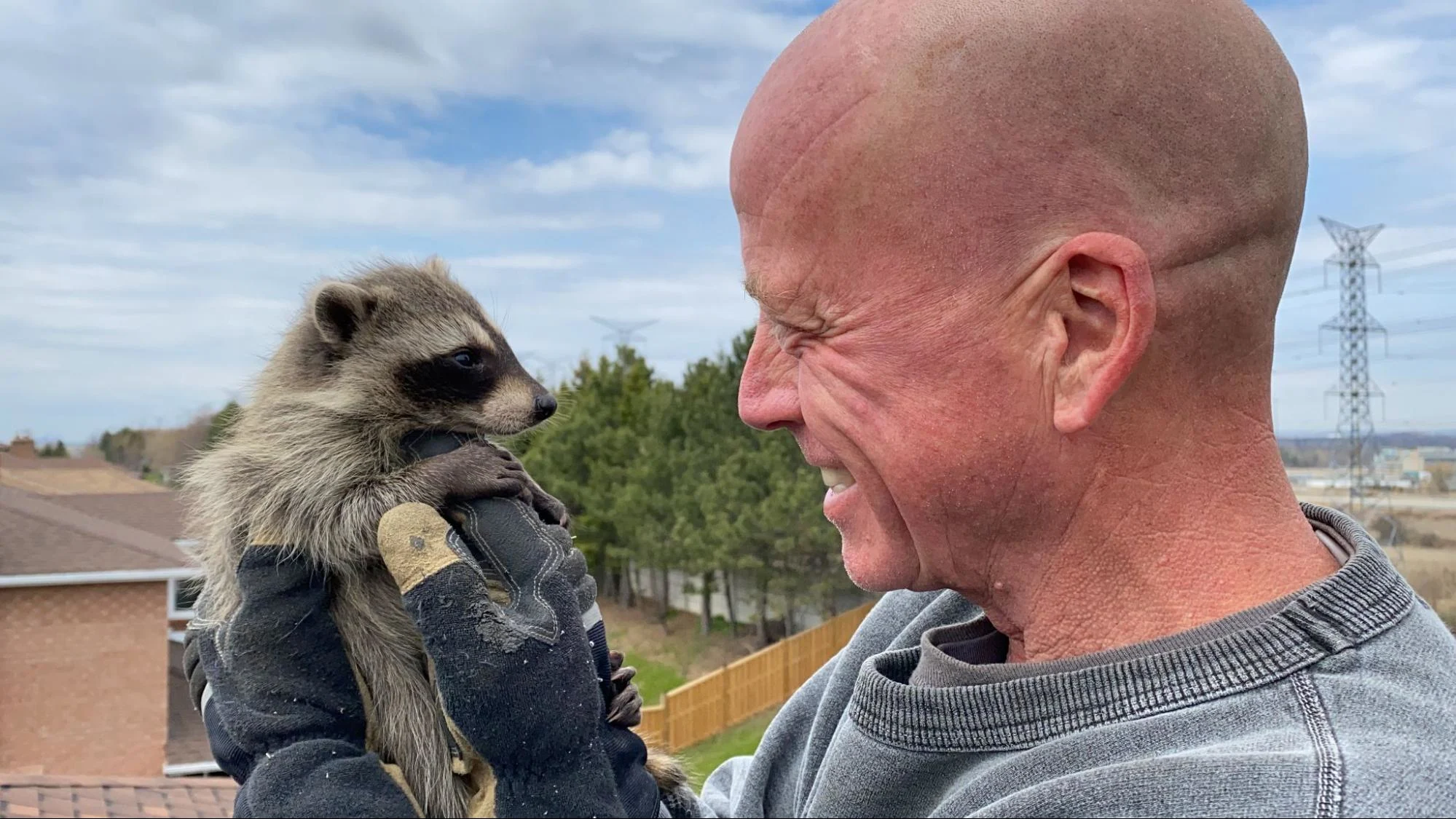
Caring deeply about animals has shaped every part of how the team operates. “We’re not just a trapping company,” Brad Gates said. They focus on reuniting families whenever possible, striving to avoid situations where young animals can wind up stranded away from their mothers.
RELATED: From foe to friend: How to change perceptions of ‘nuisance’ wildlife
He also wants people to understand that these animals aren’t invading out of malice. In many cases, shrinking green spaces and expanding urban development leave wildlife with fewer safe options.
Wildlife experts say that trying to remove animals yourself can be dangerous, both for homeowners and for the animals involved. Doing it yourself can risk accidents or injuries for everyone involved.
The Gates team says homeowners looking for wildlife help should ask questions about humane practices before hiring a company, including whether technicians check carefully for babies, reunite families, use heated reunion boxes when necessary, and avoid harmful trapping or relocation practices.
How to keep wildlife out of your home
Prevention starts outside. Gates says there are several ways homeowners can make properties less attractive to urban wildlife.
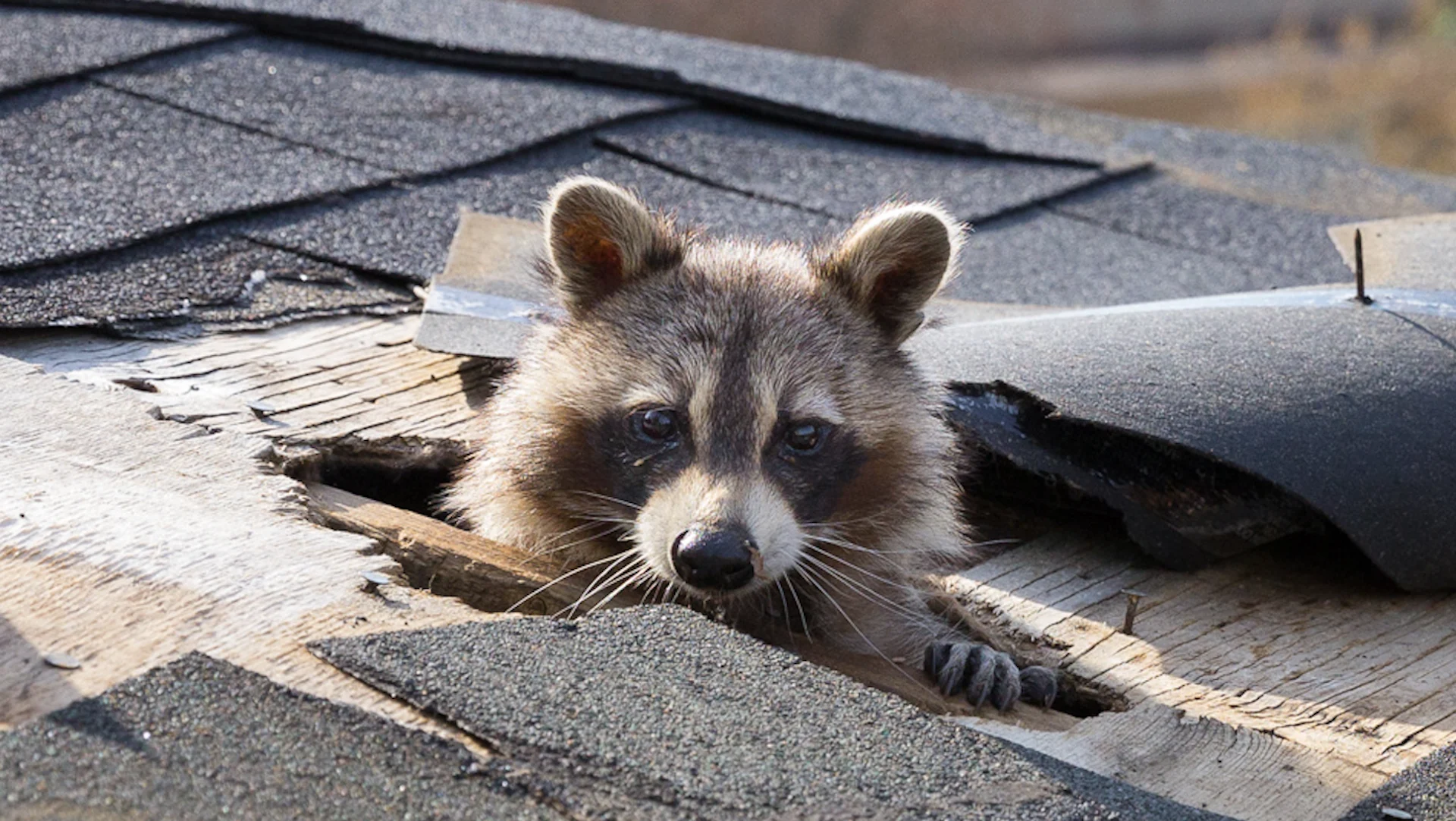
This includes securing garbage and compost bins, trimming vegetation, regularly inspecting roofs, replacing flimsy plastic roof vents, and avoiding the creation of dark, enclosed spaces where animals tend to seek shelter.