
PC Guide is reader-supported. When you buy through links on our site, we may earn an affiliate commission. Read More
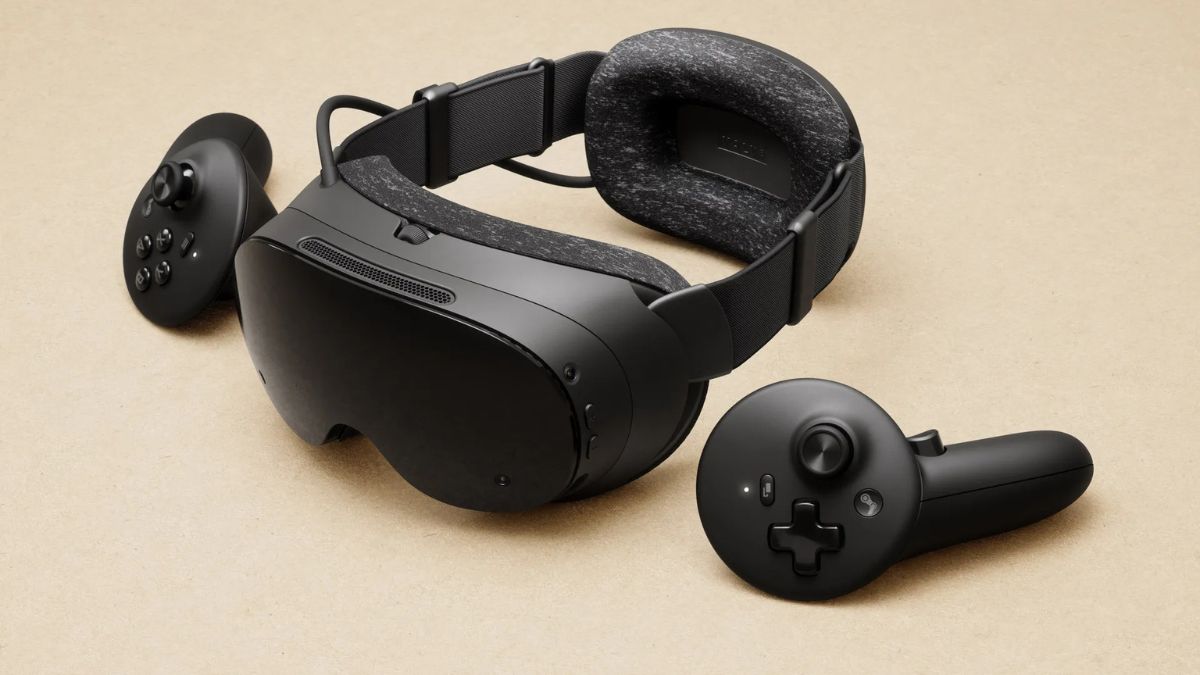
Qualcomm now features the upcoming Steam Frame on its website. The Frame is fitted with Qualcomm’s Snapdragon 8 Gen 3 processor, which it claims will “deliver flagship class performance for immersive VR gaming experiences”. Valve’s new VR headset still doesn’t have an official release date or price, though everything seems to point towards it launching soon.
While its appearance under Qualcomm’s Device Finder tool doesn’t guarantee anything, it does feel like we’re one small step closer to its release. Steam Tracking data leaked online a few days ago also suggests that the Steam Frame is just around the corner. With the Steam Machine, the headset is expected to get the same reservation-style program as the Steam Controller.
Steam Frame is designed to work well as a standalone device
As the successor – but not direct sequel – to the Valve Index, the Steam Frame is all about providing a solid standalone experience, and that’s exactly what the Snapdragon chip will provide. The Index does not work standalone and has to be wired up to your PC. In contrast, the Steam Frame will provide “wireless, comfortable, lightweight VR for your Steam library” and ships with two controllers, which are also suitable for non-VR games with all the controls you require crammed in.
Qualcomm says its Snapdragon chip will offer “advanced CPU and GPU performance” – and there should be no doubts about that, based on what we’ve seen in Valve’s previews and early hands-on reports so far. In fact, Valve says that the “streaming-first” headset should still run Half-Life Alyx standalone, which should excite VR gamers looking to play without an external PC.
 Source: Qualcomm
4nm Snapdragon 8 Gen 3
ARM64 architecture
16GB Unified LPDDR5X RAM
SteamOS 3 (Arch-based), KDE Plasma desktop
Since it’s using a Snapdragon chip, the Steam Frame runs on ARM architecture. Valve has been funding the development of the FEX emulator that is designed to run Windows apps & games on ARM Linux devices like the Steam Frame. As you can see above, SteamOS runs natively on the device (and is based on Linux, if you didn’t already know). Likewise, Valve is developing a compatibility layer to run Android games on Linux, which will come in handy for Meta Quest-focused games.
All in all, we’re getting ever-closer to the Steam Frame launch, which so far has been plagued by memory shortage-related delays. In an FAQ from back in February, Valve said it still plans to launch its three new pieces of hardware in the first half of the year. So far, only the Steam Controller has been shipped (on May 4), while the Machine and Frame remain in waiting.