

The federal government is rewarding eight municipalities in New Brunswick that got on board with a national housing program by handing them money clawed back from communities that didn’t play ball.
Ottawa announced Wednesday that the eight communities, including Moncton, Riverview, Caraquet, and Edmundston, will get a total of $2.9 million in additional money from the Housing Accelerator Fund.
They’re among 32 recipients of additional new funding nationwide.
The biggest single New Brunswick beneficiary is the town of Riverview, which will receive an extra $492,000 to support land purchases for affordable housing and a strategic plan for neighbourhood growth in the Bridgedale-Gunningsville-Robertson area.
The initial $4.9 million for Riverview in 2024 financed eight initiatives, said Shanel Akerley, the town’s economic development manager.
With the accelerator fund support, “we’re really excited to move forward with those two additional projects.”
The municipality added 444 new housing units in 2024 and another 441 in 2025, she said, calling it “clear momentum driven by our Housing Accelerator Fund partnership” as well as local developers.
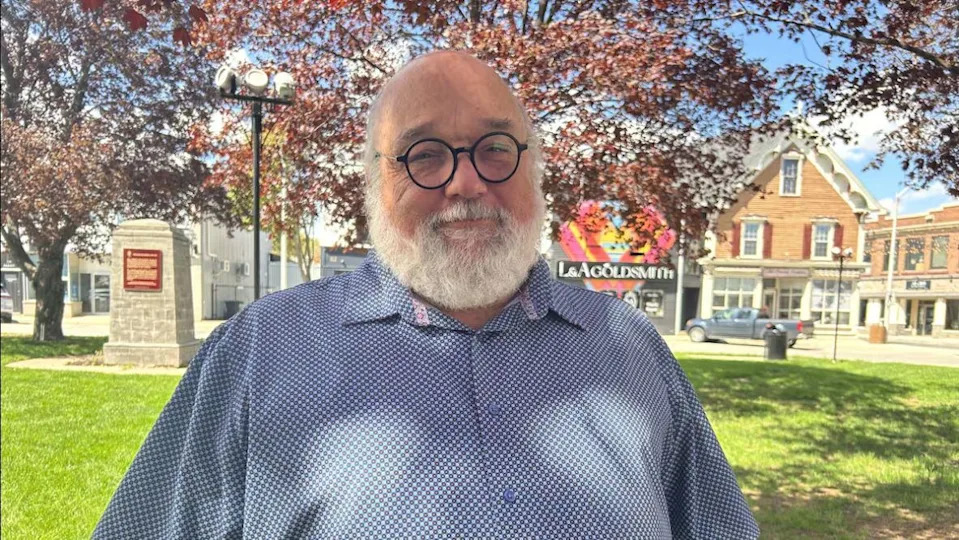
Paul McGraw, economic development officer for the City of Miramichi, said many people were opposed to having four-unit buildings in a single-family residential area. (Babatundé Lawani/Radio-Canada)
The federal program, announced in 2023, was designed to support new housing units, but it required municipalities to adopt zoning amendments and other changes that would remove obstacles that slow construction.
That included allowing the building of four-unit apartment buildings in existing residential neighbourhoods to increase housing density.
Miramichi recently saw its $3.1 million accelerator funding clawed back by Ottawa because its council refused to adopt the zoning changes for four-unit buildings.
“Most people were opposed to having four units in a normally single-family residential area because it was affecting our way of life,” the city’s economic development officer, Paul McGraw, said last week on CBC’s Information Morning Moncton.
“You know, we enjoy the option of having your neighbour not stuck 10 feet away from you.”
The other New Brunswick municipality that lost funding was Tracadie.
Its second annual payment under the program was cut in half after a report showed “a significant delay in action plan progress,” according to Canada Mortgage and Housing Corporation spokesperson David Harris.
The municipality lost $309,439.
“Tracadie has recognized their first-year challenges and committed to improving over the course of the second year,” the report said.
The full list of municipalities getting extra funding are:
Grand-Bouctouche, $320,000.
“To have been eligible for additional funds, the community must have been on track with action plan and exceeding unit forecasts — something each of these communities has done,” Harris said in an email.
“All communities had to add new housing initiatives to their existing agreements, and they all have until the end of the program to meet the entirety of their commitments, including the new initiatives and targets associated to the additional outcomes funding.”