
NEED TO KNOW
The northern lights may be visible across parts of the northern U.S. and Canada over the next few nights
Minor geomagnetic storm conditions are expected, with a slight chance of stronger activity enhancing auroral displays
Dark skies and rural areas offer the best viewing opportunities, especially between 10 p.m. and 2 a.m. local time
Stop scrolling and look up tonight!
The northern lights could make a surprise cameo over the next few nights as space weather forecasters track possible impacts from coronal mass ejections (CMEs) launched by the sun last week.
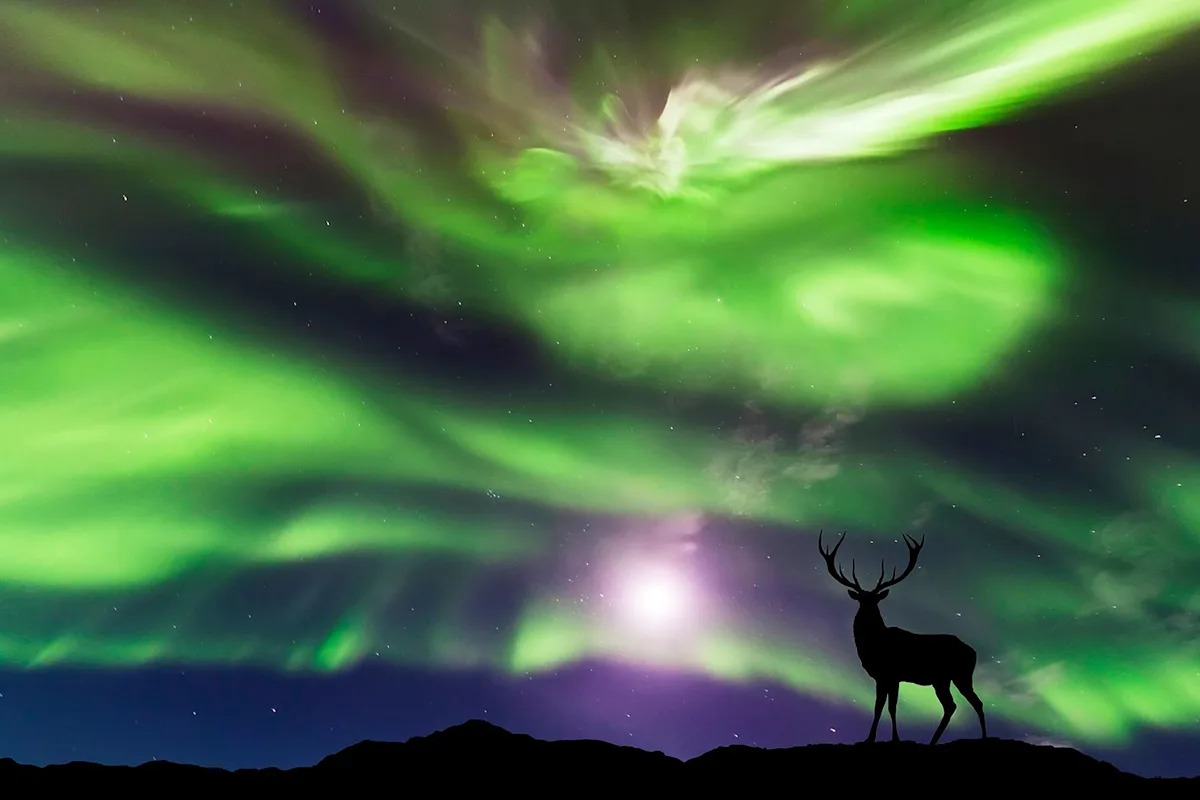
For reference, the northern lights (aurora borealis) are a result of geomagnetic storms, which occur when charged particles from the sun collide with gases in the Earth’s atmosphere, creating brilliant waves of light in the sky.
Still, their visibility depends on several factors, including intensity and location.
While scientists don’t expect a major geomagnetic storm, even a glancing interaction between these bursts of solar material and Earth’s magnetic field could be enough to ignite auroras across parts of the northern U.S. and Canada.
A late-night walk or adventurous drive might actually be worth it tonight.
According to the NOAA Space Weather Prediction Center, minor G1 geomagnetic storm conditions are possible through Monday, May 18, and Tuesday, May 19, with a slight chance of stronger G2-level activity if any of the solar material clips Earth’s magnetic field.
In NOAA’s latest forecast discussion, forecasters noted that “a bulk of the material should pass just north of Earth,” though enough could still interact with the planet to enhance auroral activity.
In the meantime, read on for how, when and where to catch a glimpse of the northern lights.
When will the northern lights be visible?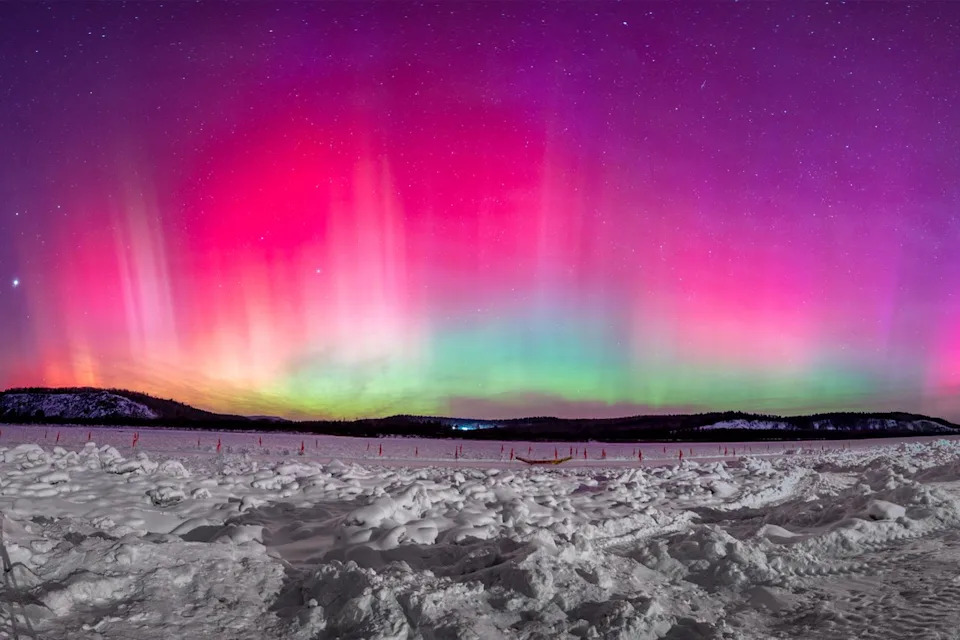
Aurora borealis
Credit: Chi Shiyong/VCG via Getty
The best chances to spot the aurora are expected overnight on Monday, May 18, into Tuesday, May 19, and again late Tuesday, May 19, into early Wednesday, May 20, particularly during the darkest hours between roughly 10 p.m. and 2 a.m. local time.
Auroras are typically strongest closer to midnight, when Earth’s magnetic field is most favorably aligned with incoming solar particles.
Forecasters say geomagnetic activity could intensify if any of the incoming coronal mass ejections — massive bursts of magnetized plasma launched from the sun — brush past Earth over the next 24 to 48 hours.
Where will the northern lights be visible?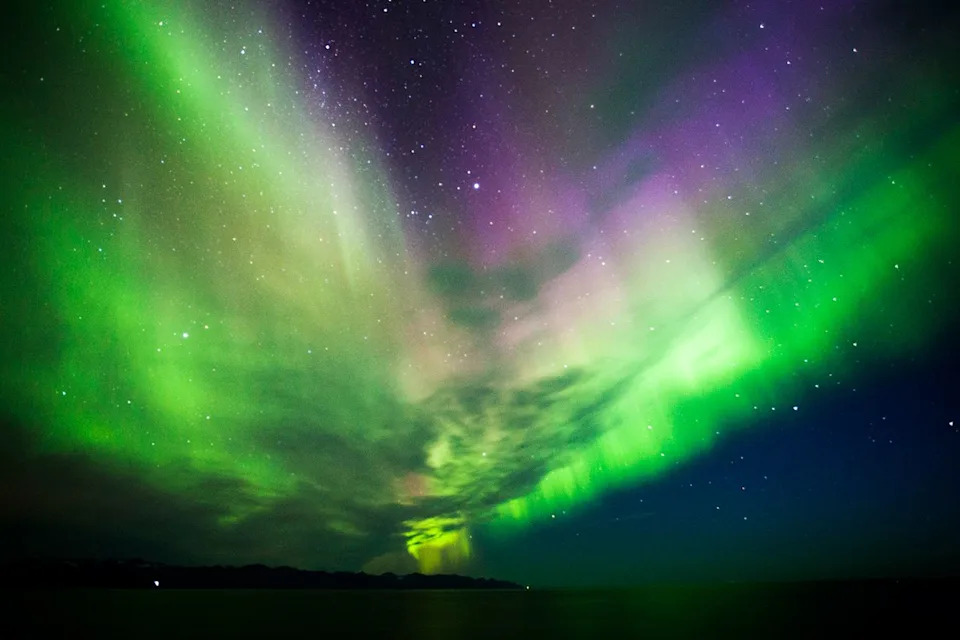
Northern Lights
Credit: Getty
If conditions strengthen enough, the aurora may become visible across parts of the northern United States, including states near the Canadian border such as Montana, North Dakota, Minnesota, Wisconsin, Michigan and Maine.
While visibility farther south is less likely, stronger geomagnetic fluctuations can occasionally push the aurora farther down than forecast, especially in rural areas with dark skies and minimal light pollution. Basically, the darker your surroundings, the better your chances.
How to watch the northern lights?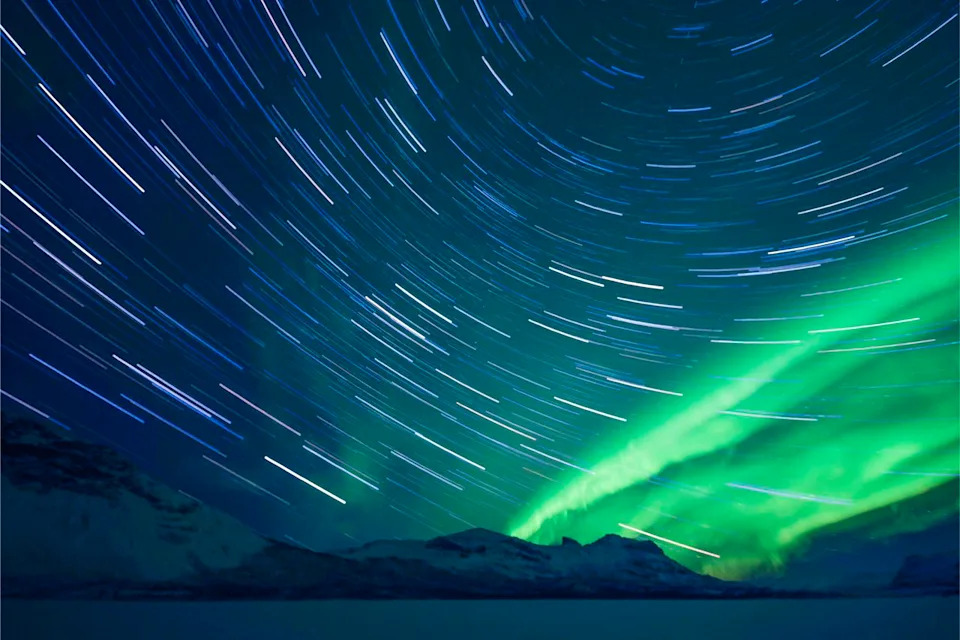
Northern lights
Credit: Getty
First things first: get away from city lights! Auroras are surprisingly faint to the naked eye at first, especially during weaker geomagnetic storms, so dark skies make a huge difference.
Patience matters, too! After all, auroral activity can fluctuate quickly, sometimes appearing as a faint glow before suddenly erupting into visible ribbons or waves of green light.
Remember to also keep tabs on real-time conditions using NOAA’s 30-minute aurora forecast and space-weather apps that track solar wind and magnetic field changes.
How to photograph the northern lights?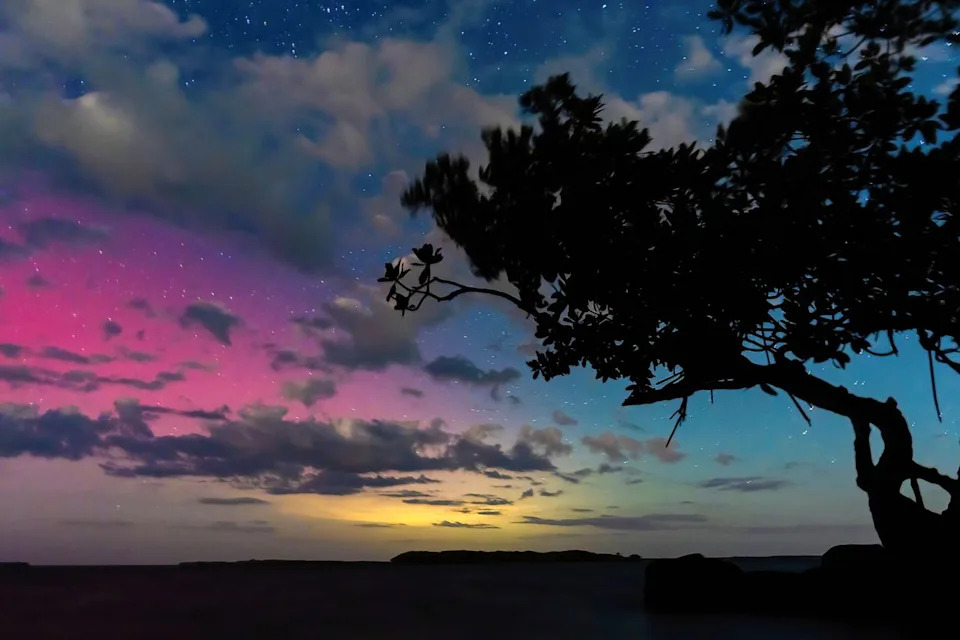
The Northern Lights
Credit: Jen Golbeck/SOPA Images/LightRocket via Getty
Did you know that your smartphone camera might actually capture the aurora better than your eyes can during weaker storms?
If you’re using a smartphone device, switch to night mode or long exposure mode and hold the camera as still as possible — ideally with a tripod or by propping it against something stable. You’ll want to keep your setup as steady as possible, since the auroras are best captured with long exposures.
All you have to do is head to your device’s settings and tap the “Night Mode” option or “Pro Mode,” which offers similar exposure times.
Read the original article on People